 Abstract:
Between 1500 and 1800, Spaniards and their Native allies captured hundreds of Apache Indians and members of neighboring groups from the Rio Grande River Basin and subjected them to a variety of fates. They bought and sold some captives as slaves, exiled others as prisoners of war to central Mexico and Cuba, and forcibly moved others to mines, towns, and haciendas as paid or unpaid laborers. Though warfare and captive exchange predated the arrival of Europeans to North America, the three centuries following contact witnessed the development of new practices of violence and captivity in the North American West fueled by Euroamericans’ interest in Native territory and labor, on the one hand, and the dispersal of new technologies like horses and guns to American Indian groups, on the other. While at times subject to an enslavement and property status resembling chattel slavery, Native peoples of the Greater Rio Grande often experienced captivities and forced migrations fueled more by the interests of empires and nation-states in their territory and sovereignty than by markets in human labor. Uncovering these dynamics of captivity and their effects on Apachean groups and their neighbors serves to better integrate American Indian and Borderlands histories into central narratives of colonial North American scholarship.
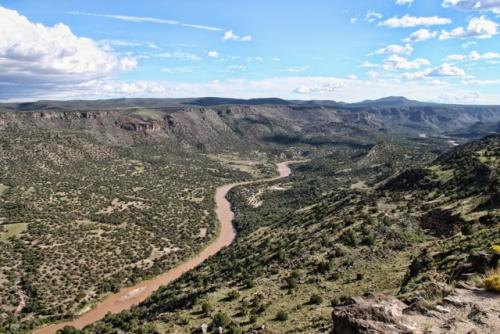
Contemporary view of the Rio Grande, New Mexico.
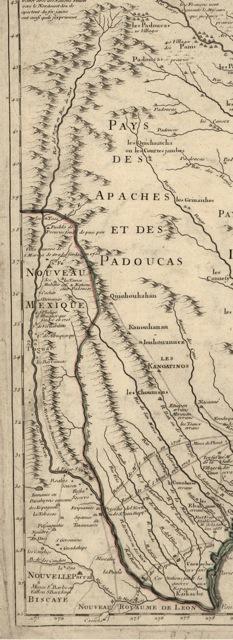
Map of the Rio Grande River in 1718.
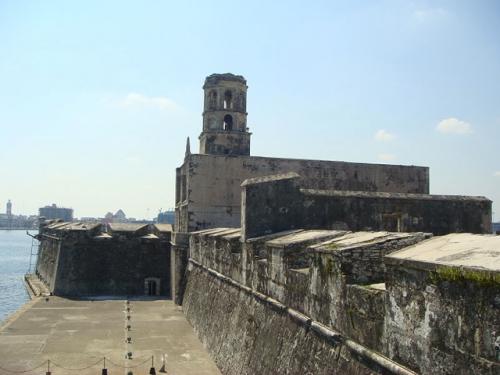
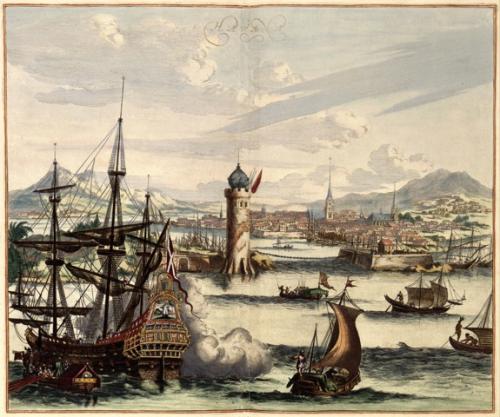
Castle of San Juan de Ulua (Veracruz, Mexico) where Native captives were housed en route to Cuba.
About Paul Conrad:
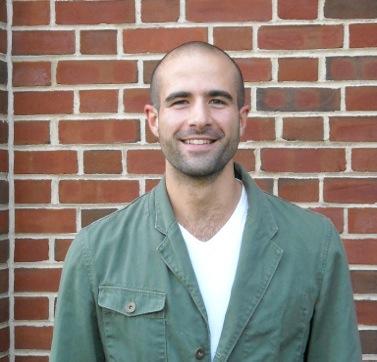
Paul Conrad is currently an Assistant Professor of History at Colorado State University-Pueblo. He will spend the 2012-2013 academic year at the Clements Center for Southwest Studies at Southern Methodist University, where he has received a research fellowship to work on revising his dissertation into a book manuscript.
Photo credits:
All photos courtesy of Wikimedia Commons.
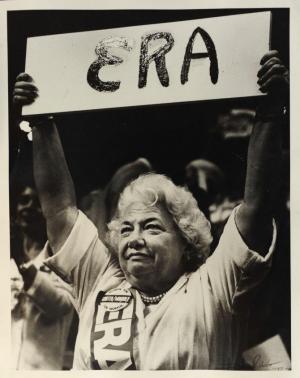
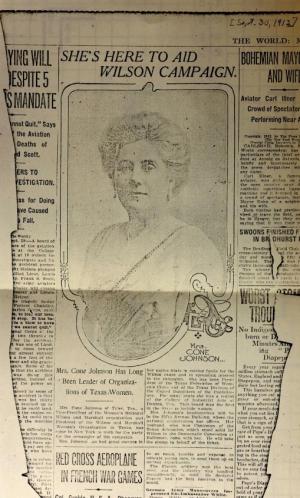 Another great aunt, the prominent suffragist, Birdie Johnson, became the first Democratic national committeewoman from Texas. As she exhorted women to organize to make their influence felt at the polls, she declared that it was “our first step” in the exercise of “direct political power.” No wonder Liz believed that she had inherited her feminist genes.
 It also instilled a love of Texas history and a respect for its historians, which is why
 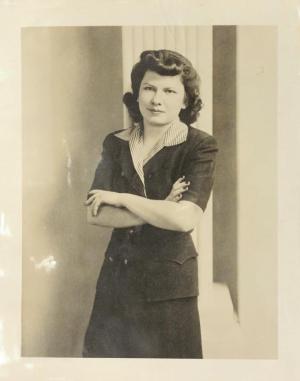 When Liz made a courtesy call on her congressman, she discovered that his wife was running the office while he was overseas. It was that visit that introduced Liz Carpenter to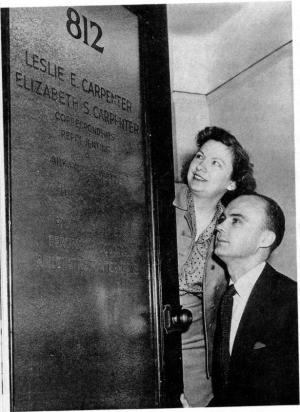
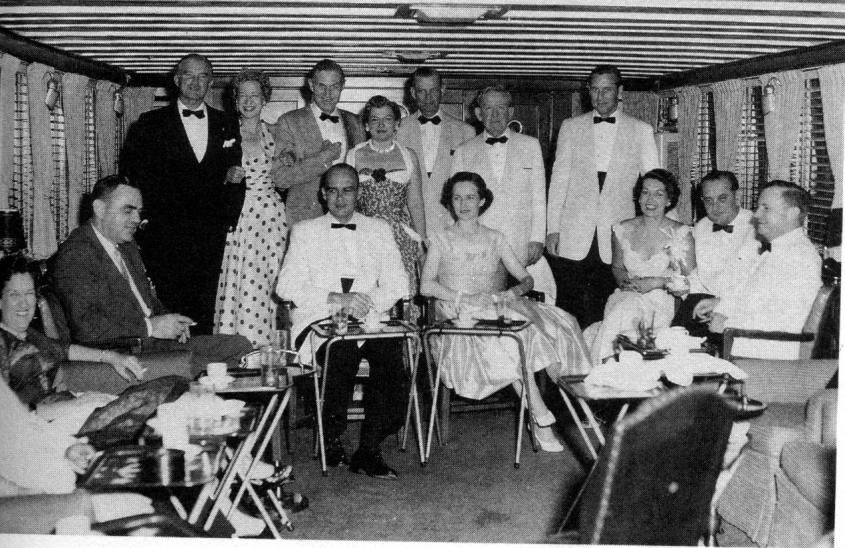
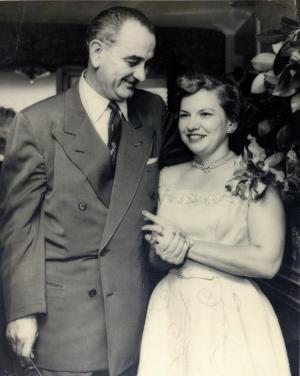 Clark and Libbie Moody Thompson entertained Texans so often that their elegant home became known as the Texas Embassy. And on countless Sundays, the four Carpenters–Liz, Les, Scott, and Christy—would spend the afternoons, at the Johnson home with Speaker Rayburn, other members of Texas congressional delegation, and the Texas press and their families. The topic of discussion was always politics. What an extraordinary postgraduate education these afternoons must have been!