• Features
  • Reviews
  • Teaching
  • Watch & Listen
  • About

The past is never dead. It's not even past

Not Even Past

Beyond the Archive: Digital Histories and New Perceptions of the Past

Banner for Beyond the Archive: Digital Histories and New Perceptions of the Past

This article is part of the series: History beyond Academia

History is often considered a solitary and insular discipline. Popular conceptions of historians include people holed up in dusty archives, writing in academic jargon, and going on long tangents about a subject that only they care about. In other words, academic history is written by historians, for historians. While some of these stereotypes persist, the advent of new digital technologies has made it both easier and more necessary than ever to produce accessible and engaging historical scholarship for audiences at all levels of expertise. Additionally, digital technologies allow historians to communicate their research using different strategies, not solely relying on the written word to convey information. In this piece, I reflect on my work in digital history, examining the strategies and methods used by the projects I’ve helped develop to make history more accessible to public audiences. I hope that this will spark ideas among professional and casual historians alike in understanding the necessity of moving towards a more connected and welcoming field, and that digital tools and methodologies are one of the options in making this happen. 

I came to the world of digital history through the “digital” side. I had spent my first undergraduate year as a computer science major, but after completing a summer internship as a software developer, I realized that I was missing the humanities in my life. While I wasn’t yet ready to commit to being a historian as a career, I sought out ways that I could involve myself with the History department on campus. Luckily, The Nonviolence Project, a project run by Dr. Mou Banerjee, centering undergraduate research on nonviolent people and protests, was hiring a web designer. This was the first of many digital history projects I would later join. Through this experience and the ones that followed, I learned many lessons not only about how digital methods help communicate history, but also how they enhance the discipline of history.
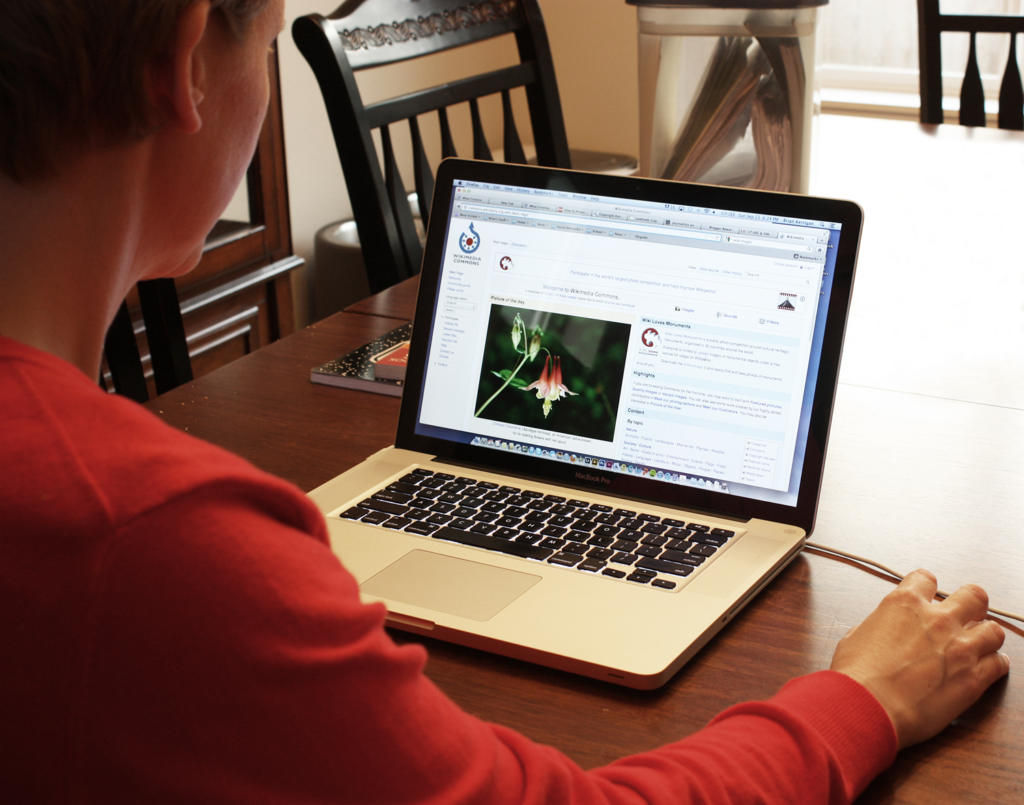
Woman using computer

Woman using computer. Source: Wikimedia Commons

Learning Outside of Books

One of the key strengths of digital history is its ability to engage different types of learners. Not everyone learns and internalizes information through reading alone; for many, interactive or visual forms of presentation are more effective, bringing history into a digital landscape. Many digital history projects are exploring these new tactics for sharing history, since a website or other digital platform is more conducive to these alternate methods of learning than a typical published book. Three projects that I’ve worked on come to mind when I think about the wide variety of ways that history can be made interactive. These forms encourage a broader and more expansive understanding of the past, and demonstrate how historical stories can be communicated in the present.

The Nonviolence Project is such a platform, where student researchers write articles about the history of nonviolence while sharing more nonconventional forms of history. The home page has an interactive map with markers for the different articles hosted on the site. This map allows someone to visually see the regions where nonviolence has made a significant impact. Also highlighted on the website is a playlist that a student made containing “songs relevant to nonviolent protests and movements.” Songs often create a more immediate emotional connection to a subject than typical prose does, so including songs inspired by nonviolence is an innovative way to connect to a wider audience. These types of unconventional ways of sharing history and historical knowledge make the subject more intriguing for people who might be disinclined to simply read history. 

More recently, I’ve worked with Virtual Angkor, a project based out of Monash University, Australia, that seeks to virtually model the Angkor Wat complex and its surrounding landscape during its thirteenth-century heyday. Along with a comprehensive model, the team creates “scenes” meant to visually and auditorily depict the setting. Each part of the scene is painstakingly modeled by hand and thus has a specific purpose for being included. By analyzing and investigating the scene, users, students, and the public alike can learn about what Angkor might have looked like and sounded like as the people living there would have experienced it. Once again, this method of conveying information is both more engaging and more approachable to a wider group of people than a typical book or article might be, allowing for an immersive way of “experiencing” history. 
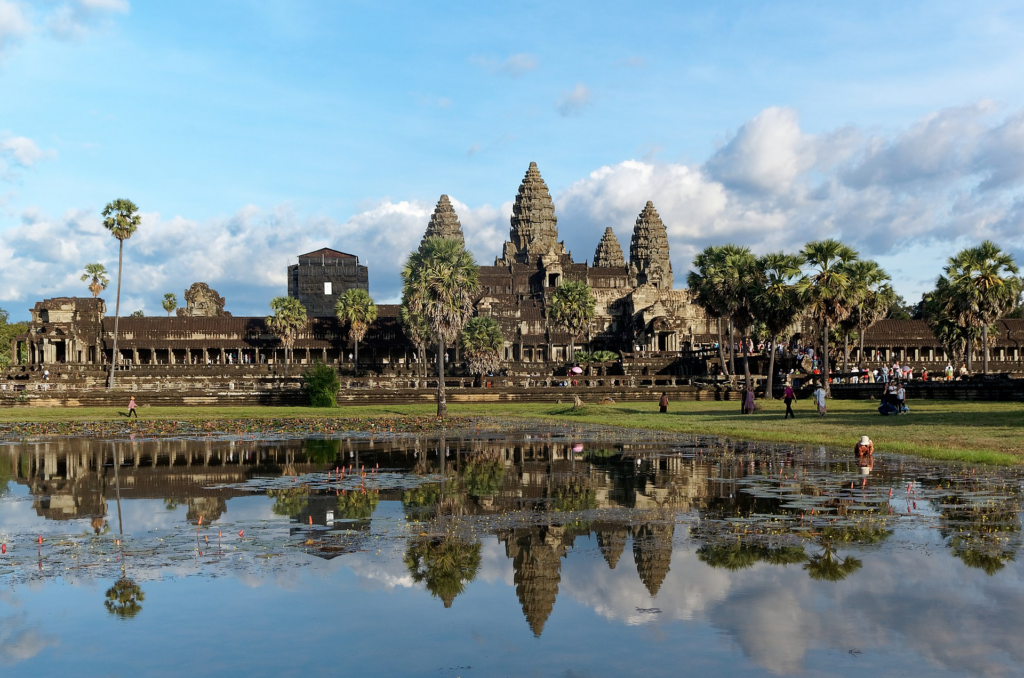
View of the central structure of Angkor Wat, with a body of water in the middle.

View of the central structure of Angkor Wat. Source: Wikimedia Commons

Currently, I am in the process of creating a history-based video game in collaboration with the University of Texas’s JapanLab and the History Games Initiative. In this game, the player acts as an Afrodescendant healer in the booming port environment of seventeenth-century Cartagena de Indias, exploring the city, interacting with clients, and trying to avoid the Inquisition, which demonized African ancestral forms of healing as witchcraft. This was my first experience leading a team on a digital scholarship project. At times, it was difficult to ensure that everyone was on the same page. Some students came to the team with a stronger historical understanding of the setting and occasionally assumed knowledge that the team needed to unpack together. Despite these challenges, it has been one of the most fulfilling projects I’ve had the opportunity to work on. This project also helped our team understand what it means to work on an interdisciplinary team, pulling on each member’s strengths and finishing with a complete video game. Conveying this important era of history as a video game will allow for more people to engage with it, and hopefully, it will spark further interest. 

Accessible History

Beyond making history more engaging, digital history also leads the discipline to be more accessible in general. Since these projects are publicly accessible, often hosted on the web, more people can discover them outside of an institutional setting. Beyond this, communicating history online widens the audience to those who are unable to read more traditional histories in books. Generally, books are made to be consumed through reading, in one language, and can only be read after purchasing. While there are exceptions to this—such as access through audiobooks, translated volumes, and renting through a library—not every work of history will be available through the above ways. Digital access allows historical knowledge to be communicated auditorily through videos or a screen reader, web accessibility standards ensure that website content is available to people who might be disabled, the text can be translated (though imperfectly) through built-in browser functions, and are generally free to access on the Internet. Additionally, the language used in digital history is often more accessible, written for a public audience rather than academics, lowering the barrier of entry for anyone interested in the subject.

The Nonviolence Project comes to mind when thinking about accessible history. This project is somewhat unique in terms of historical research because it employs undergraduate students interested in writing their own original research, which is published on a public-facing platform. Part of my job duties was to edit these articles as they came in, not only for grammar but also for clarity. I learned how important it is to keep language accessible, especially when the audience is the public.  Beyond this, I also used more traditional web development standards to ensure the site was accessible on the back end, including alt text in images and using headings in the proper order. Such edits make sure that the site is compatible with screen readers that the visually impaired use to navigate the site.  

Another benefit of digital history compared to more traditional forms of communicating history is that it allows for different “levels” of communication. When reading a book or article, there is usually only one way to read it: from beginning to end. However, through digital history, the same project can offer different levels of engagement. At Virtual Angkor, lesson plans are divided into three different levels based on the amount of engagement offered at each one. The first level is what one would see embedded on the site: videos, a small amount of text, and a few questions asking the user to analyze the video. The user would get the big picture of what the module is trying to convey, but doesn’t necessarily have to dig deeper. The second level contains reading excerpts from books and articles about the topic written by historians, anthropologists, and other experts on the subject for further analysis and offers more in-depth comprehension and evaluation questions. Finally, the third and most in-depth level contains a full reading list, offering the most comprehensive view of the subject evaluated in the module. The user is able to choose their own path based on their own level of interest and their own comprehension skills of the subject at hand. In this way, more people can productively interact with the site. Users are in charge of how they want to learn, and the website meets them where they are at.

Digital History to Counter (Inaccurate) Pop History 

Creating innovative, interactive, and accessible ways of telling history is especially important when there are other, less-than-accurate representations of that same period. The Colombian television show Siempre bruja is set during the same time period as the video game I worked to develop, but does not go into depth on how the Inquisition worked to target African and Indigenous healing practices and instead represented them as real-life magic. The television show is problematic for other reasons, including portraying the main character, Carmen,  in a (seemingly consensual) romantic relationship with her enslaver, Cristóbal. Because audiences may be drawn to the show for its entertainment value while assuming it conveys historical insight, it is especially important to provide similarly accessible, but more accurate, ways of presenting this history.
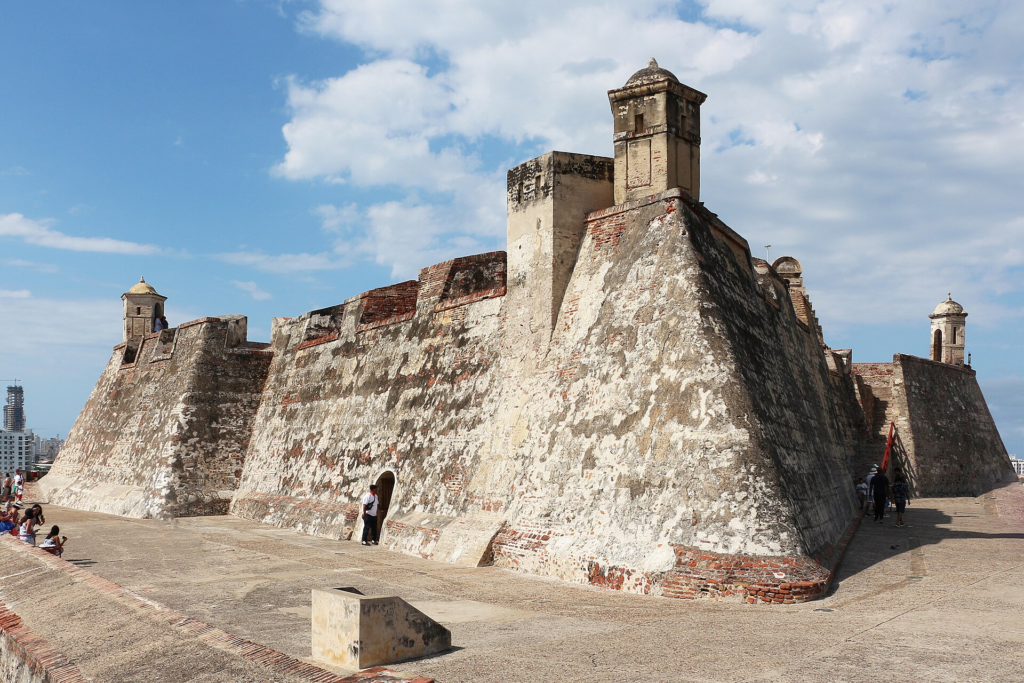
Colonial structure: Castillo San Felipe de Barajas in Cartagena, Colombia

Castillo San Felipe de Barajas in Cartagena, Colombia. Source: Wikimedia Commons

While Siempre bruja was far from a pop culture phenomenon, it is likely some people’s only exposure to that period in history. For many years, historians have debated whether they have a responsibility to intervene when an inaccurate or harmful narrative becomes entrenched in society. While there are many different positions on this debate, a possible intervention in digital history can be to offer more accurate but still engaging historical narratives that the public can seek out in addition to written forms of history.

Conclusions

Taken together, these examples illustrate how digital history expands both scholarly practice and public engagement. Through seemingly endless techniques, a project can take any number of forms. Existing projects, such as The Nonviolence Project, Virtual Angkor, the JapanLab, and History Games Initiative, can all act as models for what the future of digital scholarship might look like; histories that allow learners to more deeply integrate themselves into the area and period which they represent. Some projects even go a step further—literally recreating the past for people in the present to explore and experience. 

History is not only for academics—it is for everyone. No longer are historical narratives written by historians, for historians. Instead of alone in a dusty archive, a digital historian might be frequently found in front of a computer, putting the finishing touches on a publicly accessible website, designing a virtual model of an ancient city, or meeting with a team to create a more interactive way of communicating a subject. 


Chloe Foor is a Phd student in History at the University of Texas at Austin. Her current project focuses on how physical spaces impacted gendered, racial, and religious identities in the New Kingdom of Granada in the seventeenth century, as well as how historical actors manipulated those identities to claim space for themselves. Currently, she is working with the JapanLab/History Games Initiative to develop a video game highlighting Cartagena Inquisition’s witchcraft trials during the early seventeenth century.


The views and opinions expressed in this article or video are those of the individual author(s) or presenter(s) and do not necessarily reflect the policy or views of the editors at Not Even Past, the UT Department of History, the University of Texas at Austin, or the UT System Board of Regents. Not Even Past is an online public history magazine rather than a peer-reviewed academic journal. While we make efforts to ensure that factual information in articles was obtained from reliable sources, Not Even Past is not responsible for any errors or omissions.
Historia, ¿para quién? desde la radio pública en México

Este artículo es parte de la serie: History Beyond Academia

This article has an English version

Historia ¿para quién? es el resultado de una conversación sostenida durante varios años entre historiadoras jóvenes y una comunicadora interesadas en llevar la reflexión histórica al día a día. Desde el inicio, el planteamiento principal fue cómo traducir temas complejos —tanto históricos como coyunturales— en contenidos claros, cercanos y comprensibles para audiencias muy diversas dentro de los medios públicos en México. 

Después de la pandemia de coronavirus, se abrieron oportunidades para llevar al plano terrenal las ideas surgidas de las conversaciones. Gracias a la generosidad y complicidad de muchas compañeras, pudimos experimentar con distintos formatos y en diversos medios públicos, a los que nos abrió la puerta el Instituto Nacional de Estudios Históricos de las Revoluciones de México (INEHRM). 

En ese sentido consideramos a Historia ¿para quién?, un fruto del trabajo colaborativo entre mujeres dedicadas a las ciencias sociales y la comunicación, entre las que podemos enunciar a María Minero, Fernanda Nares, Guadalupe Muro, Ana Salinas y Jehiely Hernández, de quienes hemos aprendido y con quienes hemos tenido el privilegio de trabajar. 

También es un proyecto emanado de la administración pública federal, pues depende del financiamiento de la Secretaría de Cultura a  través del INEHRM, así como de la producción, soporte y emisión de Radio Educación. Esto significa que atiende al derecho al acceso a la cultura y por ello los contenidos requieren la validación del instituto, lo cual, vale decir, no ha supuesto una limitante para la expresión de ideas ni la selección de temas; por el contrario, el respaldo institucional nos ha permitido conectar con múltiples especialistas, conversar con personas encargadas de acervos poco conocidos y dar visibilidad a proyectos independientes que están haciendo mucho por la preservación y difusión de la memoria histórica.  

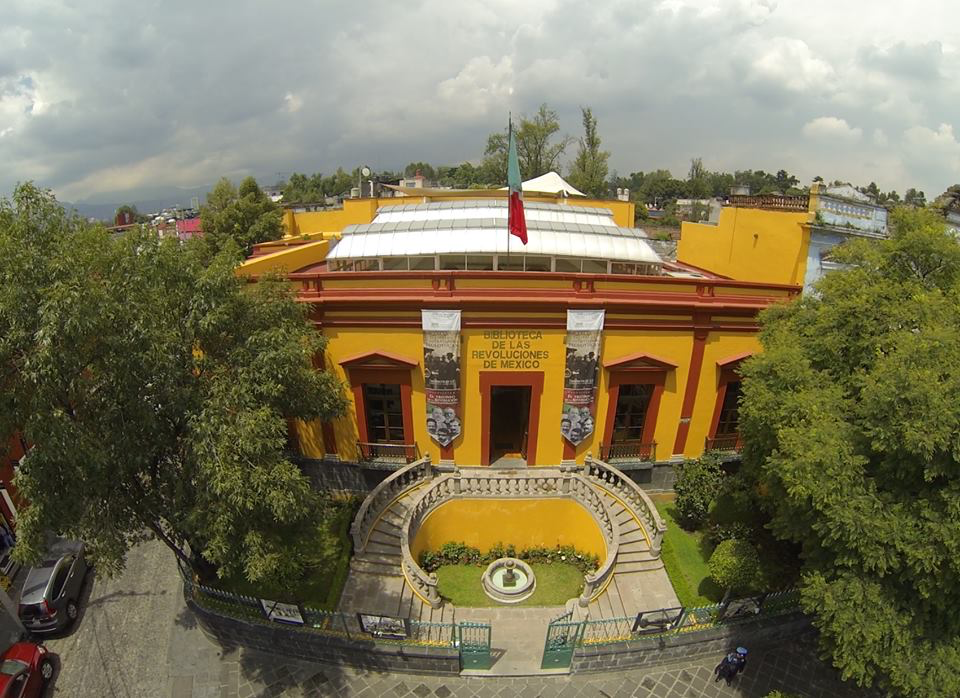
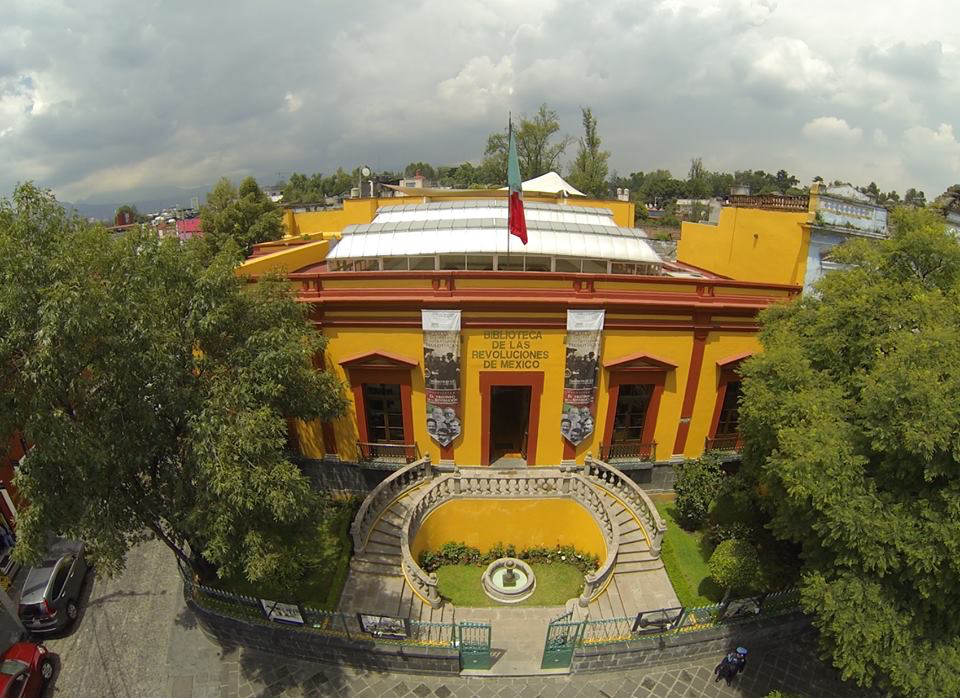
Edificio del INEHRM.

Sede del INEHRM. Fuente: Wikimedia Commons

Las encargadas de materializar este proyecto fuimos las autoras de este texto: Natalia Luna y Tamara Aranda. El Dr. Felipe Ávila, director del INEHRM, y la Mtra. Jimena Salgado, directora de vinculación del instituto, pusieron su confianza en nosotras para esta enorme y muy importante tarea. Y fue así como, aferradas al planteamiento inicial, decidimos que el programa se llamara Historia, ¿para quién?, pues en este nombre se resume lo que más nos interesa a ambas: colocar a las audiencias, sus intereses y derechos, al centro de la conversación. Esto era sobre democratizar el conocimiento histórico hasta sus últimas consecuencias. 

Luego vino la planeación del formato, y para atender a nuestros objetivos, decidimos suscribirnos a la entrevista especializada, aunque con un tono cálido y afable, e incluir un segmento de contexto histórico y otro de sondeo, dándole la voz a las audiencias para que se expresen sobre cada tema. También añadimos una canción inspirada en la conversación y una ronda de preguntas relámpago, para dar dinamismo a la entrevista y forzar a las y los especialistas a “ir al punto”. 

Conducimos Tamara Aranda, historiadora e investigadora del INEHRM, y Natalia Luna, comunicadora con más de una década de trabajo en medios públicos. En este proyecto encontramos varios puntos en común, que iban de intereses personales —que también son políticos— a la necesidad de explicarlos y debatirlos a partir de miradas históricas, y gracias a la colaboración y coproducción entre el INEHRM y Radio Educación —una emisora centenaria en el cuadrante radiofónico— se abrió un espacio de 55 minutos para desarrollarnos.

Nos preguntamos cuáles eran las propuestas actuales para comunicar historia y por qué existían tan pocos espacios dedicados a la divulgación histórica con un lenguaje más coloquial, con perspectiva de género, incluyente y dispuesto a salir de los márgenes de la “Historia con H mayúscula”, para dejar entrar a la cultura popular en las narrativas sobre el pasado.

También nos interesamos en invitar a las, los y les especialistas jóvenes (y no tan jóvenes) cuyos proyectos, investigaciones y saberes trascienden los muros de la academia. Creemos que los medios y, en particular, la radio pública tienen la obligación de abrir espacios para difundir conocimiento y ofrecer herramientas a audiencias con derechos muy concretos: entender, cuestionar y discernir mejor la realidad que nos rodea. Al final, todas, todos y todes somos audiencias.

El trabajo cotidiano de Historia, ¿para quién? se sostiene en la curiosidad, el asombro y la disposición. Muchas veces reaccionamos a nuestra propia vida: a las personas que conocemos, los temas que descubrimos, los coloquios y conferencias a los que asistimos. De ahí surgen las ideas que después se convierten en programas.

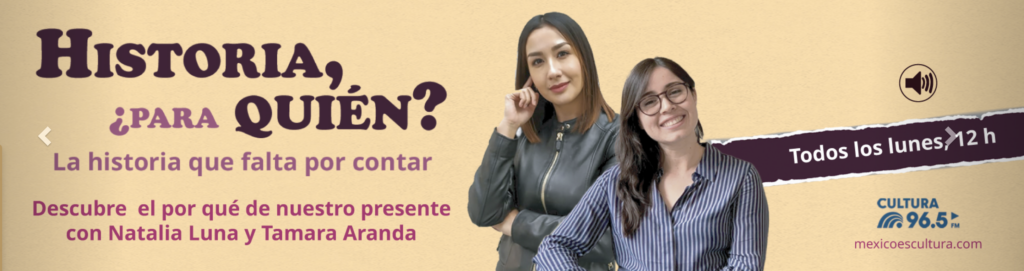
Banner promocional

Banner promocional.

Contamos con un listado de temas por abordar y con una serie de recursos sonoros para “vestir” el espacio: cápsulas, sondeos en calle para escuchar lo que la gente sabe u opina, canciones que dialogan con el momento histórico y los mensajes de las audiencias, indispensables para generar eco y retroalimentación. Aquí es fundamental agradecer a Juan Ramírez, responsable del diseño sonoro y del reporteo que nutre el programa.

Cualquier integrante puede proponer un tema; revisamos las posibilidades de invitadas e invitados especialistas y, a partir de ello, vamos arropando el trabajo. Tamara asesora históricamente cada emisión y realiza la investigación que luego se convierte en una cápsula. Natalia traduce ese trabajo en un guión pensado para las audiencias, con preguntas detonadoras y recursos propios del lenguaje radiofónico. Ambas grabamos las voces de cápsulas y conducimos el programa.

El equipo se completa con la asistencia de producción de Alma Lilia Martínez y la producción general de Mario Ledesma, quienes supervisan el producto final y coordinan tiempos, estudios de grabación y articulación con redes sociales de la emisora.

Para la difusión de cada programa partimos de una regla básica: no podemos dar nada por sentado. El conocimiento académico —y, en nuestro caso, histórico— no es un punto de partida común para todas las personas. Siempre habrá alguien que no comparte los mismos referentes, y justo en el esfuerzo de desmenuzar los temas hasta su aparente simpleza, radica la complejidad de comunicar a públicos muy diversos. La radio, el archivo sonoro y las plataformas digitales donde se aloja el programa son las herramientas con las que intentamos acompañar ese proceso.

Nuestro público inicial son las audiencias de Radio Educación en el 96.5 FM. Sin contar con métricas precisas, pero sí con la experiencia de haber colaborado ahí durante quince años, sabemos que buena parte de quienes nos escuchan han crecido junto con la emisora. Es un público mayoritariamente de edad avanzada que participa de manera crítica a través de llamadas y mensajes: felicitan, cuestionan, nos dicen cómo resuenan los temas y qué otros quisieran escuchar.

Al mismo tiempo, tenemos la misión de llegar a audiencias más jóvenes a través del repositorio del programa en Spotify, donde Historia, ¿para quién? puede escucharse a demanda y circular por otros circuitos, especialmente entre estudiantes y personas vinculadas a la investigación histórica y las humanidades.

Otra de nuestras audiencias base es el público del INEHRM, que abarca un margen de edad, género y ubicación geográfica muy amplios. Al ser un Instituto Nacional con más de 70 años de trayectoria cuenta con alianzas con instituciones de todo el país, lo cual permite descentralizar la historia y sacarla de la Ciudad de México y la zona metropolitana. Esto también es un factor para ampliar el abanico temático y abordar historias que resuenan con cada rincón de México, conectando con las y los especialistas locales, y atender a las audiencias que nos llaman o escriben desde el interior de la República e incluso desde otros países. 

Tras más de medio año al aire, creemos que nuestro trabajo ha influido en replantear algunas de las nociones tradicionales en las que se mira la historia, comenzando con desmontar la idea de que esta es solo pasado, y en cuanto tal, lejana y sagrada. En Historia, ¿para quién? nos hemos ocupado en reflexionar de manera crítica sobre acontecimientos que parecen muy lejanos en el tiempo, pero cuyos efectos podemos observar en la actualidad. El colonialismo o la Independencia de México son ejemplos de temas que hemos podido revisar de la mano de expertas y expertos que han compartido con nosotras y las audiencias sus saberes de manera clara. 

También hemos acordado temas dolorosos para nuestra historia nacional y la historia mundial, desde la guerra sucia y el exilio español hasta los genocidios bosnio y palestino. Con estos programas hemos tocado sensibilidades que interpelan a la humanidad de quién escucha, dando a la Historia con H mayúscula un carácter humano que la hace cercana y posible de cuestionar. 

Analizamos problemáticas del contexto actual con mirada histórica, para repensar nuestro presente e invitar a la comunidad de escuchas a imaginar soluciones. Si las feministas del pasado pudieron dejar sus diferencias a un lado para luchar juntas por los derechos de ciudadanía, las mujeres en lucha del presente también pueden  generar medidas más efectivas de acceso a la justicia; o bien, algo debemos hacer de manera urgente, como ciudadanía, si las carpetas de investigación de personas desaparecidas en los años 70, se apilan en las fiscalías junto a las del siglo XXI. Desconocer la historia no solo implica un riesgo de repetición, sino de no reparación y lo que es peor, a la suma de agravios. En este sentido, ignorar la historia nos condena a la impunidad y a perpetuar el sufrimiento.  

Al cabo de 30 programas podemos afirmar con satisfacción que nuestros objetivos se han cumplido, tanto a nivel comunicativo como de proyección institucional, pues el proyecto se convirtió en una plataforma para compañeras y compañeros dentro y fuera de la academia, así como del propio instituto, cuyos temas de especialidad enriquecen la comprensión de nuestro presente y no sólo merecen ser escuchados, sino reconocidos. 

Para quienes suscribimos este texto, los mayores desafíos que enfrentamos al realizar el proyecto tuvieron que ver con la adecuación del lenguaje y las estrategias comunicativas al gran público. Esto siempre es difícil para quienes provenimos de espacios académicos, porque la costumbre de escribir y hablar para los pares, pesa como la historia misma. Afortunadamente logramos distanciarnos de la tradición y pensar fuera de la cabina y el cubículo, y creemos que eso se debe a la experiencia y sensibilidad de Natalia, tanto en medios públicos como en proyectos culturales y de divulgación histórica, así como a la falta de costumbre de Tamara en ejercicios académicos, después de haber transitado por universos tan diversos como la administración pública y el activismo de derechos humanos. 

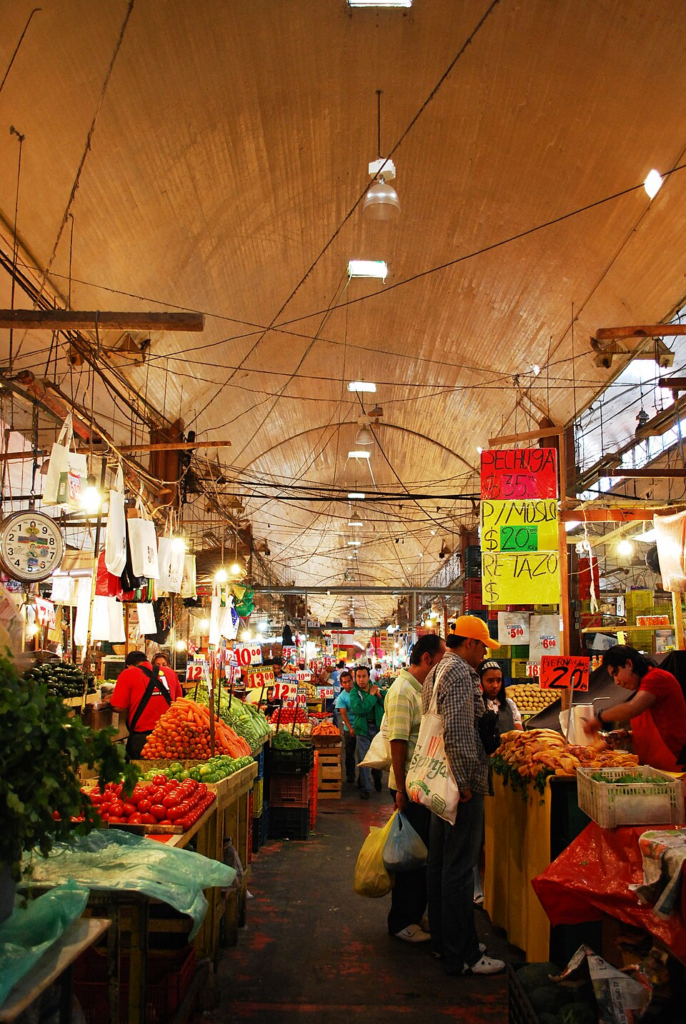
Mercado con puestos de fruta y carne

Mercado en México. Fuente: Wikimedia Commons

Haber conformado un equipo de trabajo integrado por una investigadora histórica y una comunicadora nos obliga a sostener un diálogo fuera de los marcos estrictamente académicos. Ese cruce de saberes nos ha permitido replantear preguntas y modos de abordar el conocimiento, manteniendo siempre en el centro la utilidad social de la historia. Con frecuencia partimos de la coyuntura y del presente como detonadores para construir un entendimiento histórico de nuestra realidad.

Aunque también creemos que los buenos resultados que ha tenido el programa se deben al gran equipo que está detrás, especialmente al INEHRM y a Radio Educación, donde la maestría de Juan Ramírez ha llevado al aire programas mucho más bellos de lo que imaginábamos. Juan, el mago que siempre nos hace escuchar más inteligentes y que, con sus entrevistas, se convierte en el puente entre nuestras ideas y lo que realmente interesa en las calles. 

Junto con nuestras audiencias, exploramos que cada elemento de nuestras vidas contiene la posibilidad de ser historizado y, en ese sentido, adquiere relevancia en el tránsito de lo individual a lo colectivo. Para el proyecto ha sido fundamental posicionarnos desde ahí: en la calle y en sus múltiples voces, en lo cotidiano como un espacio donde la historia se teje a diario y, por ello mismo, merece ser contada.

En este sentido, Historia ¿para quién? busca dejar de obviar temas, personajes y acontecimientos; abrir espacio para la duda; y dialogar en horizontal para apropiarnos críticamente de aquello que siempre fue nuestro.

En ese proceso, la historia deja de ser únicamente un saber sobre el pasado y se convierte en una práctica pública: una herramienta para nombrar experiencias, reconocer desigualdades, disputar sentidos comunes y ampliar el repertorio de lo imaginable. Cuando la conversación histórica circula fuera de los recintos especializados —sin renunciar al rigor, pero asumiendo un compromiso con la inteligibilidad y la escucha—, la vida pública se fortalece: se vuelve más capaz de deliberar, de recordar y de exigir.

En última instancia, el valor público de este trabajo aparece en escenas pequeñas: una pregunta que se queda resonando al apagar la radio, una anécdota familiar que de pronto se conecta con un proceso colectivo, una calle que deja de ser simple trayecto para volverse archivo vivo. Ahí, en ese instante en que el presente se vuelve legible a la luz de otras épocas —y el pasado se revela como algo que todavía nos mira—, la historia recupera su potencia: no como monumento, sino como conversación.

Finalmente, nos resta decir que si celebramos este amado proyecto como un éxito, es por los mensajes que nos dejan las audiencias. A través de nuestros medios de contacto, sabemos que nuestra narrativa ha impactado sobre la forma en que las, los y les radioescuchas comprenden y se relacionan con la historia. Por eso cerramos este texto con el último mensaje que nos dejaron en el WhatsApp de Radio Educación:

… Creo que el gran aprendizaje que me llevo hoy, del programa de este 22 de diciembre de 2025, es que somos una narración los seres humanos… y ya que el programa se llama Historia, ¿para quién? creo que sería importante preguntarnos quiénes estamos construyendo la [narración de la] historia, y me incluyo, no porque sea historiador, sino porque soy un ciudadano que quiere participar en la construcción de este país, que de verdad espero pronto sea un nuevo país. En fin, creo que hoy nos corresponde a todos construir la narración de nuestra historia. 


Tamara Aranda estudió Historia en la Universidad Nacional Autónoma de México (Facultad de Estudios Superiores Acatlán). Actualmente es investigadora en el Instituto Nacional de Estudios Históricos de las Revoluciones de México (INEHRM) y co-conductora de Historia, ¿para quién? en Radio Educación.

Natalia Luna es comunicadora y conductora de radio con más de una década de experiencia en medios públicos. Es co-conductora de Historia, ¿para quién? en Radio Educación, donde trabaja en la traducción de la investigación histórica en contenidos accesibles para públicos diversos.


The views and opinions expressed in this article or video are those of the individual author(s) or presenter(s) and do not necessarily reflect the policy or views of the editors at Not Even Past, the UT Department of History, the University of Texas at Austin, or the UT System Board of Regents. Not Even Past is an online public history magazine rather than a peer-reviewed academic journal. While we make efforts to ensure that factual information in articles was obtained from reliable sources, Not Even Past is not responsible for any errors or omissions.

History—For Whom? From The Public Radio in Mexico

This article is part of the series: History Beyond Academia

Este artículo tiene una versión en español

History, for whom? (Historia ¿para quién?) is the result of a conversation sustained over several years between young historians and a communicator interested in bringing historical reflection into everyday life. From the outset, the main question was how to translate complex topics—both historical and contemporary—into clear, accessible, and understandable content for very diverse audiences within Mexico’s public media. 

After the coronavirus pandemic, opportunities emerged to bring the ideas born of those conversations down to earth. Thanks to the generosity and complicity of many colleagues, we were able to experiment with different formats and across various public media outlets, whose doors were opened to us by the National Institute of Historical Studies of the Mexican Revolutions (INEHRM). 

In this sense, we consider Historia ¿para quién? to be the product of collaborative work among women dedicated to the social sciences and communication, including María Minero, Fernanda Nares, Guadalupe Muro, Ana Salinas, and Jehiely Hernández, from whom we have learned and with whom we have had the privilege of working. 

It is also a project that emerges from the federal public administration, as it depends on funding from the Ministry of Culture through INEHRM, as well as on the production, technical support, and broadcasting of Radio Educación. This means that it responds to the right of access to culture and therefore its contents require institutional validation. It is worth noting that this has not limited the expression of ideas or the selection of topics; on the contrary, institutional backing has allowed us to connect with multiple specialists, converse with people responsible for little-known collections, and give visibility to independent projects that are doing a great deal to preserve and disseminate historical memory. 

Late 19th century building in Mexico

Instituto Nacional de Estudios Históricos de las Revoluciones de México. Source: Wikimedia Commons

The people responsible for bringing this project to life were the authors of this text: Natalia Luna and Tamara Aranda. Dr. Felipe Ávila, director of INEHRM, and M.A. Jimena Salgado, the institute’s director of outreach, placed their trust in us for this enormous and very important task. Holding fast to our initial premise, we decided to name the program Historia ¿para quién?, because the title encapsulates what matters most to us both: placing audiences—their interests and rights—at the center of the conversation. This was about democratizing historical knowledge to its fullest extent. 

Then came the planning of the format. To meet our objectives, we opted for the specialized interview, though with a warm and approachable tone, and included a segment providing historical context and another based on audience polling, giving listeners a voice to express themselves on each topic. We also added a song inspired by the conversation and a round of rapid-fire questions to energize the interview and push specialists to “get to the point.” 

The program is hosted by Tamara Aranda, a historian and researcher at INEHRM, and Natalia Luna, a communicator with more than a decade of experience in public media. In this project we found many points of convergence, ranging from personal interests—which are also political—to the need to explain and debate them through historical perspectives. Thanks to the collaboration and co-production between INEHRM and Radio Educación—a century-old broadcaster on the radio dial—a 55-minute space opened up for us to develop the program. 

We asked ourselves what the current proposals were for communicating history and why there were so few spaces dedicated to historical dissemination using a more colloquial language, with a gender perspective, inclusive, and willing to step outside the margins of “History with a capital H” to let popular culture enter narratives about the past. 

We were also interested in inviting young (and not-so-young) specialists whose projects, research, and knowledge transcend the walls of academia. We believe that the media—and public radio in particular—have an obligation to open spaces to disseminate knowledge and offer tools to audiences with very concrete rights: to understand, question, and better discern the reality around us. In the end, all of us are audiences. 

The day-to-day work of Historia ¿para quién?  is sustained by curiosity, wonder, and openness. Often we react to our own lives: to the people we meet, the topics we discover, the colloquia and conferences we attend. From there come the ideas that later become programs. 

Promotional banner for the radio show

Promotional banner.

We have a list of topics to address and a series of sound resources to “dress” the program: short segments, street polls to hear what people know or think, songs that dialogue with the historical moment, and audience messages—essential for generating resonance and feedback. It is essential here to thank Juan Ramírez, responsible for sound design and reporting that enriches the program. 

Any team member can propose a topic; we review possible specialist guests and, from there, collectively support the work. Tamara provides historical advising for each episode and conducts the research that then becomes a short segment. Natalia translates that work into a script designed for audiences, with trigger questions and resources specific to radio language. Both of us record the segment voices and host the program. 

The team is completed by Alma Lilia Martínez as production assistant and Mario Ledesma as general producer, who oversee the final product and coordinate timing, recording studios, and articulation with the station’s social media. 

For the dissemination of each program, we follow a basic rule: we cannot take anything for granted. Academic knowledge—and, in our case, historical knowledge—is not a common starting point for everyone. There will always be someone who does not share the same references, and it is precisely in the effort to break down topics to their apparent simplicity that the complexity of communicating to very diverse publics lies. Radio, the sound archive, and the digital platforms where the program is hosted are the tools with which we try to accompany that process. 

Our initial audience is Radio Educación’s listeners on 96.5 FM. Although we do not have precise metrics, our fifteen years of experience collaborating there tell us that a good portion of our listeners have grown up alongside the station. It is a predominantly older audience that participates critically through calls and messages: they congratulate us, question us, tell us how the topics resonate, and what else they would like to hear. 

At the same time, we have the mission of reaching younger audiences through the program’s repository on Spotify, where Historia ¿para quién?  can be listened to on demand and circulate through other circuits, especially among students and people linked to historical research and the humanities. 

Another core audience is INEHRM’s public, which spans a wide range of ages, genders, and geographic locations. As a national institute with more than 70 years of history, it has partnerships with institutions throughout the country, which makes it possible to decentralize history and take it beyond Mexico City and its metropolitan area. This also helps expand the thematic range and address histories that resonate in every corner of Mexico, connecting with local specialists and reaching audiences who call or write from across the Republic and even from other countries. 

After more than half a year on the air, we believe our work has helped rethink some traditional notions of how history is viewed, beginning with dismantling the idea that history is only the past and, as such, distant and sacred. On Historia ¿para quién?  we have critically reflected on events that seem far removed in time, but whose effects are observable today. Colonialism or Mexican Independence are examples of topics we have revisited with the help of experts who have shared their knowledge clearly with us and the audience. 

We have also addressed painful topics in national and world history, from the Dirty War and Spanish exile to the Bosnian and Palestinian genocides. Through these programs we have touched sensitivities that appeal to the humanity of listeners, giving History with a capital H a human character that makes it close and open to questioning. 

We analyze current problems through a historical lens to rethink our present and invite the listening community to imagine solutions. If feminists of the past were able to set aside their differences to fight together for citizenship rights, women struggling today can also generate more effective measures for access to justice; likewise, something must be done urgently, as citizens, if investigation files of people disappeared in the 1970s are piling up in prosecutors’ offices alongside those of the twenty-first century. Ignorance of history not only carries the risk of repetition, but also of non-repair and, worse still, the accumulation of grievances. In this sense, ignoring history condemns us to impunity and to perpetuating suffering. 

After 30 programs, we can state with satisfaction that our objectives have been met, both communicatively and institutionally, as the project has become a platform for colleagues inside and outside academia, as well as within the institute itself, whose areas of expertise enrich our understanding of the present and deserve not only to be heard, but to be recognized. 

For those of us who sign this text, the greatest challenges in carrying out the project were related to adapting language and communication strategies for a broad public. This is always difficult for those of us who come from academic spaces, because the habit of writing and speaking for peers weighs heavily. Fortunately, we managed to distance ourselves from tradition and think beyond the booth and the cubicle. We believe this is due to Natalia’s experience and sensitivity in public media and cultural and historical outreach projects, as well as Tamara’s lack of routine in academic exercises after having moved through such diverse worlds as public administration and human rights activism. 

Vendors selling produce and meat at a market

Public market in Mexico. Source: Wikimedia Commons

Forming a team composed of a historical researcher and a communicator forces us to maintain a dialogue outside strictly academic frameworks. This cross-pollination of knowledge has allowed us to rethink questions and ways of approaching knowledge, always keeping the social usefulness of history at the center. We often begin with the present moment as a trigger for constructing a historical understanding of our reality. 

We also believe that the program’s positive results are due to the great team behind it, especially INEHRM and Radio Educación, where Juan Ramírez’s mastery has brought to air programs far more beautiful than we imagined. Juan, the magician who always makes us sound smarter and who, through his interviews, becomes the bridge between our ideas and what truly matters in the streets. 

Together with our audiences, we explore how every element of our lives contains the possibility of being historicized and, in that sense, gains relevance in the passage from the individual to the collective. For the project, it has been fundamental to position ourselves there: in the street and its many voices, in the everyday as a space where history is woven daily and therefore deserves to be told. 

In this sense, Historia ¿para quién?  seeks to stop overlooking topics, characters, and events; to open space for doubt; and to engage in horizontal dialogue in order to critically reclaim what has always been ours. 

In this process, history ceases to be merely knowledge about the past and becomes a public practice: a tool to name experiences, recognize inequalities, dispute common sense, and expand the repertoire of what is imaginable. When historical conversation circulates outside specialized spaces—without renouncing rigor, but assuming a commitment to intelligibility and listening—public life is strengthened: it becomes more capable of deliberating, remembering, and demanding. 

Ultimately, the public value of this work appears in small scenes: a question that lingers after the radio is turned off, a family anecdote that suddenly connects with a collective process, a street that ceases to be a simple route and becomes a living archive. There, in that instant when the present becomes legible in the light of other eras—and the past reveals itself as something that still looks back at us—history recovers its power: not as a monument, but as a conversation. 

Finally, if we celebrate this beloved project as a success, it is because of the messages left by our audiences. Through our contact channels, we know that our narrative has impacted the way listeners understand and relate to history. We therefore close this text with the last message we received on Radio Educación’s WhatsApp: 

“…I think the great lesson I take away today, from the program of December 22, 2025, is that we human beings are a narration… and since the program is called Historia ¿para quién?, I think it would be important to ask who is building the [narration of] history, and I include myself—not because I am a historian, but because I am a citizen who wants to participate in building this country, which I truly hope will soon be a new country. In short, I think that today it is up to all of us to build the narration of our history.” 


Tamara Aranda studied history at Uiversidad Nacional Autónoma de México (Facultad de Estudios Superiores Acatlán). She is currently a researcher at the Instituto Nacional de Estudios Históricos de las Revoluciones de México (INEHRM) and co-host of Historia, ¿para quién? on Radio Educación.

Natalia Luna is a communicator and radio host with over a decade of experience in public media. She co-hosts Historia, ¿para quién? on Radio Educación, where she works to translate historical research into accessible content for diverse audiences.


The views and opinions expressed in this article or video are those of the individual author(s) or presenter(s) and do not necessarily reflect the policy or views of the editors at Not Even Past, the UT Department of History, the University of Texas at Austin, or the UT System Board of Regents. Not Even Past is an online public history magazine rather than a peer-reviewed academic journal. While we make efforts to ensure that factual information in articles was obtained from reliable sources, Not Even Past is not responsible for any errors or omissions.

Beyond the Waters: Oral History and the Save Our Springs Movement of Late-Twentieth-Century Austin

Beyond the Waters banner with Barton Springs as a background

This article is part of the series: History Beyond Academia

On June 7, 1990, hundreds of Austin citizens spoke before the Austin City Council in opposition to a proposed 4,000-acre real estate development upstream of Barton Springs, an iconic spring-fed swimming pool in the heart of Austin. The development, spearheaded by flamboyant businessman Jim Bob Moffett, was to be on land over the Edwards Aquifer, a groundwater reservoir that is highly sensitive to pollution. Opponents of the project were deeply concerned about the potential impact of the development on water quality in the pool and the pool’s long-term health. The hearing ran into the following morning, and in a unanimous vote, the City Council rejected the development. The buildup to the hearing, the dramatic and unpredictable hearing itself, and the later adoption by the city of a stronger watershed ordinance (the SOS Ordinance) reflected the coalescence of local environmental groups and citizens into a movement known as Save Our Springs (SOS). The SOS Movement is now seen as a high point of activism in Austin’s history, a story that inspires both myth–it’s a classic David-and-Goliath story–and controversy. 

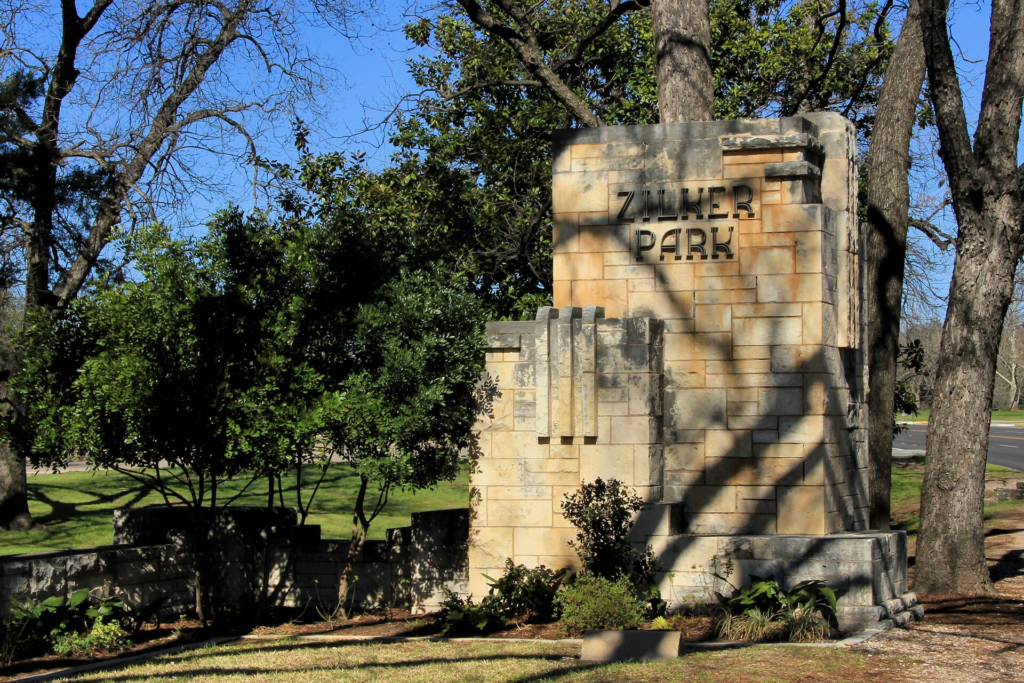
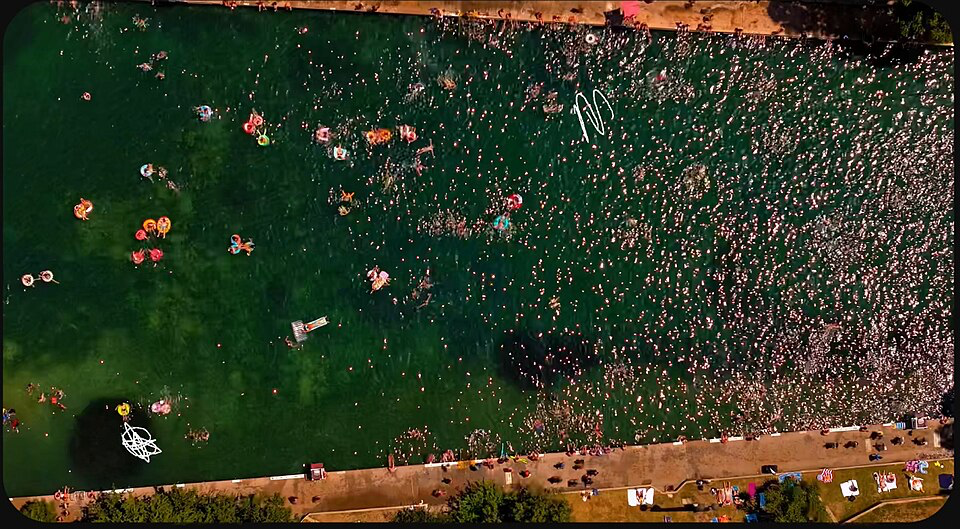
To understand the importance of this moment, it’s critical to understand the place Barton Springs holds within Austin’s history. Barton Springs lies within Zilker Metropolitan Park, a 350-acre recreation hub that anchors the confluence of Lady Bird Lake and Barton Creek, two of the many creeks and waterways that add to the remarkable beauty of Central Texas. Just minutes from downtown Austin, Barton Springs traces its history from its role as a source of sustenance to Indigenous peoples, to its value as a site of commerce in the mid-1800s into the early 1900s, and to its final role as a recreation mecca. Like many recreation sites in the mid-1900s, Barton Springs was segregated until 1961, when activists and everyday people conducted “swim-ins” that led to its integration. Today, Barton Springs reflects both Austin’s diversity and its evolving identity as a countercultural bastion, a place where people of all backgrounds and ages can relax and enjoy its cooling waters throughout the year. 

Zilker park entrance

Zilker Park Entrance Portal, Austin. Source: Wikimedia Commons

Inspired by the SOS story, since 2019, I have been conducting oral history interviews with its participants, focusing on the period up to and including the 1990 hearing, the 1992 SOS Ordinance, and the years immediately afterwards. To date, I have completed audio interviews with forty people, recording the voices of everyone from environmentalists and their opponents to journalists and entertainers. My interest in Barton Springs began when I moved to Austin from Houston in 1986. A longtime recreational swimmer, I was used to chlorinated, lane-lined pools, and the cool, emerald waters of this legendary natural resource were a revelation.

The project began when I was earning my master’s in public history at Texas State University and took a fieldwork-focused oral history class in the fall of 2018. Two things happened: I discovered that I enjoyed interviewing, and I ran into a friend and key player in SOS, Brigid Shea, at a holiday party. I began talking with her about SOS and how I’d followed it when I was a young professional, and I asked whether anyone had ever captured the voices of the participants. She responded with her trademark enthusiasm, saying, “You should do it!” 

This memory is important because it tells other stories about doing public history. Shea and I became friends through volunteering with the PTA at the high school our children attended. Tropes about PTA moms abound, but in this case, my relationship with Shea was key to my public history work because she was able to put me in touch with numerous SOS participants. As an oral history instructor at Texas State, I tell this story to my students to emphasize the importance of relationships in fostering historical inquiry. 

A second aspect of this story is also important. I didn’t know then that Karen Kocher, a documentarian and now-retired instructor in the Radio-Television-Film department at the University of Texas at Austin, had been doing important work for some time on this same topic through her online Living Springs series. Her work includes interviews with several of the same people I was interviewing, which I didn’t discover until I was a year into my project. A central question for me became how I could differentiate my work from hers in ways that would contribute to the scholarship on Barton Springs. Eventually, Karen and I met to discuss our projects, and we have since forged a professional relationship in which we’ve shared interview material and supported each other’s work. I’ve come to see that my work differs from hers through our intended audiences, our interview style, and the points at which our lists of interviewees do differ.

I conducted my first interview in August 2019 with activist Shudde Fath, who was 103 at the time. In the course of the interview, several names arose that coincided with names I’d encountered in my research, and I began developing an interview list and working my way through it as I was earning my master’s. Although I didn’t earn class credit for my research, my affiliation with Texas State was key in their agreeing to archive my interview material and allowing me to use their interview consent form, both of which gave my project the imprimatur I needed to establish trust with my interviewees.

Aerial view of Barton Springs

Aerial image of Barton Springs. Source: Wikimedia Commons

I examined the SOS Movement’s complexities through my master’s thesis, in which I focused on six interviews to discuss how SOS affected communities in Austin in varying ways. One of the most interesting discoveries involved the different ways that my interviewees defined “the environment.” Susana Almanza, who is Mexican American, stressed the importance of people, not just natural spaces and wildlife, within the environment.[1] Jeff Travillion, who is African American, touched on the role of the sustainable food community within discussions about the environment, further expanding the parameters of environmentalism.[2]

A controversial topic that my interviews uncovered was whether the SOS Ordinance spurred gentrification in East Austin, which historically has been home to Austin’s Mexican American and African American communities. The reasoning is that, because the ordinance restricted development over the watershed southwest of Austin, it has contributed to the supercharged development that has taken place in East Austin post-SOS. East Austin activist Daniel Llanes discussed this topic at length, the answer to which has yet to be fully resolved.[3]

My interviewees shared their strategies and motivations for supporting SOS. Shea spoke for many in her description of the all-night hearing as an inspiring “popular uprising.”[4] Llanes described connecting members of the activist group PODER (People Organized in Defense of Earth and Her Resources) with SOS leadership such that PODER supported SOS in exchange for assistance lobbying to rid East Austin of hazardous “tank farms” where several major oil companies stored fuel.[5] Shea’s husband, John Umphress, recalled the simple act of circulating pickle jars at live music venues to raise money for the cause.[6]

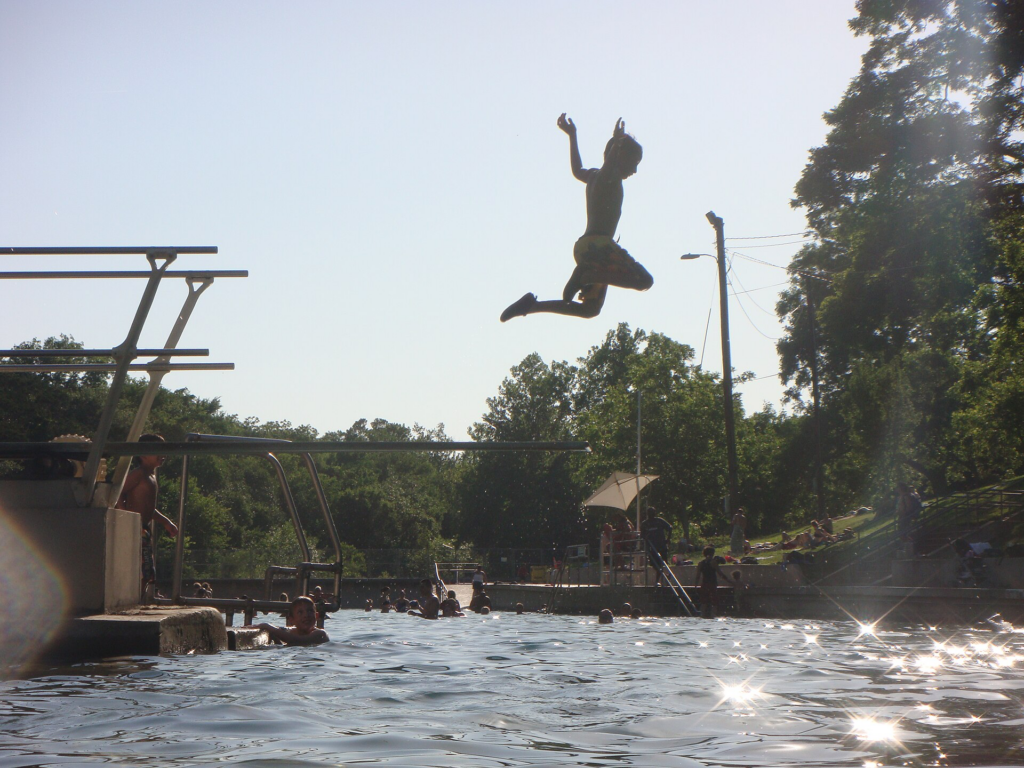
Kid jumping into the water at Barton Springs

Kids enjoying Barton Springs. Source: Wikimedia Commons

Building upon my findings, I have showcased my research at conferences put on by the American Society for Environmental History and the Texas Oral History Association, and I plan to continue writing about it, incorporating the voices of all of my interviewees to flesh out the SOS story fully. The project is not yet live on the Internet, but at some point, I’d like to create a website to provide public access to the interviews. In the meantime, scholars wishing to access the materials can contact Texas State University Archives or me.

A typical workday on my SOS project involves going through my project planning documents and following up on interviews. I prioritize interviewees based on role in SOS, age, recommendations from others, or the simple fact that I’ve finally stumbled across their contact information after years of having them in my sights. Then I do outreach and finalize the interview, with a typical interview lasting about an hour and a half. The most labor-intensive part of my work is transcription, both the initial pass and the process of having my interviewees review their transcriptions. 

Doing this work outside of an academic setting has posed several challenges and opportunities. The first challenge is that I do all of the work on my own time; given the substantial commitment required to conduct and transcribe the interviews, the pace can be slow, evidenced by the fact that I don’t have a dedicated website for the material. This bothers me because I feel an obligation to my interviewees to make their interviews widely accessible. In addition, I bear all the costs of my research, including the software subscription, transcription services I used for my early interviews, my audio recorder, and logistical expenses such as gas and parking. These factors place the option of doing audio-visual interviews that much more out of reach. That said, I have complete independence in choosing my interviewees, managing my schedule, and drafting interview questions, and this freedom has contributed to my confidence and creativity as an oral historian.

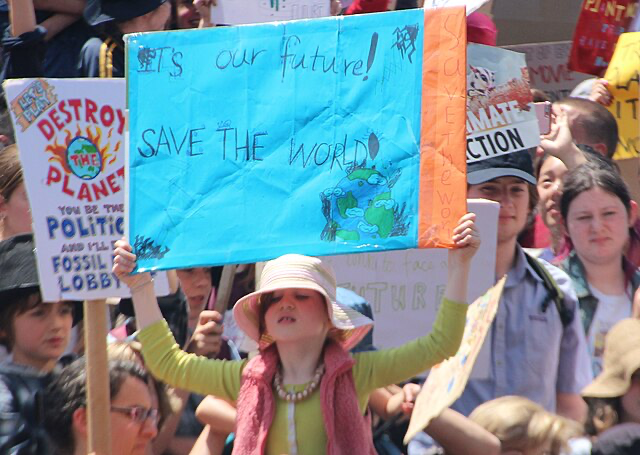
Kids holding sign that reads: It's our future! Save the world!

Environmental protest. Source: Wikimedia Commons

The pandemic also posed unique challenges and opportunities. I discovered that people had newfound flexibility in their schedules, and I was able to schedule interviews that had eluded me prior to the pandemic. I learned that online interviews can yield meaningful material despite the fact that they lack some of the personal rapport of in-person interviews. Platforms like Zoom also create recordings of meetings, so I had natural backup files to the recordings on my audio recorder, which I operated next to my laptop during interviews. Unfortunately, I didn’t appreciate the fact that my laptop speakers were blown during several online interviews, and those recordings, while yielding decent transcripts, suffer from poor audio quality. In addition, I had to learn to manage my dogs, ensuring that they were fed prior to interviews so that they wouldn’t interrupt me. I also held several interviews outdoors to allow for good airflow. One of these took place at a Starbucks along I-35; the sounds of interstate traffic, the umbrella over our table flapping in the wind, and a monster truck that parked next to us with an idling engine while the driver picked up his order are audible on the recording. 

The surprising insights that my narrators have shared with me more than compensate for these challenges, such as the revelation that environmentalists and the development community held “peace talks” in the post-SOS heyday in which they hired a shaman to mediate.[7] It has also been fascinating to capture the point of view of members of the development community, whose portrayal of developer Jim Bob Moffett reflects a more complex take on his personality than what I obtained in interviews with environmentalists.[8]

My project on SOS has been fulfilling in more ways than I ever imagined when I embarked upon it. My experience conducting this project contributed to my being tapped to teach oral history at Texas State, a role I’ve thoroughly enjoyed. I get to share my successes and mistakes with my students, so they gain confidence in their ability to do oral history. I’ve also become a better historian. By interviewing a range of people both inside and outside of the activist circles that drove the SOS campaign’s historic victories, I’ve come to appreciate both the value of Austin’s identity as a “green, keep-it-weird” city and the need to interrogate that identity in new ways. Finally, I’ve made countless friends, including interviewees, fellow scholars, and the professional transcriber who assisted with my early interviews. Little did I imagine during that first dip in Barton Springs in 1986 that one day I’d have the opportunity to explore its history in this way. What a gift it has been.


Mary Closmann Kahle holds a degree in history from Stanford University and an M.B.A. from the University of Texas at Austin. She earned a master’s in public history from Texas State University, where she focused on oral history and historic preservation and completed an internship with Preservation Austin. She is a history steward with the Texas Historical Association, and served on the board of Preservation Austin and as the chair of the Austin History Center Association’s oral history committee (2022-2024). 


[1] Susana Almanza, interview by author, Austin, TX, October 16, 2020, (Zoom).

[2] Jeff Travillion, interview by author, August 19, 2020, Austin, TX, (Zoom).

[3]  Daniel Llanes, interview by author, Austin, TX, October 12, 2022.

[4] Brigid Shea, interview by author, Austin, TX, August 23, 2019. 

[5] Llanes, interview by author. 

[6] John Umphress, interview by author, Austin, TX, August 23, 2019. 

[7] George Cofer, interview by author, Austin, TX, October 2, 2020, (Zoom)

[8] Beau Armstrong, interview by author, Austin, TX, December 10, 2019. 


The views and opinions expressed in this article or video are those of the individual author(s) or presenter(s) and do not necessarily reflect the policy or views of the editors at Not Even Past, the UT Department of History, the University of Texas at Austin, or the UT System Board of Regents. Not Even Past is an online public history magazine rather than a peer-reviewed academic journal. While we make efforts to ensure that factual information in articles was obtained from reliable sources, Not Even Past is not responsible for any errors or omissions.

Las cosas tienen vida:  Un podcast sobre el rol de los objetos coloniales en nuestras vidas actuales 

Este artículo es parte de la serie: History beyond Academia

This article has an English version

La historia es, ante todo, un esfuerzo por comprender el pasado. Quienes la estudiamos buscamos reconstruir e interpretar lo que ocurrió, utilizando métodos que nos permitan hacerlo con cuidado y rigor. Para ello trabajamos con documentos del pasado (lo que los historiadores llamamos fuentes primarias) que pueden ser verdaderos, falsos o incluso contener un poco de ambos. A partir de estos materiales, y en diálogo con otros investigadores, vamos construyendo interpretaciones que nos ayudan a entender cada época desde su propio contexto. Muchas veces, creemos que se trata de un trabajo individual entre intelectuales, sin embargo, como señala el historiador británico Raphael Samuel, “la historia es una forma social de conocimiento, el trabajo […] de miles de manos distintas.”[1] Esto quiere decir que cualquier persona, desde una abuelita hasta el cartero, cotidianamente van contando y evaluando hechos históricos, que se van contando como tradición oral u escrita: ¡No es un monopolio de los historiadores!

Siempre concebimos el podcast como una oportunidad para ofrecer herramientas históricas a nuestro público. En cada episodio presentamos tanto los objetos —las cosas, en este caso— como a investigadores destacados, con el propósito de mostrar las diversas maneras de narrar y comprender un objeto histórico, especialmente del pasado colonial y sus implicancias en el presente, ya se encuentre en un museo, una iglesia o una colección privada. Este trabajo colaborativo nos ha permitido construir una visión del pasado colonial que buscamos compartir y enriquecer en diálogo con nuestra audiencia. 

En este artículo queremos reflexionar sobre el significado de esos objetos históricos y su revalorización por parte de los investigadores, trasladando su importancia del presente al pasado y viceversa, a través de un medio de comunicación público, como lo es un podcast.

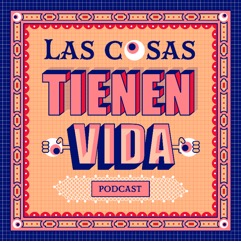
Logo del podcast Las cosas tienen vida

Logo del Podcast “Las cosas tienen vida”

El podcast “Las cosas tienen vida” (Imagen 1) salió por primera vez en abril de 2021 como un proyecto de Historia Pública[2]. Su objetivo era despertar el interés de un público amplio de habla hispana en los nuevos métodos de investigación histórica, a partir del estudio de diversos objetos culturales. El proyecto comenzó a tomar forma varios meses antes, durante las pausas para el café que aliviaban nuestras largas jornadas de trabajo en el Archivo de Indias, en Sevilla. Entre los montículos de documentos coloniales, nuestras conversaciones se repetían una y otra vez, siempre volviendo al mismo punto: la frustrante falta de espacios donde poder compartir nuestras investigaciones con el público más allá del mundo académico. Cuestionamos si había una manera amena para divulgar los avances científicos de nuestros colegas a la medida de un público general. ¿Para quiénes son realmente estas historias en las que invertimos tanto esfuerzo y dedicación? ¿Podríamos construir comunidades que den valor a estos objetos históricos? ¿Cómo podemos abrir espacios donde los investigadores compartan sus trabajos con un público no especializado? No sabemos si fue el efecto de la pandemia o, más bien, el último arranque de energía de nuestra vida como doctorandos, pero de ahí nació la idea de crear algo nuevo. 

A primera vista, nuestro podcast podría parecer similar a otras propuestas que narran la historia del mundo o de un país a través de una serie de objetos[3]. Sin embargo, nuestro propósito es distinto: no buscamos ofrecer una mirada identitaria o cerrada sobre una comunidad y su tiempo, sino abrir nuevas formas de comprender la historia y sus objetos dentro de un espacio tan vasto y diverso como lo fue el mundo ibérico durante la temprana modernidad. 

Nosotros no contamos las historias: solo abrimos el micrófono. Quienes realmente las cuentan son nuestros entrevistados quienes son los que las investigan. En cada temporada invitamos a entre diez y doce especialistas cuyos trabajos abarcan distintas regiones del mundo ibérico colonial, mostrando así la riqueza de miradas y métodos posibles para estudiar el pasado. Cada invitado-investigador elige un artefacto y, a partir de él, nos guía por su propio recorrido histórico. Hasta ahora, el podcast reúne más de cien episodios distribuidos en nueve temporadas, con la participación de investigadores de diecisiete países y de disciplinas tan diversas como la arqueología, la ingeniería, la historia y la historia del arte. 

Nuestro “gabinete radiofónico” de objetos no sigue un criterio de selección rígido; más bien se mueve con libertad en un desorden creativo que nos encanta. Desde el inicio, quisimos centrar la atención en las decisiones de cada investigador, convencidos de que hacer historia es también un acto político. Eso implica aceptar que no podemos controlar la narrativa de los objetos ni pretender ofrecer una verdad única. En cambio, compartimos nuestras propias inquietudes y experiencias a través de ellos.

Dentro de ese aparente caos siempre buscamos un hilo común: la relación entre las personas y sus objetos, en el pasado y en el presente. Esa conexión despierta la pasión de los historiadores e investigadores, algo que se siente en cada conversación. Por eso, en los episodios más recientes, empezamos a preguntar a nuestros entrevistados directamente por la elección del objeto, el interés que lo inspira y, muchas veces, por el momento en que se produjo el primer encuentro con él.

En ese sentido, al incorporar objetos del mundo iberoamericano, e incluso del ámbito ibero-asiático, hemos podido cruzar barreras nacionales y fronteras físicas, incluso intelectuales. Esos entrecruzamientos han sido especialmente fructíferos, como el caso de la historiadora argentina Lucila Iglesias hablando de sobre un objeto del área chilena, el “Cristo de Mayo”; la chilena Laura Fahrenkrog, sobre unos instrumentos musicales en el Paraguay colonial; o la española, Marina Torres,  sobre un gorro sacerdotal católico proveniente del Museo Provincial de Guangdong en China[4]. Aquí las coordenadas se desdibujan y dan lugar a nuevas combinaciones que nos entusiasman. Rompemos, así, con el paradigma nacional que todavía nos condiciona, es decir, esa idea de que un historiador chileno debe estudiar la historia de Chile o una californiana, la de California.

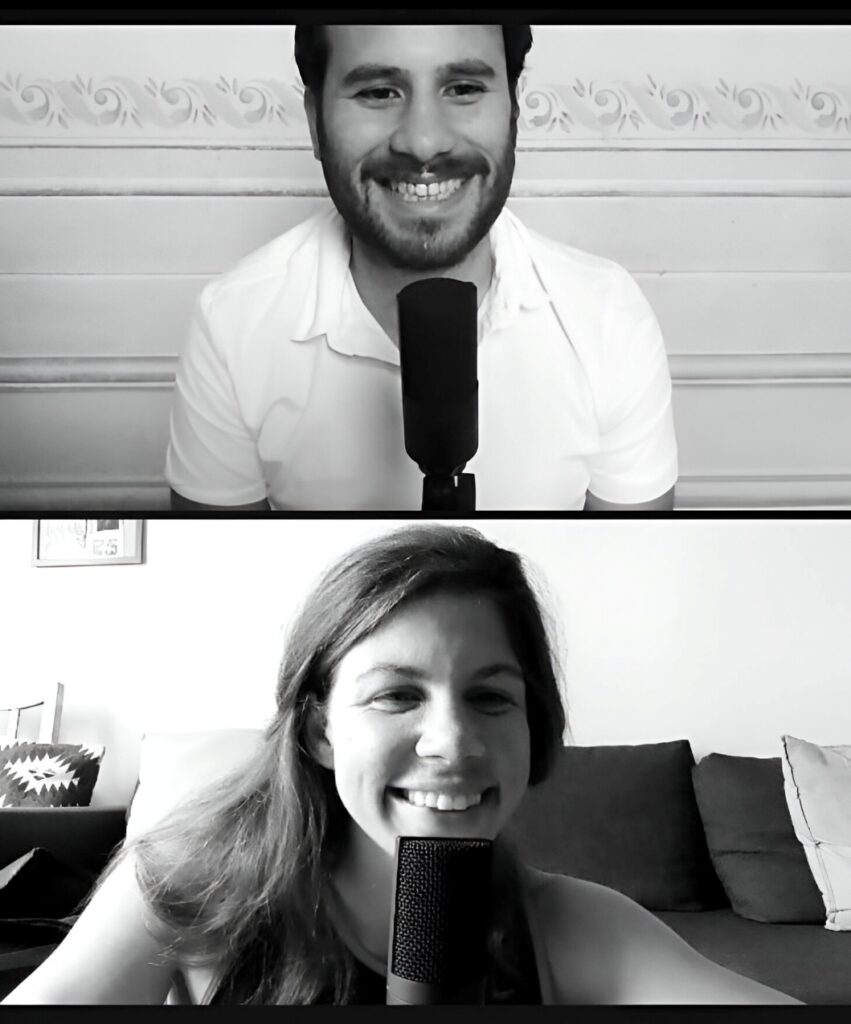
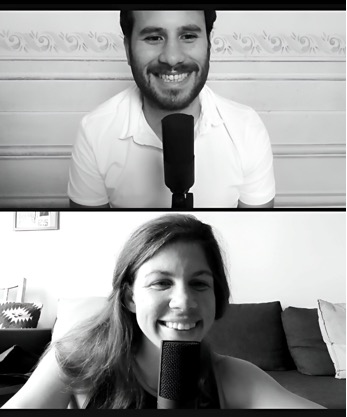
En los últimos cinco años hemos aprendido de todo: desde cómo hacer una buena entrevista hasta cómo sobrevivir a la edición final. Dada la diversidad de nuestros invitados[RT1] , dependemos de tecnologías como Zoom para grabar los episodios (Imagen 2). Luego, editamos cuidadosamente cada uno para que tanto el investigador como el objeto tengan la mejor presencia posible, utilizando herramientas como Audacity. Después, gestionamos las redes y plataformas digitales para difundir los episodios entre un público amplio. Cada temporada ajustamos ligeramente el formato de las entrevistas, incorporando los comentarios y sugerencias de nuestros oyentes.

Por ejemplo, al principio producíamos episodios más largos, de entre 45 minutos y una hora. Sin embargo, muchos oyentes nos comentaron que resultaban demasiado extensos para los contextos en que escuchaban el podcast. Algunas de nuestras oyentes nos han contado, entre risas, que escuchan el podcast mientras practican yoga. Desde entonces, procuramos mantenerlos entre 25 y 30 minutos. No sería exagerado decir que detrás de cada episodio de 25 minutos hay más de diez horas de trabajo. Aun así, seguimos dedicándonos a esta labor no remunerada como un acto de amor y también como un gesto político hacia las historias y las investigaciones que compartimos.

José y Kate frente al micrófono

Imagen dos: José y Kate en grabaciones

A lo largo de nuestras nueve temporadas hemos creado un gabinete virtual lleno de objetos fascinantes: desde un cojín extraviado que reapareció en medio de una disputa política durante la ceremonia del alférez mayor en Quito, en 1573,[5] hasta obras pictóricas más clásicas, como la pintura de la Magdalena en éxtasis hecha por un artista cuzqueño y que hoy en día forma parte de la Colección Thoma (EEUU).[6]  Optar por titular cada episodio como ‘Un’ —ya sea una botija o una obra de Velázquez, episodio próximamente a estrenarse en nuestra nueva temporada— refleja una postura desafiante frente a la idea dominante de canon historiográfico. No somos un podcast de obras canónicas. En cambio, damos voz a los objetos sin imponerles un marco estilístico o historiográfico previo. Al examinar distintos tipos de cosas, buscamos mostrar la importancia de estudiarlas de forma integrada, como respuestas individuales a dinámicas locales y globales que caracterizaron la mundialización ibérica[7].

No creemos que baste con mostrar una variedad de objetos. En nuestro podcast buscamos profundizar en cada uno a través de un análisis que va más allá de su simple descripción. Exploramos su valor histórico, su propósito, la realidad que representan y el contexto en que surgieron. Nos preguntamos qué mensajes transmiten, cuál fue su papel en su tiempo y qué significan hoy. Además, reflexionamos sobre las formas actuales de acceso a estos objetos y complementamos cada episodio con libros o artículos sobre el tema, idealmente escrito por los propios invitados.

Sin embargo, hacer la historia accesible no garantiza que la gente la escuche. Desde el lanzamiento del primer episodio hemos alcanzado más de 10.600 descargas, lo que significa que cada uno de esos episodios fue guardado por un usuario en su dispositivo.[8] El número de escuchas son super variables… depende del tipo de objeto y el lugar de proveniencia. Por ejemplo, la espada de Bolívar [RT2] tiene muchas más escuchas en Colombia que en otros espacios[9]. Las comunidades locales suelen mostrarse especialmente receptivas a nuestros episodios y, muchas veces, también al compromiso de los propios investigadores. Así ocurre, por ejemplo, con el episodio dedicado a “un fragmento de arcilla blanca” en Cajamarca, presentado por Solsire Cusicanqui[10]. 

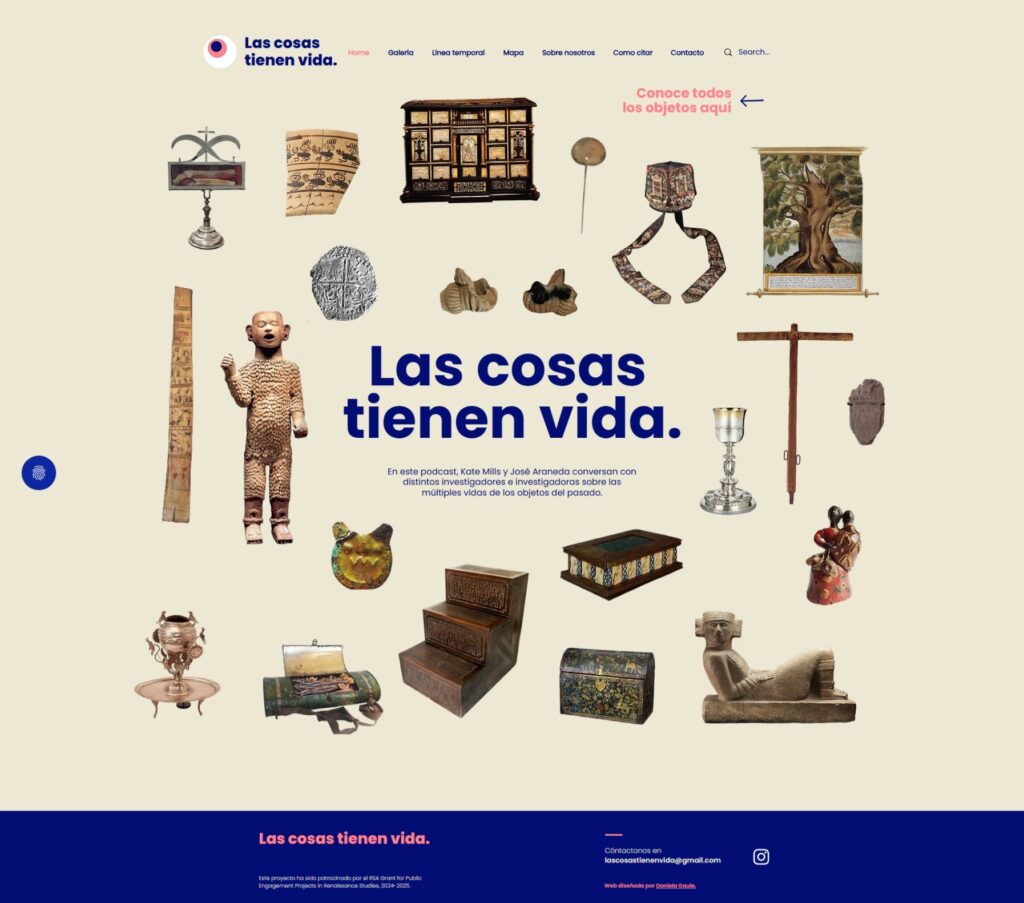
Gracias a la beca RSA Grant for Public Engagement Project in Renaissance Studies, entregada por la institución norteamericana Renassaince Society of America, en el último año hemos podido expandir nuestro proyecto a otras plataformas. Hemos creado una página web: www.lascosastienenvida.com, pensada para complementar el podcast. (Imagen 3)

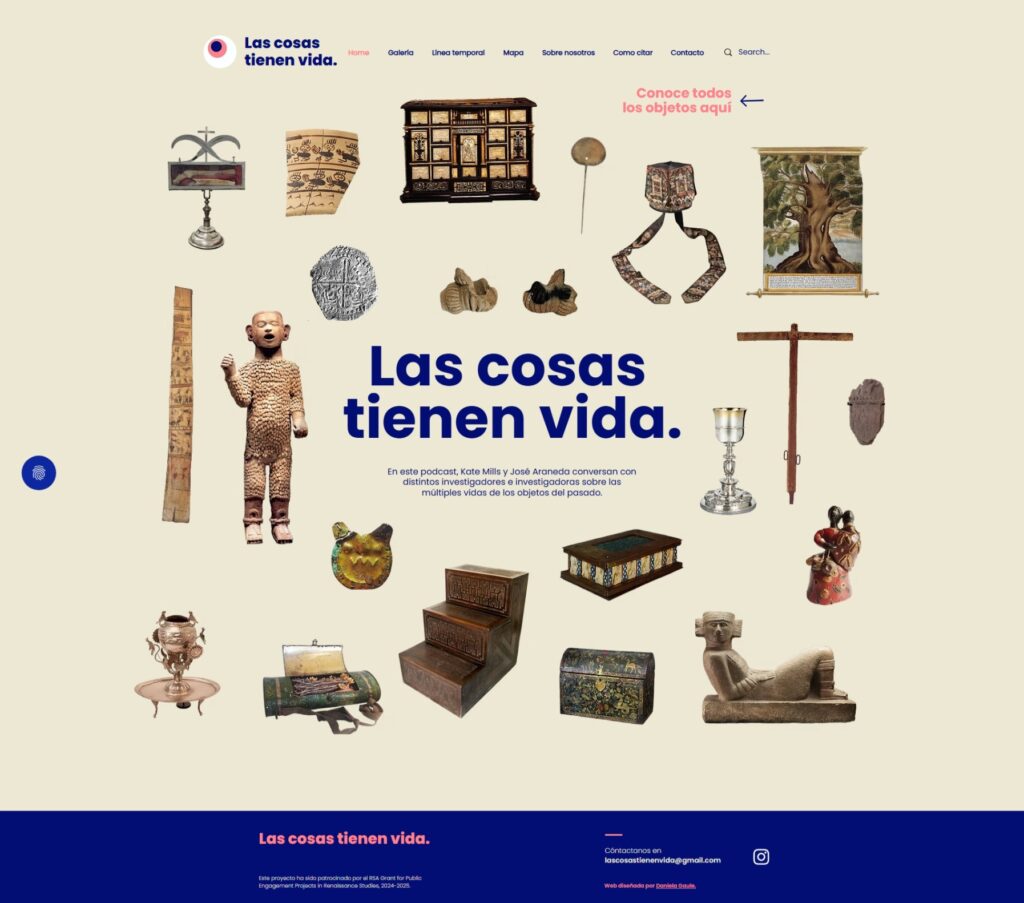
Las cosas tienen vida página web

Página web de Las cosas tienen vida.

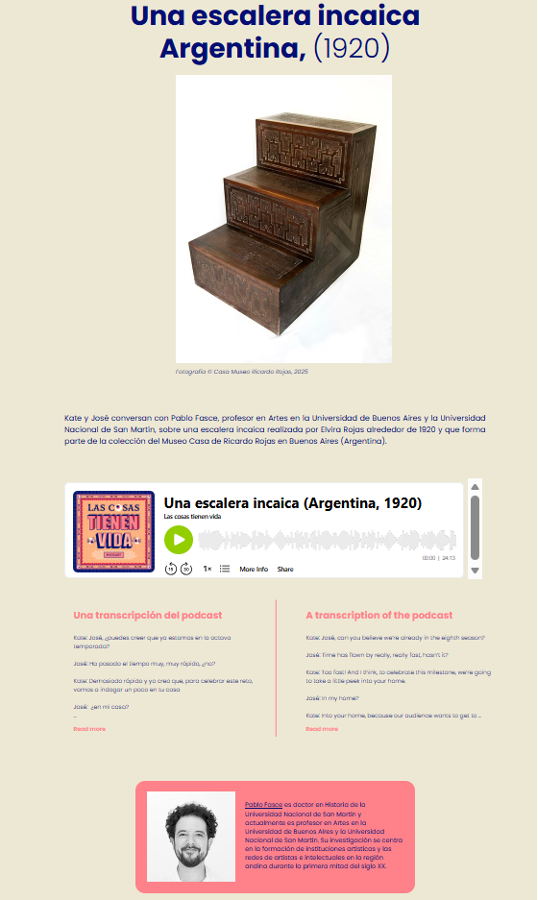
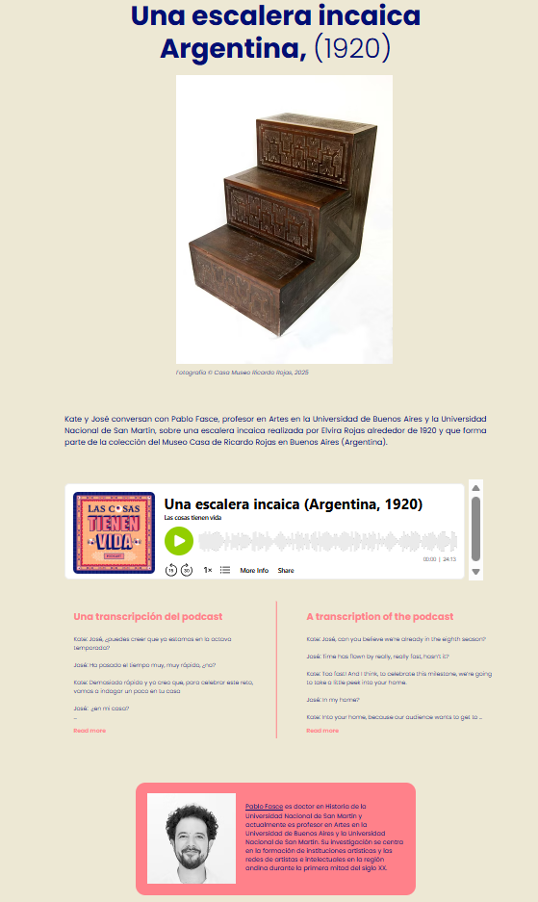
Comenzamos con los episodios más recientes, ya que necesitamos permisos de autor e imagen para publicar los anteriores. Como mencionamos, contamos con una amplia colección de grabaciones. La página web ofrece tres formas distintas de visualizar los objetos, permitiendo a los oyentes establecer conexiones temporales, geográficas y visuales entre ellos. Al hacer clic en cualquier imagen, se accede a la página individual del objeto. Por ejemplo, en la dedicada a la escalera incaica, primer objeto de la octava temporada, se observa el formato general de todas las páginas (Imagen 4). Cada una incluye la imagen del objeto, el episodio del podcast, su transcripción en español e inglés, y una breve biografía con fotografía del investigador.

Modelo de una página web con una escalera incaica argentina

Modelo de una página con un objeto y su entrevista.

Además, la nueva página web constituye un valioso recurso educativo, tanto para la enseñanza secundaria como universitaria. Ofrece a estudiantes y docentes la oportunidad de explorar nuevos objetos, formular preguntas críticas y, por qué no, abrir caminos hacia futuras investigaciones. La plataforma fomenta un aprendizaje activo, invitando a historiadores, estudiantes y público general a explorar el pasado con curiosidad y rigor. Más que una herramienta digital, es un espacio interactivo donde los objetos cobran vida y se vuelven accesibles para una audiencia amplia. Su objetivo es servir como puente entre la historia y la comunidad, promoviendo el diálogo y la participación en torno al pasado compartido.

A modo de cierre, quisiéramos retomar una pregunta que el historiador Marc Bloch inmortalizó hace más de setenta años: “Papá, explícame, ¿para qué sirve la historia?”[11]. Nuestra respuesta, hoy, ha sido crear un podcast. En Las cosas tienen vida mostramos que la historia no solo ilumina el pasado, sino que conecta culturas, geografías y experiencias humanas a través de los objetos que nos rodean. A lo largo de nueve temporadas, hemos explorado esa relación entre objetos e historia junto a investigadores de distintos países y disciplinas, revelando múltiples formas de comprender el mundo. Con la nueva página web damos un paso más en esa dirección: un espacio que enlaza los objetos en el tiempo y el espacio y funciona como herramienta educativa y de difusión del conocimiento histórico. Queremos que la historia siga dialogando con la comunidad, inspirando a cada oyente, estudiante e investigador a encontrar en los objetos del pasado su propia respuesta a esa eterna pregunta: ¿para qué sirve la historia?


Kate (Katherine) Mills es investigadora posdoctoral en el Kunsthistorisches Institut de Florencia. Obtuvo su doctorado (Ph.D.) en Historia del Arte por la Universidad de Harvard y una maestría (M.A.) en Historia de la Monarquía Hispánica por la Universidad Autónoma de Madrid. Su investigación actual examina la relación entre los desastres naturales en los Andes y los artistas que contribuyeron a la reconstrucción de las ciudades afectadas.

José Araneda Riquelme es investigador posdoctoral en el proyecto MISGLOB, “Misiones católicas y la circulación global de personas y bienes en la época moderna temprana (1500–1800)”, en la Universidad Roma Tre. Obtuvo su doctorado (Ph.D.) en Historia Moderna por la Scuola Normale Superiore di Pisa y una maestría (M.A.) en Historia por la Universidad Católica de Chile. Su investigación explora la relación entre la comunicación y la construcción del Imperio español durante el siglo XVII.


The views and opinions expressed in this article or video are those of the individual author(s) or presenter(s) and do not necessarily reflect the policy or views of the editors at Not Even Past, the UT Department of History, the University of Texas at Austin, or the UT System Board of Regents. Not Even Past is an online public history magazine rather than a peer-reviewed academic journal. While we make efforts to ensure that factual information in articles was obtained from reliable sources, Not Even Past is not responsible for any errors or omissions.


[1] Raphael Samuel, Theatres of Memory: Past and Present in Contemporary Culture (London: Verso, 1994), 15.

[2] “Historia pública” es la práctica de hacer historia con y para el público. Busca compartir la investigación histórica más allá del ámbito académico, promoviendo la participación ciudadana en la interpretación y uso del pasado. Thomas Cauvin, Public History a Textbook of Practice, 2nd Edition, (London: Routledge, 2022), p. 4

[3] MacGregor, Neil. A History of the World in 100 Objects. New York: Penguin Books, 2013 y Lucena Giraldo, Manuel. 82 objetos que cuentan un país: Una historia de España. Madrid: Taurus, 2015.

[4] José Araneda Riquelme y Kate Mills, «Un gorro sacerdotal (China, s. XVIII). Con Marina Torres. Ep. 3×05 (12/04/2022)», Con Marina Torres. Ep. 3×05 (12/04/2022), Las cosas tienen vida, s. f.; José Araneda Riquelme y Kate Mills, «Un documento de unos músicos indígenas (Paraguay, s. XVIII)», Con Laura Fahrenkrog. Ep. 2×02 (31/08/2021), Las cosas tienen vida, s. f.; Araneda Riquelme y Mills, «Un gorro sacerdotal (China, s. XVIII). Con Marina Torres. Ep. 3×05 (12/04/2022)».

[5] José Araneda Riquelme y Kate Mills, «Un Cojín (Ecuador, 1573)», Con Laura Paz Escala. Ep. 5×05 (16/05/2023), Las cosas tienen vida, s. f.

[6] José Araneda Riquelme y Kate Mills, «Una Magdalena en éxtasis (Perú, s. XVIII)», Con Rosario Granados. Ep. 4×01 (13/09/2022), Las cosas tienen vida, s. f; José Araneda Riquelme y Kate Mills, «Un Velázquez (España, 1632)», Con Cécile Vincent-Cassy. Ep. 9×07 (13/01/2026), Las cosas tienen vida, s. f.

[7] Serge Gruzinski, Las cuatro partes del mundo: historia de una mundialización (México: Fondo de Cultura Económica, 2010).

[8] Datos derivados de las estadísticas privadas que nos entrega nuestra plataforma de podcast “Buzzsprout”.

[9] Por ejemplo, el episodio “Una espada de Simón Bolívar” (temporada 4, episodio 9) analiza la espada del líder revolucionario Simón Bolívar. El veinte por ciento del total de descargas de este episodio proviene de Colombia, en particular de la región de Bogotá, donde actualmente se encuentra la espada.

José Araneda Riquelme y Kate Mills, «Una espada de Simón Bolívar (Colombia, s. XIX)», Con Juliana Ramírez Herrera. Ep. 4×09 (08/10/2022), Las cosas tienen vida, s. f.

[10] José Araneda Riquelme y Kate Mills, «Un fragmento de cerámica blanca (Perú)», Con Solsire Cusicanqui. Ep. 3×10 (17/05/2022)., Las cosas tienen vida, s. f.

[11] Marc Bloch, Apología para la historia o el oficio de historiador [1949] (México: Fondo de Cultura Económica, 2001).


 [RT1]diversidad geográfica, en este caso? o de otro tipo también?

 [RT2]del líder independentista de Sudamérica o algo así, para los que no sepan de él

Las cosas tienen vida: A Podcast About the Role of Colonial Objects in Our Present Lives 

This article is part of the series: History Beyond Academia

Este artículo tiene una versión en español.

History is, above all, an effort to understand the past. Those of us who study it seek to reconstruct and interpret what happened, using methods that allow us to do so with care and rigor. We work with documents from the past—what historians call primary sources—which may be genuine, falsified, or somewhere in between. From these materials, and in dialogue with other researchers, we build interpretations that help us understand each era within its own context.

Often, we think of history as an individual pursuit among intellectuals. However, as the British historian Raphael Samuel noted, history is “a social form of knowledge, the work […] of a thousand different hands.”[1] This means that anyone—from a grandmother to a mail carrier—tells and evaluates historical events in their everyday lives, passing them down through oral or written traditions. History is not the monopoly of historians!

From the start, we conceived of the podcast as an opportunity to offer historical tools to a wider audience. In each episode, we present both objects—“things,” in this case—and distinguished researchers, with the goal of showing the many ways one can narrate and interpret a historical object, especially those from the colonial past and their implications in the present, whether the object is found in a museum, a church, or a private collection. This collaborative work has allowed us to build a shared vision of the colonial past—one we hope to enrich through dialogue with our listeners.

In this article, we reflect on the meaning of these historical objects and the ways researchers have revalued them—transferring their significance from the present to the past and vice versa—through a public medium such as a podcast.

Podcast Logo: Las cosas tienen historia

Podcast logo: Las cosas tienen vida. 

The podcast Las cosas tienen vida (“Things Have a Life of Their Own”) first aired in April 2021 as a Public History project.[2] Its goal was to awaken interest among a broad Spanish-speaking audience in new methods of historical research through the study of cultural objects.

The idea took shape months earlier, during the coffee breaks that punctuated our long workdays at the Archivo de Indias in Seville. Among the piles of colonial documents, our conversations kept circling back to the same frustration: alack of spaces where we could share our research beyond academia. We wondered whether there was an engaging way to communicate our colleagues’ scientific advances to a general audience.

Who are these stories really for—the ones we devote so much effort and passion to? Could we build communities that value historical objects? How can we create spaces for researchers to share their work with non-specialists? Perhaps it was the effect of the pandemic—or simply a final burst of energy in our doctoral lives—but that’s how the idea to create something new was born.

At first glance, our podcast might resemble other projects that tell the history of the world or a nation through a series of objects.[3] But our purpose is different: we don’t aim to offer an identity-based or closed interpretation of a community and its time. Instead, we want to open up new ways of understanding history and its objects across the vast and diverse space that was the Iberian world in the early modern period.

We don’t tell the stories—we simply open the microphone. The storytellers are our guests, the researchers themselves. Each season, we invite ten to twelve specialists whose work covers different regions of the Iberian colonial world, showcasing the richness of perspectives and methods used to study the past. Each guest chooses an artifact and, from there, guides us through their own historical journey.

So far, the podcast includes more than one hundred episodes across nine seasons, featuring researchers from seventeen countries and disciplines as diverse as archaeology, engineering, history, and art history.

Our “radio cabinet of curiosities” follows no rigid selection criteria; instead, it moves freely within a creative kind of disorder that we love. From the beginning, we wanted to center each researcher’s choices, convinced that doing history is also a political act. This means accepting that we cannot control an object’s narrative or claim a single truth. Rather, we share our own questions and experiences through them.

Within that apparent chaos, we always seek a common thread: the relationship between people and their objects, both past and present. That connection is what ignites historians’ passion—a feeling that comes through in every conversation. In recent episodes, we have begun even asking our guests directly about why they chose their object, what drew their interest, and when they first encountered it.

By incorporating objects from the Ibero-American and even Ibero-Asian worlds, we’ve been able to cross national, physical, and intellectual borders. These crossings have been especially fruitful: for instance, Argentine historian Lucila Iglesias discusses a Chilean object—the Cristo de Mayo; Chilean researcher Laura Fahrenkrog colonial Paraguayan musical instruments; or Spanish scholar Marina Torres a Catholic priest’s cap from the Guangdong Provincial Museum in China.[4] In such cases, boundaries blur and give rise to new, exciting combinations. We thus break away from the national paradigm that still conditions us—the idea that a Chilean historian must study Chile’s history, or a Californian, California’s.

Over the past five years, we’ve learned almost everything—from how to conduct a good interview to how to survive final editing. Given the geographical diversity of our guests, we rely on technologies like Zoom to record episodes. Then, we carefully edit each one so that both the researcher and the object are presented in the best possible way, using tools like Audacity. Afterward, we manage social media and digital platforms to reach a wide audience. Each season, we tweak the format based on listener feedback and suggestions.

For example, at first we produced longer episodes—45 minutes to an hour—but listeners told us that was too long for their typical listening habits. Some even told us, laughing, that they listen to the podcast while doing yoga! Since then, we’ve aimed to keep episodes between 25 and 30 minutes. It wouldn’t be an exaggeration to say that behind each 25-minute episode there are over ten hours of work. Still, we continue this unpaid labor as an act of love—and as a political gesture toward the stories and research we share.

José and Kate in front of a microphone

José y Kate during a recording session.

Throughout our nine seasons, we’ve built a virtual cabinet full of fascinating objects: from a lost cushion that resurfaced in the midst of a political dispute during the alférez mayor ceremony in Quito in 1573,[5] to more traditional artworks like a Cuzqueñan School painting of the Magdalene in Ecstasy, now part of the Thoma Collection in the U.S.[6]

Our decision to title each episode as ”un (a)”—for example, A jar or A painting by Velázquez (an upcoming episode in our new season)—is a deliberate stance against the dominance of canonical historiography. We’re not a podcast about canonical works. Instead, we give voice to objects without imposing a stylistic or historiographical framework upon them. By examining different kinds of things, we aim to show the importance of studying them holistically—as individual responses to the local and global dynamics that characterized Iberian globalization.[7]

But it’s not enough to show a variety of objects. In our podcast, we strive to delve deeply into each one, going beyond mere description. We explore its historical value, its purpose, the reality it represents, and the context in which it emerged. We ask what messages it conveys, what role it played in its time, and what it means today. We also reflect on how these objects are accessed today and complement each episode with books or articles on the topic—ideally written by the guest researcher themselves.

Of course, making history accessible doesn’t guarantee people will listen. Since the first episode, we’ve reached over 10,600 downloads, meaning that each episode was saved by a user on their device.[8]  Listen counts vary widely depending on the object and its origin. For instance, the episode on South American Revolutionary leader Simon Bolívar’s sword has many more listens in Colombia than elsewhere.[9] Local communities are often especially receptive, both to the episodes and to the researchers’ own engagement—like in the episode about “a fragment of white clay” in Cajamarca, presented by Solsire Cusicanqui.[10]

Thanks to the RSA Grant for Public Engagement Project in Renaissance Studies, awarded by the Renaissance Society of America, we’ve recently expanded the project to other platforms by creating a website: www.lascosastienenvida.com.

Las cosas tienen vida web page

Las cosas tienen vida web page.

We began by uploading the most recent episodes, as older ones require image and copyright permissions. Our large archive of recordings will be gradually added. The website offers three different ways to visualize the objects, allowing listeners to make temporal, geographic, and visual connections among them. Clicking on any image opens an individual object page. For example, the page for the Inca staircase—the first object in season eight—shows the general layout: each page includes an image of the object, the podcast episode, its transcript in Spanish and English, and a brief biography and photo of the researcher.

Las cosas tienen vida Web page template

Template with an object and its interview.

            The new website also serves as a valuable educational resource, both for secondary and university teaching. It offers students and teachers the opportunity to explore new objects, ask critical questions, and even develop future research projects. The platform encourages active learning, inviting historians, students, and the general public to explore the past with curiosity and rigor. More than a digital tool, it’s an interactive space where objects come to life and become accessible to a wide audience. Its goal is to serve as a bridge between history and community, promoting dialogue and participation around our shared past.

As a closing thought, we’d like to return to a question historian Marc Bloch immortalized more than seventy years ago: “Tell me, father, what’s the use of history?”.[11] Our answer today has been to create a podcast. In Las cosas tienen vida, we show that history not only illuminates the past but also connects cultures, geographies, and human experiences through the objects that surround us. Across nine seasons, we’ve explored that relationship between objects and history with researchers from different countries and disciplines, revealing multiple ways of understanding the world.

With our new website, we take that mission one step further—creating a space that links objects across time and space and serves as both an educational tool and a platform for sharing historical knowledge. We want history to keep engaging with communities, inspiring every listener, student, and researcher to find, in the objects of the past, their own answer to that eternal question: What is history for?


Kate (Katherine) Mills is a postdoctoral fellow at the Kunsthistorisches Institut in Florence. She holds a Ph.D. in Art History from Harvard University and an M.A. in the History of the Spanish Monarchy from the Universidad Autónoma de Madrid. Her current research examines the relationship between Andean natural disasters and the artists who contributed to the reconstruction of affected cities.

José Araneda Riquelme is a postdoctoral fellow in the MISGLOB Project, “Catholic missions and the global circulation of people and goods in the early modern period (1500–1800)”, at Roma Tre University. He holds a Ph.D. in Early Modern History from the Scuola Normale Superiore di Pisa and an M.A. in History from the Universidad Católica de Chile. His research explores the relationship between communication and the construction of the Spanish Empire during the seventeenth century.


The views and opinions expressed in this article or video are those of the individual author(s) or presenter(s) and do not necessarily reflect the policy or views of the editors at Not Even Past, the UT Department of History, the University of Texas at Austin, or the UT System Board of Regents. Not Even Past is an online public history magazine rather than a peer-reviewed academic journal. While we make efforts to ensure that factual information in articles was obtained from reliable sources, Not Even Past is not responsible for any errors or omissions.
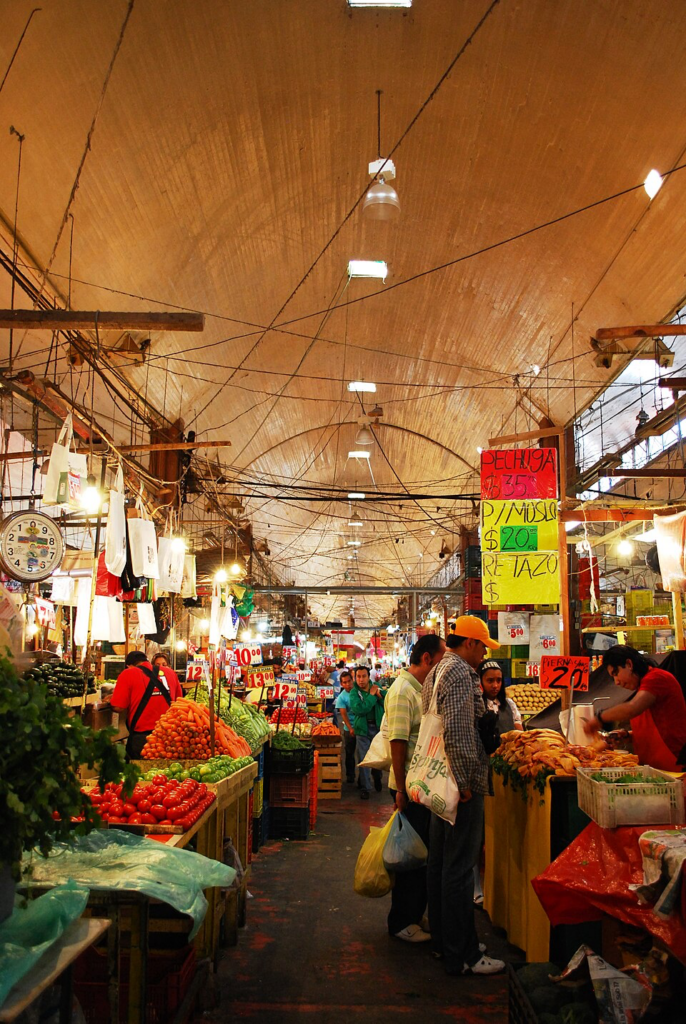

[1] Raphael Samuel, Theatres of Memory: Past and Present in Contemporary Culture (London: Verso, 1994), 15.

[2] “Public history” is the practice of doing history with and for the public. It seeks to share historical research beyond the academic sphere, promoting civic participation in the interpretation and use of the past.
Thomas Cauvin, Public History: A Textbook of Practice, 2nd Edition (London: Routledge, 2022), p. 4.

[3] MacGregor, Neil. A History of the World in 100 Objects. New York: Penguin Books, 2013 y Lucena Giraldo, Manuel. 82 objetos que cuentan un país: Una historia de España. Madrid: Taurus, 2015.

[4] José Araneda Riquelme y Kate Mills, «Un gorro sacerdotal (China, s. XVIII). Con Marina Torres. Ep. 3×05 (12/04/2022)», Con Marina Torres. Ep. 3×05 (12/04/2022), Las cosas tienen vida, s. f.; José Araneda Riquelme y Kate Mills, «Un documento de unos músicos indígenas (Paraguay, s. XVIII)», Con Laura Fahrenkrog. Ep. 2×02 (31/08/2021), Las cosas tienen vida, s. f.; Araneda Riquelme y Mills, «Un gorro sacerdotal (China, s. XVIII). Con Marina Torres. Ep. 3×05 (12/04/2022)».

[5] José Araneda Riquelme y Kate Mills, «Un Cojín (Ecuador, 1573)», Con Laura Paz Escala. Ep. 5×05 (16/05/2023), Las cosas tienen vida, s. f.

[6] José Araneda Riquelme y Kate Mills, «Una Magdalena en éxtasis (Perú, s. XVIII)», Con Rosario Granados. Ep. 4×01 (13/09/2022), Las cosas tienen vida, s. f; José Araneda Riquelme y Kate Mills, «Un Velázquez (España, 1632)», Con Cécile Vincent-Cassy. Ep. 9×07 (13/01/2026), Las cosas tienen vida, s. f.

[7] Serge Gruzinski, Las cuatro partes del mundo: historia de una mundialización (México: Fondo de Cultura Económica, 2010).

[8] Datos derivados de las estadísticas privadas que nos entrega nuestra plataforma de podcast “Buzzsprout”.

[9] Por ejemplo, el episodio “Una espada de Simón Bolívar” (temporada 4, episodio 9) analiza la espada del líder revolucionario Simón Bolívar. El veinte por ciento del total de descargas de este episodio proviene de Colombia, en particular de la región de Bogotá, donde actualmente se encuentra la espada.

José Araneda Riquelme y Kate Mills, «Una espada de Simón Bolívar (Colombia, s. XIX)», Con Juliana Ramírez Herrera. Ep. 4×09 (08/10/2022), Las cosas tienen vida, s. f.

[10] José Araneda Riquelme y Kate Mills, «Un fragmento de cerámica blanca (Perú)», Con Solsire Cusicanqui. Ep. 3×10 (17/05/2022)., Las cosas tienen vida, s. f.

[11] Marc Bloch, Apología para la historia o el oficio de historiador [1949] (México: Fondo de Cultura Económica, 2001).

Recent Posts

  • Beyond the Archive: Digital Histories and New Perceptions of the Past
  • Review of Malaria on the Move: Rural Communities and Public Health in Zimbabwe, 1890-2015 (2025)
  • Historia, ¿para quién? desde la radio pública en México
  • History—For Whom? From The Public Radio in Mexico
  • Beyond the Waters: Oral History and the Save Our Springs Movement of Late-Twentieth-Century Austin
NOT EVEN PAST is produced by

The Department of History

The University of Texas at Austin

We are supported by the College of Liberal Arts
And our Readers

Donate
Contact

All content © 2010-present NOT EVEN PAST and the authors, unless otherwise noted

Sign up to receive our MONTHLY NEWSLETTER

  • Features
  • Reviews
  • Teaching
  • Watch & Listen
  • About