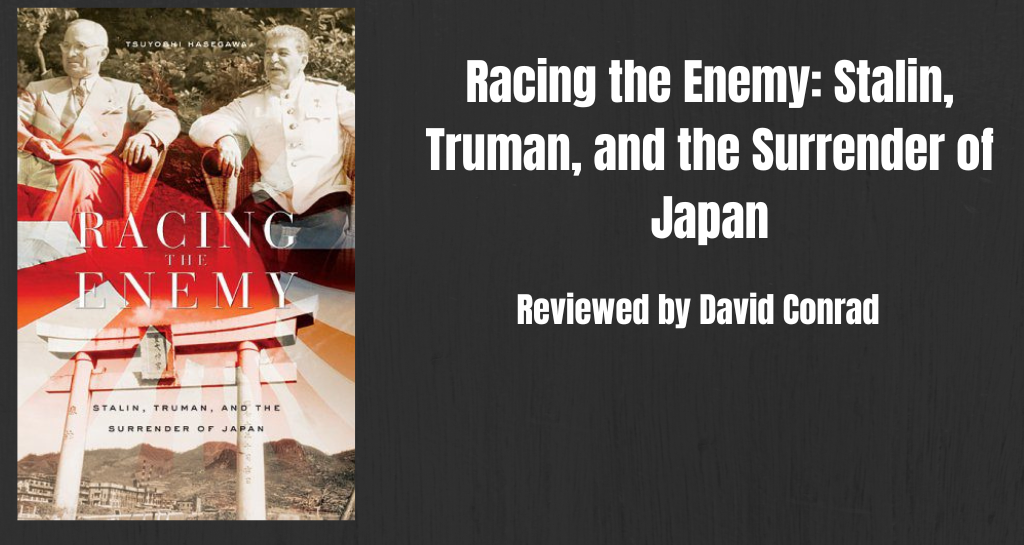
On August 6, 1945, the United States of America became the first (and so far only) nation to use atomic weapons against an enemy. Since then, the world has wrestled with questions about the bombings of Hiroshima and Nagasaki: Did the A-bombs save American and Japanese lives by hastening Japan’s surrender? Could the war have ended differently, with less loss of life? Did the U.S. hope to strike terror in Stalin’s heart as much as in Emperor Hirohito’s? How much did President Truman know about the bombs, and what did he think about their ethical implications?
These questions do not belong only to armchair generals and academics. They belong to all inhabitants of this world of nuclear proliferation. How do we find the answers to these important, emotional, divisive questions? How do we separate facts from convictions and recreate the events that led to the destruction of two Japanese cities, the loss of hundreds of thousands of lives, and the start of the Cold War?
For starters, we can read Tsuyoshi Hasegawa’s magnificent page-turner, Racing the Enemy. Hasegawa gives us a riveting, month-by-month, day-by-day, and even minute-by-minute narrative of the end of the war in the Pacific. The story that emerges is very much a global one. Hasegawa gracefully moves us from Washington to the Crimea, from Moscow to occupied Manchuria, from Tokyo to the Kuril Islands. His assiduous attention to detail—to the treachery of time zones, to diplomacy lost in translation, to treaties made and violated—puts us in the thick of momentous and terrifying events. Rival factions in the Japanese bureaucracy debate how to end the war with honor, Stalin plots territorial acquisition, and the U.S. government rejects diplomatic overtures in favor of an unprecedented show of force.
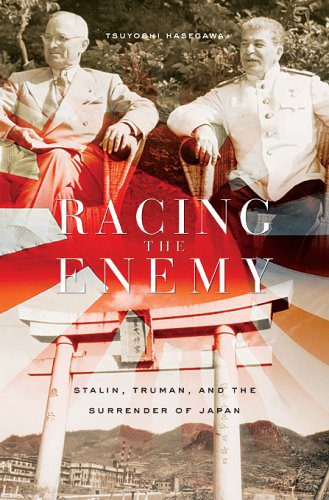
And what of the A-bombs? According to Hasegawa, Japan surrendered primarily due to the threat of Soviet invasion; the shared fate of Hiroshima and Nagasaki merely provided a palatable public rationale. The bombs signaled to Stalin that time was not on his side, and led him to hurriedly instigate the almost-forgotten final land battle of World War II. Truman could have profitably pursued a negotiated, conditional peace, but for political and personal reasons he tacitly supported the use of the weapons of mass destruction.
Racing the Enemy is high political drama grounded in Japanese, Soviet, and U.S. archival material. It will not be the final word on the end of the war, but it is a powerful and authoritative volume that all subsequent debate on the subject should reference. No one with even a passing interest in the Pacific theater, atomic warfare, or the early Cold War can afford to miss it.
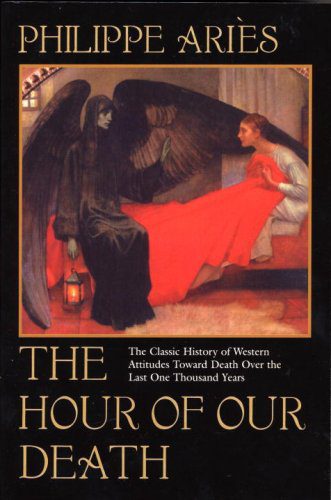 Philippe Ariès’ monumental work, The Hour of Our Death, was something of an exception, as it offers rare insight into European representations of death from the eleventh century to the twentieth. Beautifully written and admirably translated, the work takes the reader through a dizzying array of cemeteries, epic poems, and deathbeds to provide a view of the ever-evolving place of death in European society. After reading it, one will never look at death the same way again.
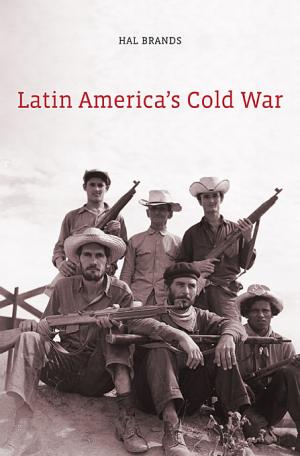 Based on prodigious research in a dizzying array of U.S., Latin American, and even East German archives, Brands’s work advances a trenchant interpretation that cannot be ignored. He argues that the origins of the chaos and instability that ravaged Latin America during the Cold War owed less to U.S. interventionism than to the prevailing confluence of local, regional, and global dynamics.
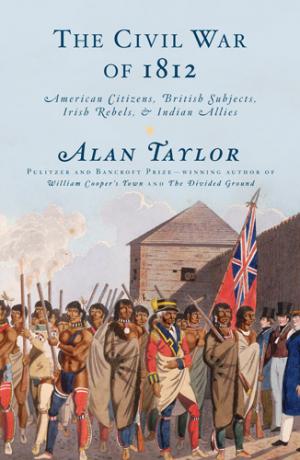 The British asserted that their empire’s subjects remained subjects for life, precisely when a stream of Irish people were migrating to the United States. Moreover, immigrants from the United States made up the majority of Upper Canada (present-day Ontario). Although the War of 1812 resulted in a stalemate from a diplomatic or military perspective, it gave closure to the contested border and resulted in the emergence of the United States and Canada as modern nation-states.
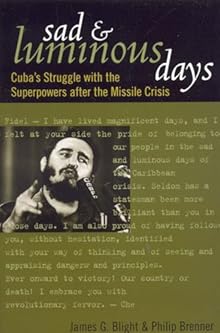 the extent to which the Cuban missile crisis increased U.S.-Soviet cooperation and discr
 first successful Marxist revolution just ninety miles away from U.S. shores. Driven by a sense of Third World, post-colonial comradery, Cuban guerrillas staged socialist interventions in Africa in the name of Marxism and anti-imperialism. This book’s depiction of their successes and failures, coupled with Soviet and American reactions to such brazen undertakings, makes for a refreshing literary adventure in Cold War international history.