Digital History: A Primer (Part 2)
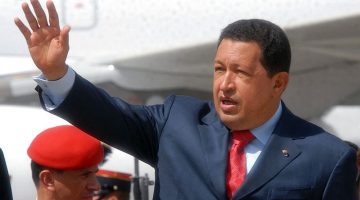
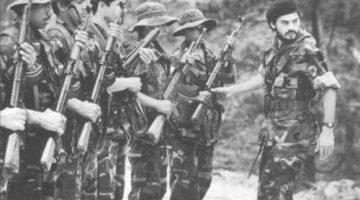
Por Ahora: The Legacy of Hugo Chávez Frías

Chávez was an outsized, divisive, and complicated figure who aroused passions on both left and right throughout his fourteen years in power. To his supporters, Chávez was a symbol of Latin American independence and revolution.To his detractors, he was a “strongman” and a “dictator,” an enemy of free enterprise and democracy who consolidated political power in his Bolivarian Revolution and repressed his opposition.
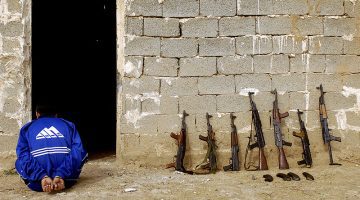
Was Iraq War Worth It? 10 Years after Invasion, It’s Too Early to Know

What might a future national monument to the Iraq war look like? This month marks 10 years since that conflict began on March 20, 2003. From a decade on, we can only begin to see how future historians and future generations will interpret the war and what questions they will ask. For now, Americans seem inclined to put it behind them.
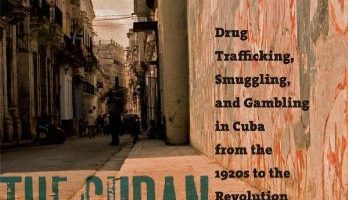
The Cuban Connection by Eduardo Saénz Rovner (2008)
The Eclipse of the Century: A Story of Science, Money, and Culture in Saharan Africa and the American Southwest
Perestroika: Deadly Reform for an Unstable State
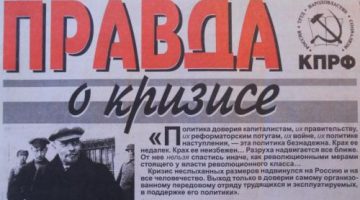
Debating Bolshevism

While even Stalin questioned the relevance of the term in as late as 1952, one glance at primary and secondary literature from across the globe during the twentieth century demonstrate that while the term may seem obsolete now, understanding what Bolshevism meant, how it was used, and why people had such strong reactions to it is crucial to understanding twentieth century history.
Narco-Modernities

Drug trafficking - especially as it pertains to Mexico - has been a main fixture in today’s news for some time now. But UT graduate student Edward F. Shore argues that the violence, disorder, and political, social, and economic instability associated with the drug trade has a long history, and one that has had international repercussions.