“12 Years a Slave” and the Difficulty of Dramatizing the “Peculiar Institution”

The challenge of informing an inquisitive American public about the nation’s own two-hundred year old tragedy—slavery—has not fallen squarely on the shoulders of historians and other scholars. Artists, and particularly filmmakers, have played a central role in helping the larger public grapple with the horrors and indeed, aftershocks of human bondage.
Stalin’s Genocides by Norman Naimark (2011)

Stalin’s Genocides provides an in-depth analysis of the horrendous atrocities -- forced deportations, collectivization, the Ukrainian famine, and the Great Terror -- perpetrated by Joseph Stalin’s tyrannical regime. Norman Naimark argues that these crimes should be considered genocide and that Joseph Stalin should therefore be labeled a “genocidaire.”
Good-Bye to All That: An Autobiography by Robert Graves (1929)

Reflecting on his motives for joining the Royal Welch Fusiliers at the outbreak of the First World War, Robert Graves wrote: “I thought that it might last just long enough to delay my going to Oxford in October, which I dreaded.” So began a five year pause in Graves’ life, in which the main action of his autobiography unfolds.
Winner of Spring 2013 Essay Contest: Survival in Auschwitz by Primo Levi (1956)
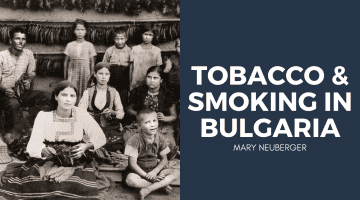
Mary Neuburger on Tobacco & Smoking in Bulgaria

The global history of tobacco—the weed that captured the hearts, minds, and imaginations of so many in the twentieth century—has been told in splendid and enlightening detail. Historians have delved into the stark economic, political, and social implications of the production, consumption, and exchange of this commodity in various national contexts, most notably the United States.