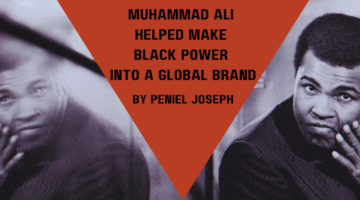
Muhammad Ali Helped Make Black Power into a Global Brand

Muhammad Ali did not simply choose to be a cultural icon. He was also chosen. Elevated by unsurpassed boxing skills and athletic prowess to become heavyweight champion of the world, Ali transcended sports through radical political activism that has, with the passage of time, been largely smoothed of its rough edges.
Great Books on Women’s History: United States

Not Even Past asked the UT Austin History faculty to recommend great books for Women’s History Month. The response was overwhelming so we will be posting their suggestions throughout the month. Here are some terrific book recommendations on women and gender in the United States. Penne Restad recommends: Jill Lepore, The Secret History of Wonder Woman (2014). […]
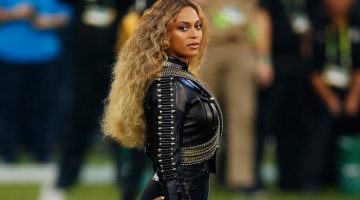
Beyoncé as Historian: Black Power at the DPLA

Edward Shore revisits the controversy surround Beyoncé's Super Bowl 50 halftime show that paid tribute to #BlackLivesMatter and the Black Panthers. He uses Digital Public Library of America (DPLA) primary source sets to contextualize Beyoncé's message of protest and to explore the history of slavery, Jim Crow, and the Black Power Movement.
History TAs on Learning to Teach

Even the most gifted teachers had to learn how to teach history and most of us needed a lot of help getting started. This month Not Even Past asked graduate students to reflect on their first teaching experiences as Teaching Assistants in History classes. They responded with insight, humor, and even a little hard won wisdom. Reflections here by Chloe Ireton, Cacee Hoyer, Jack Loveridge, Cameron McCoy, and Elizabeth O'Brien.
Magical Realism on Drugs: Colombian History in Netflix’s Narcos

Seen through the eyes of Steven Murphy, the DEA agent whose voice-over narrates the new Netflix series Narcos, Colombia appears to viewers all over the world as a land of sicarios (hired young assassins), putas (whores), and malparidos (the fucked-up). In short, Colombia becomes the quintessential Macondo of Gabriel Garcia Marquez.
#Blacklivesmatter Till They Don’t: Slavery’s Lasting Legacy
Texas is Adopting New History Textbooks: Maybe They Should Be Historically Accurate
International History and the Global United States: More to Read
You Say You Want a Revolution? Reenacting History in the Classroom

Two students stand back-to-back in the center of the room. At my signal, they step in opposite directions, turn, and shoot. Afterward, one crumples to the floor dead while the rest of the class erupts in cheers of glee or howls of outrage. This scene took place in my classroom last fall. My students were all “in character,” acting the part of the historical figures.