The Emancipation Proclamation reaches Savannah

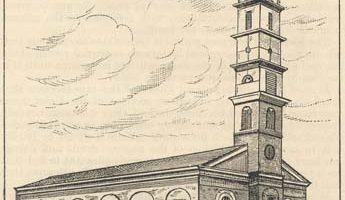
December 31, 1862 fell on a Wednesda, and that night members of Savannah’s First African Baptist Church held their traditional New Year’s Eve “watch meeting.” Each year members of the congregation gathered on this night to welcome the new year and to ask for God’s blessing on the city’s African-American community. Such "watch meetings" or "watch night" services were held all over the country, linking African Americans in Savannah with communities in Richmond, New York, Boston and elsewhere. After a year and a half of a bloody civil war, the community in Savannah consisted of about 10,000 enslaved men and women, 1,000 free people of color, and several hundred enslaved workers brought from all over the state of Georgia to dig trenches and otherwise toil at the direction of Confederate military authorities.
1863 in 1963

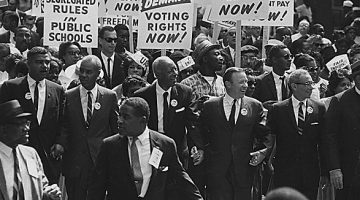
While 2013 marks the sesquicentennial of Lincoln’s 1863 Emancipation Proclamation, this year also marks the 50th anniversary of the 1963 March on Washington, the most famous event of the Civil Rights Movement, made so by the continual remembrance of Dr. Martin Luther King Jr.’s “I Have a Dream” speech. In the five decades since the March, many people have forgotten or fail to realize the tremendous meaning that the 100th anniversary of the Emancipation Proclamation bore for the Civil Rights Movement in the 1960s.
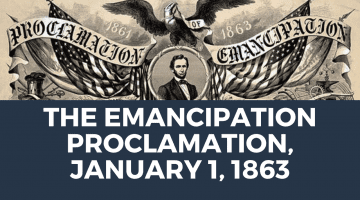
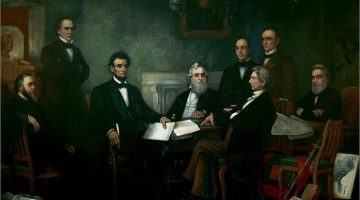
The Emancipation Proclamation, January 1, 1863
A Historian Views Spielberg’s Lincoln (2012)

Steven Spielberg’s latest historical drama chronicles the 16th President’s final months and the struggle for passage of the 13th Amendment by the House of Representatives. Despite the excellent performances turned in by the star-studded cast, "Lincoln" has a number of shortcomings from the historian’s point of view.
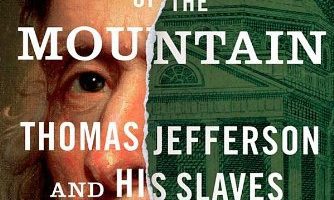
Henry Wiencek Sr on Thomas Jefferson, Slave owner

“No founding father wrote more eloquently on behalf of liberty and human rights than Thomas Jefferson, and none has a more troubling record when it comes to the “peculiar institution” of slavery. At present, the popular understanding of Jefferson’s shilly-shallying on this issue doesn’t extend much deeper than knowing smirks about Sally Hemings and the (unacknowledged) children Jefferson fathered with her. We tend to assume that the dirtiest secrets of the past have to do with sex. But, as Henry Wiencek explains in his new book, “Master of the Mountain: Thomas Jefferson and His Slaves,” the real filth is in the ledger books.”
History is Messy Work. And That’s OK.

“The Cause of Her Grief” is an article by Wendy Anne Warren that was published in the March 2007 issue of The Journal of American History. There are many reasons to like this article but more than anything else Warren’s honesty in trying to tell this story is poignant and powerful. Much of the article consists of questions. Warren is open about the gaps in our knowledge when it comes to topics like this. At the end she says, “At some point every historian decides how to frame her argument: I deliberately chose a method that makes visible gaps in my evidence.”
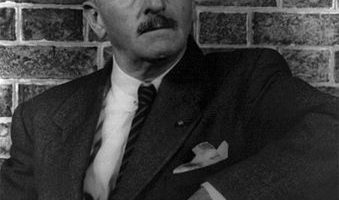
William Faulkner: Not Even Past
Texans at Antietam: 150 Years Ago Today
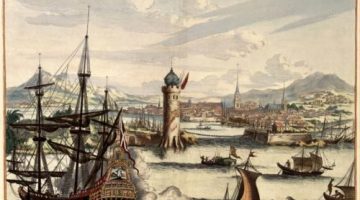
“Captive Fates: Displaced American Indians in the Southwest Borderlands, Mexico, and Cuba, 1500-1800.”

Between 1500 and 1800, Spaniards and their Native allies captured hundreds of Apache Indians and members of neighboring groups from the Rio Grande River Basin and subjected them to a variety of fates. They bought and sold some captives as slaves, exiled others as prisoners of war to central Mexico and Cuba, and forcibly moved others to mines, towns, and haciendas as paid or unpaid laborers.