• New
  • Features
  • Reviews
  • Texas
  • Teaching
  • Digital
  • Watch & Listen
  • Authors
  • About

The past is never dead. It's not even past

Not Even Past

The Atomic Bombs and the End of World War II: Tracking an Elusive Decision

by Bruce Hunt

In what amounted to the last act of World War II, US forces dropped an atomic bomb on the Japanese city of Hiroshima on August 6, 1945, and another on Nagasaki three days later. Ever since, controversy has swirled around the decision to drop those bombs and annihilate those two cities. But exactly who made that decision, and how did it come about? Conventionally, of course, the decision is ascribed to President Harry Truman, but there is in fact very little documentary evidence that he ever made an affirmative decision to drop the bombs. Instead, the most that can be said with certainty is that he did not intervene to stop a process that had already acquired enormous momentum even before he became president on Franklin Roosevelt’s death in April 1945.
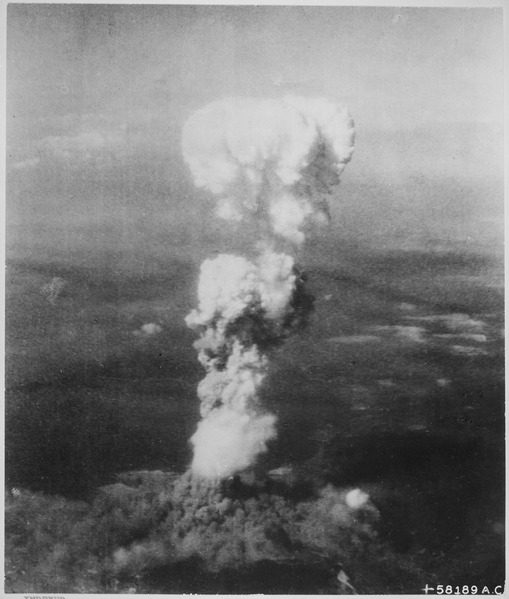
At_the_time_this_photo_was_made2C_smoke_billowed_202C000_feet_above_Hiroshima_while_smoke_from_the_burst_of_the_first_atom_-_NARA_-_542192Remarkable collections of primary documents, now readily available online, shed substantial light on the story of the development and use of the first atomic bombs. Two of the best collections are those maintained by the National Security Archive and by the Truman Library. On the NSA website, for instance, we find a long report General Leslie Groves, the head of the Manhattan Project, prepared for Secretary of War Stimson. The meeting on April 25, 1945, at which Groves and Secretary of War Henry Stimson delivered the gist of this report to Truman was the first time the new president was given more than the barest hint about the new weapons that had been in development, at enormous expense, for the past three and a half years. Groves’s memo gives a fairly full account of how atomic bombs would work and of the prospects that they would be ready to in less than four months. How much of all this, or of the shorter memo Stimson prepared, Truman really absorbed is not clear, but by the time the first plutonium implosion bomb was detonated in the New Mexico desert on July 16, 1945, Truman had certainly grasped that such bombs might play a pivotal role in ending the war with Japan, as well as in postwar relations with the Soviet Union.
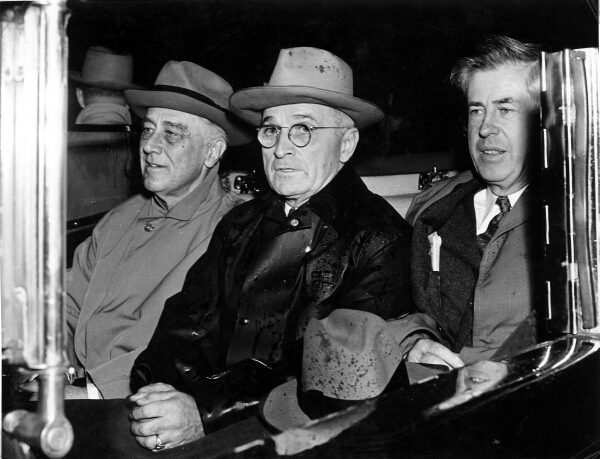
Roosevelt_Truman_WallaceIn their effort to find the moment when Truman made “the great decision” to use atomic bombs against Japan, several historians have latched onto a memo (posted on the Truman Library website) that Stimson sent to Truman on July 30, 1945, and have focused in particular on the reply Truman scrawled on its back. “Suggestions approved,” he wrote.”Release when ready but not sooner than August 2. [signed] HST.” In his well known biography Truman (1992), David McCullough declared that “The time had come for Truman to give the final go-ahead for the bomb. This was the moment, the decision only he could make.” But examination of Stimson’s memo shows clearly that it was not about getting approval to release the bombs over Japan, but only about releasing a carefully crafted public statement to the press once the first bomb had been dropped. Approving a press release appears to be the closest President Truman ever came, at least in writing, to making a positive decision concerning the first use of nuclear weapons.
500px-Nagasaki_1945_-_Before_and_after_28adjusted29Photo Credits:

At the time this photo was made, smoke billowed 20,000 feet above Hiroshima while smoke from the burst of the first atomic bomb had spread over 10,000 feet on the target at the base of the rising column.Two planes of the 509th Composite Group, part of the 313th Wing of the 20th Air Force, participated in this mission, one to carry the bomb, the other to act as escort, 08/06/1945, Author Unknown, National Archives and Records Administration
President Roosevelt, Vice-President-elect Truman, Vice-President Wallace, by Abbie Rowe, Truman Library
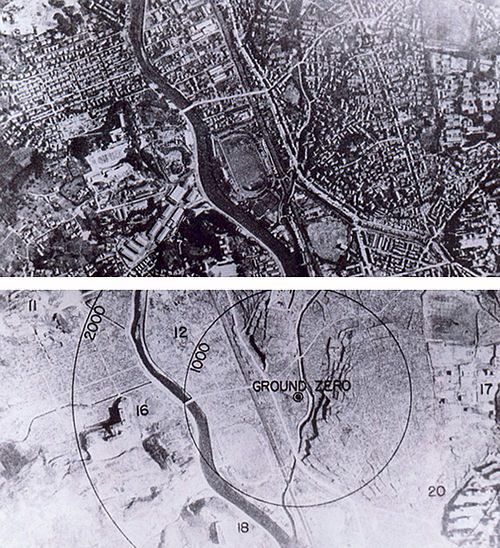
Nagasaki, Japan, before and after the atomic bombing of August 9, 1945, U.S National Archives
All via Wikimedia Commons
The “Einstein Letter” — A Tipping Point in History

by Michael B. Stoff

On a mid-July day in 1939, Albert Einstein, still in his slippers, opened the door of his summer cottage in Peconic on the fishtail end of Long Island. There stood his former student and onetime partner in an electromagnetic refrigerator pump, the Hungarian physicist Leo Szilard, and next to him a fellow Hungarian (and fellow physicist), Eugene Wigner. The two had not come to Long Island for a day at the beach with the most famous scientist in the world but on an urgent mission. Germany had stopped the sale of uranium from mines in Czechoslovakia it now controlled. To Szilard, this could mean only one thing: Germany was developing an atomic bomb.

Szilard wanted Einstein to write a letter to his friend, Queen Mother Elisabeth of Belgium. The Belgian Congo was rich in uranium, and Szilard worried that if the Germans got their hands on the ore, they might have all the material they needed to make a weapon of unprecedented power. First, however, he had to explain to Einstein the theory upon which the weapon rested, a chain reaction. “I never thought of that,” an astonished Einstein said. Nor was he willing to write the Queen Mother. Instead, Wigner convinced him to write a note to one of the Belgian cabinet ministers.

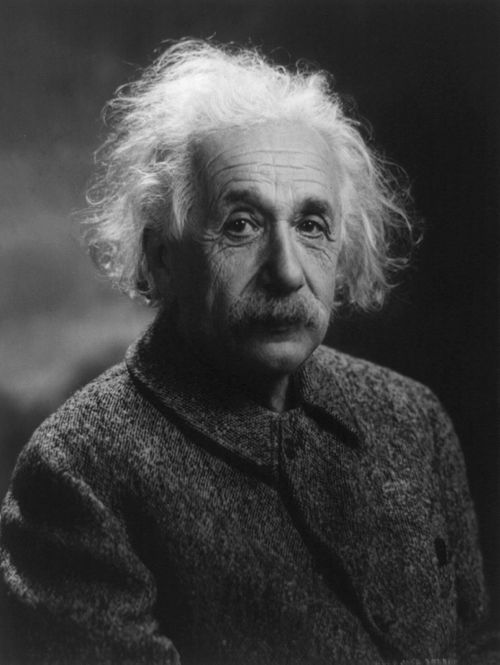
500px-Albert_Einstein_1947Pen in hand, Wigner recorded what Einstein dictated in German while Szilard listened. The Hungarians returned to New York with the draft, but within days, Szilard received a striking proposal from Alexander Sachs, an advisor to President Franklin Roosevelt. Might Szilard transmit such a letter to Roosevelt? A series of drafts followed, one composed by Szilard as he sat soaking in his bathtub, another after a second visit to Einstein, and two more following discussions with Sachs. Einstein approved the longer version of the last two, dated “August 2, 1939,” and signed it as “A. Einstein” in his tiny scrawl.

The result was the “Einstein Letter,” which historians know as the product not of a single hand but of many hands. Regardless of how it was concocted, the letter remains among the most famous documents in the history of atomic weaponry. It is a model of compression, barely two typewritten, double-spaced pages in length. Its language is so simple even a president could understand it. Its tone is deferential, its assertions authoritative but tentative in the manner of scientists who have yet to prove their hypotheses. Its effect was persuasive enough to initiate the steps that led finally to the Manhattan Project and the development of atomic bombs.

Stripped of all jargon, the letter cited the work of an international array of scientists (“Fermi,” “Joliot,” “Szilard” himself), pointed to a novel generator of power (“the element uranium may be turned into a new and important source of energy”), urged vigilance and more (“aspects of the situation call for watchfulness and, if necessary, quick action”), sounded a warning (“extremely powerful bombs of a new type may thus be constructed”), made a prediction (“a single bomb of this type, carried by boat and exploded in a port, might very well destroy the whole port together with the surrounding territory”), and mapped out a plan (“permanent contact between the Administration and the group of physicists working on chain reactions in America . . . and perhaps obtaining the co-operation of industrial laboratories”). A simple conclusion, no less ominous for its understatement, noted what worried the Hungarians in the first place: “Germany has actually stopped the sale of uranium from the Czechoslovakian mines which she has taken over.”

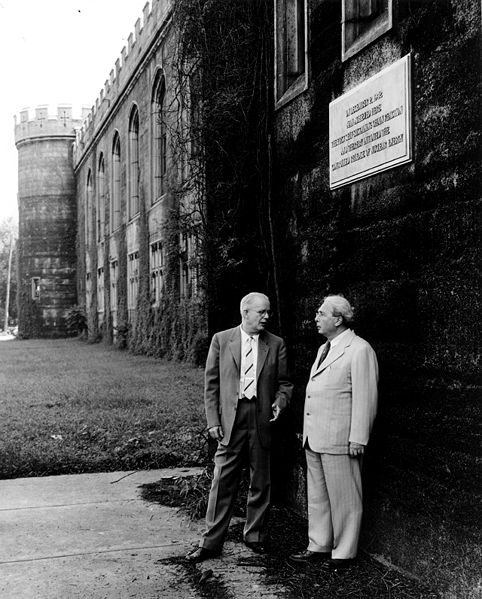
Szilard_and_Hilberry_0Looking back at the letter, aware of how things actually turned out, we can appreciate its richness. For one thing, it shows us a world about to pass from existence. Where once scientific information flowed freely across national borders through professional journals, personal letters, and the “manuscripts” to which the letter refers in its first sentence, national governments would now impose a clamp of secrecy on any research that might advance weapons technology. The letter also tells us how little even the most renowned scientists knew at the time. No “chain reaction” had yet been achieved and no reaction-sustaining isotope of uranium had been identified. Thus the assumption was that “a large mass of uranium” would be required to set one in motion. No aircraft had been built that could carry what these scientists expected to be a ponderous nuclear core necessary to make up a bomb, so the letter predicts that a “boat” would be needed to transport it.

More than the past, the letter points to the shape of things to come. Most immediately, it shows us that the race for atomic arms would be conducted in competition with Germany, soon to become a hostile foreign power. And in the longer term, of course, the postwar arms race would duplicate that deadly competition as hostility between the United States and the Soviet Union led them to amass more and more nuclear weapons. The letter also presents us with nothing less than a master plan for what became the Manhattan Project, the first “crash program” in the history of science. After the war, other crash programs in science—to develop the hydrogen bomb; to conquer polio; to reach the moon; to cure cancer—would follow. Finally, by stressing the entwining of government, science, and industry in service of the state, the letter foreshadows what Dwight Eisenhower later called “the military-industrial complex.”

In the end, the “Einstein Letter” is a document deservedly famous, but not merely for launching the new atomic age. If we read it closely enough, it gives us a fascinating, Janus-faced look at a tipping point in history, a window on a world just passing and one yet to come, all in two pages.

You can read the letter in its entirety here.

Related stories on Not Even Past:
The Normandy Scholar Program on World War II
Review of The Atom Bomb and the Origins of the Cold War
Review of Churchill: A Biography
Review of Racing the Enemy: Stalin, Truman, and the Surrender of Japan
Bruce Hunt on the decision to drop the atomic bomb on Japan

Photo Credits:
Albert Einstein, 1947, by Oren Jack Turner, The Library of Congress via Wikimedia Commons
Dr. Norman Hilberry and Dr. Leo Szilard (right) stand beside the site where the world’s first nuclear reactor was built during World War II. Both worked with the late Dr. Enrico Fermi in achieving the first self-sustaining chain reaction in nuclear energy on December 2, 1942, at Stagg Field, University of Chicago. U.S. Department of Energy via Wikimedia Commons

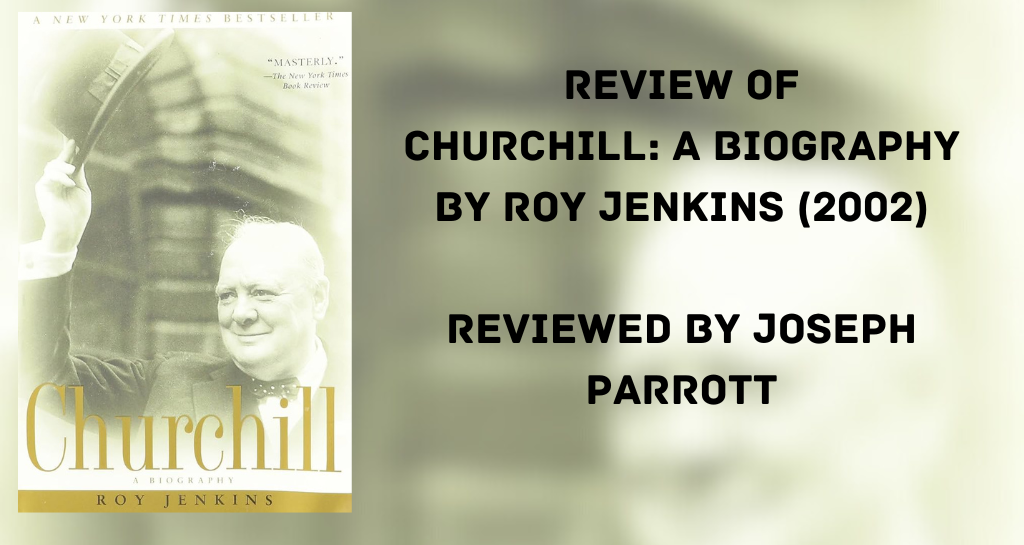
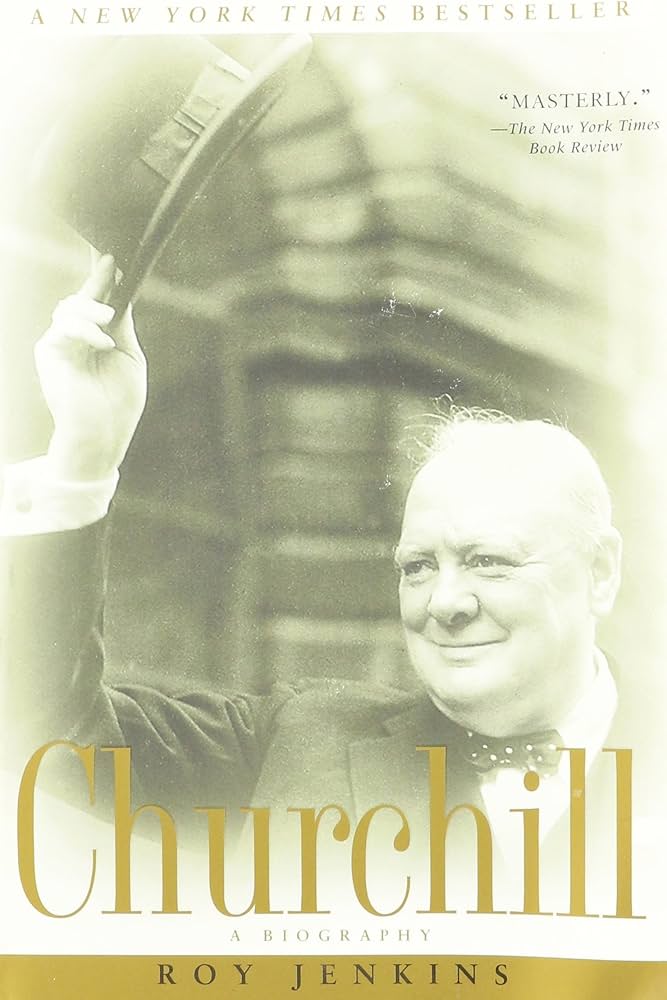
Churchill: A Biography by Roy Jenkins (2002)

After a long career among both politicians and literary lights, Roy Jenkins perhaps found his ideal subject in his last great biography, Churchill. Fans of the reputation-blackening revisionism common to the genre will find little to love in this laudatory account. The political battles and courageous stands that typified Churchill take center stage over more personal details, though his literary achievements provide a constant subtheme. A former Labour Home Secretary and Chancellor of the Exchequer, Jenkins brings an unparalleled level of Parliamentary knowledge to the recounting of his subject’s long political career. As a result, Churchill stands as not just a biography of an almost mythic figure but also a fascinating account of rough and tumble British politics from the end of the Victorian era to the dawn of the Cold War.

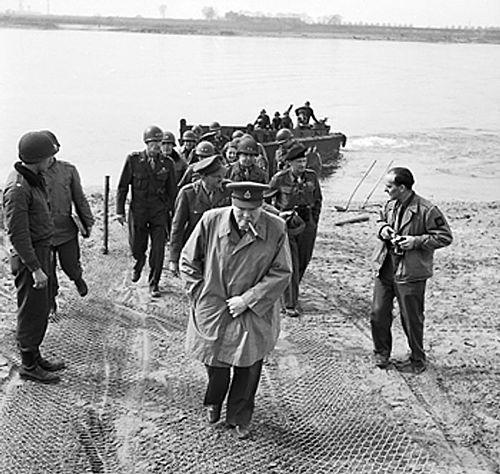
Jenkin’s depiction encompasses the whole of his subject’s extended and exciting life. The author ably navigates the uneven waters of Churchill’s early years, from his daring escape from an enemy prison during the Boer War to his role behind the disastrous Gallipoli raid in World War I. According to Jenkins, the young Member of Parliament (MP) attained high rank in governments under two parties despite repeated blunders because “He was too good a trumpet and too dangerous an adversary” to be omitted. Characteristic energy and outspokenness explain Churchill’s meteoric rise, but his impulsive style and conventional, imperialist sympathies led to marginalization when he failed to adapt to the dynamic politics of interwar England. During these “wilderness years,” Churchill bucked the pro-Chamberlain mood of the nation with calls for a more aggressive response to German rearmament. Such opinions, while contentious at the time, helped position the maverick politician for his return to power at the beginning of World War II. In this congruence of events, Jenkins finds the promise of Churchill’s personality and political career realized. The new prime minister’s strategic mind, Edwardian optimism, disdain for unnecessary slaughter, and enthusiasm for combat made him “the perfect man for 1940 and 1941.” The generous depiction of the wartime years clearly recounts the important political debates that helped define allied strategy, but it also makes room for amusing anecdotes – including Churchill’s use of a golden bathtub after his triumphal arrival in liberated Paris.

image

The biography examines the Cold War largely as a dénouement after the triumph of the mid-1940s, but Jenkins provides an interesting discussion of the politician’s preoccupation with nuclear weapons and his ambiguous approach to European unification. Thorough and expansive in scope, Churchill serves as a panoramic view of the first half of the twentieth century through the eyes of one of its most famous and colorful figures.

Erudite, astute, and clearly written, Jenkins’ work stands as a model for the epic life story. The biography excludes few details, but even the most complicated and tedious aspects of policymaking– including the balancing of the British budget – appear contentious and exciting in the author’s able hands. Jenkins invests his work with a level of dynamism and historical importance from its very first page, demonstrating how Winston Churchill’s life served to prepare him for the role of wartime leader. The result is a sterling biography of a truly impressive personality, whom Jenkins glowingly describes “as the greatest human being to ever occupy 10 Downing Street.”

Photo credit:

Churchill on the East Bank of the Rhine, south of Wesel, Morris (Sgt), No 5 Army Film & Photographic Unit, Imperial War Museum Collection, via Wikimedia Commons


Gunter Demnig’s “Stumbling Blocks”

by David Crew

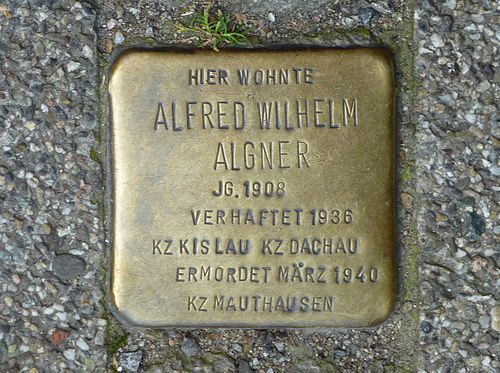
“Stumbling blocks” (in German, Stolpersteine) are unobtrusive reminders of the Nazi past.

These small squares of concrete (about 4 x 4 inches), covered with a thin brass plate, are embedded in the sidewalks of Berlin and hundreds of other German cities, as well as locations in other European countries. Each of these stones bears a simple inscription giving the name of an individual victim of the Nazi dictatorship who lived in the house or building in front of which the stone has been set as well as details about this individual’s fate. Most of the victims are Jewish but these stones also draw attention to the fate of Sinti and Roma, gay men and women, mentally or physically handicapped people, Jehovah’s witnesses, political opponents of the Nazis, and German soldiers who deserted at the end of the war.

500px-Alfred_Wilhelm_Algner-StolpersteinThese “stumbling blocks” are the result of a project started by a Cologne artist, Gunter Demnig, in the 1990s. Demnig wanted to bring the Nazi past out of the museum into the neighborhood and into the everyday lives of Germans and other Europeans. He thought the stones would encourage ordinary citizens to realize that Nazi persecution and terror had begun on their very doorsteps. By “stumbling” over the Nazi past of their own hometowns (metaphorically, not literally; the stones are actually not raised above the level of the surrounding pavement), ordinary citizens would be challenged to think about what it meant to live where victims of the Nazis had once also gone about their everyday lives. Inscriptions are short and can be brutal; one in Berlin reads “Paula Davidsohn (maiden name Katz) lived here. Born in 1905. Deported to Theresienstadt 1943. Murdered in Auschwitz.”

500px-Stolperstein-Putzen_04Demnig’s project asks Germans to take an active role in the reconstruction of the Nazi past of their own cities and localities. Demnig sets stumbling stones in the pavement only on the invitation of local organizations or groups of citizens who have developed an interest in his project and who have researched the histories of the victims who are to be remembered with these stones. Placing these stumbling stones has sometimes provoked controversy. Some homeowners argue that a stone in front of their property may lower its value, a few city governments have refused to give the necessary permission, and some Jews have questioned whether stepping on the names of the victims is an appropriate way to remember them. Yet, Demnig’s project is constantly expanding.  In a recent YouTube clip, Demnig claims to have now set more than 23,000 stones in over 500 German communities. “Stumbling Blocks” has also become a European project; examples of this “decentralized monument” can now be found not only in Germany, but also in Austria, Belgium, the Czech Republic, Hungary, Italy, the Netherlands, Norway, Poland and Ukraine.

Compare the stumbling blocks to other Holocaust memorials:

Memorial to the Murdered Jews of Europe

Information Portal to European Sites of Remembrance

 Photo Credits

Stumbling block commemorating Alfred Wilhelm Algner
James Steakley, via Wikimedia Commons
Students cleaning the stumbling blocks
Sigismund von Dobschütz, via Wikimedia Commons

Changing Course in Vietnam — or Not

by Mark Atwood Lawrence

Democratic governments often have a hard time changing their minds, as recent U.S. decision-making about Iraq and Afghanistan has made clear.  Even when the United States encountered monumental frustrations and setbacks, Washington kept fighting, adjusting its strategy and tactics but not its overall goals or the assumptions that underpinned them.  To withdraw from either country before achieving stated U.S. objectives would, the Bush and Obama administrations agreed, expose the United States to national-security risks.  Both administrations surely also feared the domestic political consequences of failing to achieving U.S. goals after thousands of Americans had already died in the effort.

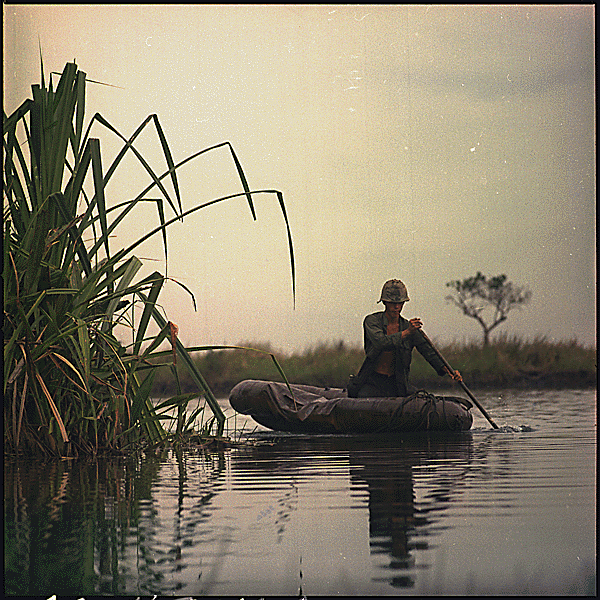
US-army-private-paddling-assault-boat-in-Vietnam_0So it was more than forty years ago, when U.S. officials responded to setbacks in Vietnam not by rethinking their goals or assumptions but by affirming their commitment to the war and, for a time, increasing the number of U.S. troops.  Indeed, the vast documentary record of the Vietnam War makes abundantly clear that American leaders rarely revisited the fundamental assumptions that guided their decisions to escalate U.S. involvement.

A rare exception was an extraordinary study written by the Central Intelligence Agency in September 1967.  By that time, the United States had encountered virtually all of the problems that would eventually doom its war effort in Vietnam.  While Lyndon Johnson and his top advisers remained adamant that the United States would suffer intolerable geostrategic reverses if it failed to press on to victory, the CIA report suggested otherwise.

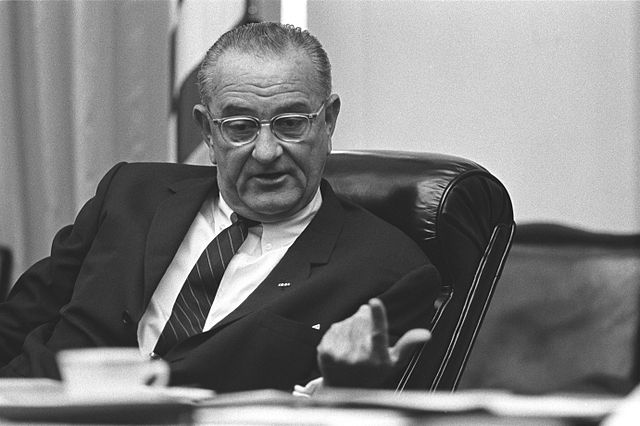
640px-Lyndon_B_0Nations would not fall to communism like a row of dominos if the North Vietnamese won, it insisted.  The U.S. reputation for anticommunist resolve would not be forever destroyed.  And the Soviets and Chinese would not go on an anti-U.S. rampage around the globe.  In short, the study insisted, “such risks are probably more limited and controllable than most previous argument has indicated.”

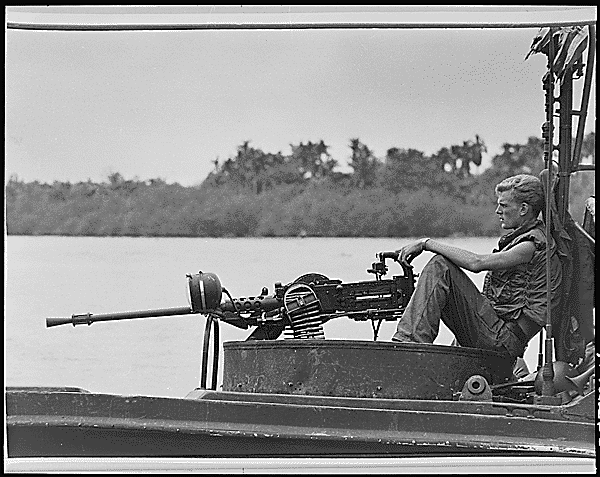
US_river_patrol_boat_in_Vietnam_0It is hardly surprising that President Johnson ignored the CIA’s position and continued to escalate the war.  The study, while extraordinary, was just a drop in the ocean of memos and reports that passed through the Oval Office, many of them suggesting that U.S. objectives were still obtainable.  And the prospect of winding down the U.S. commitment was no doubt deeply distasteful to a president who had invested a huge amount of his personal and political capital in waging war in Vietnam.  Yet the document stands out nevertheless for the clarity and prescience with which it saw beyond preoccupations of the moment and questioned the conventional wisdom that had led the United States to make a gigantic commitment to a small, distant, and impoverished land.  It reminds us, at a minimum, of the value of taking the long view and asking whether the expenditure of resources corresponds to U.S. interests broadly conceived.

Read the original study: “Implications of an Unfavorable Outcome in Vietnam,” dated September 11, 1967

Related Reading:

Mark Atwood Lawrence, The Vietnam War: A Concise International History (2010)

Fredrik Logevall, Choosing War:  The Lost Chance for Peace and Escalation of War in Vietnam (2001)

Tim Weiner, Legacy of Ashes: A History of the CIA (2008)

A longer version of this essay: “The Consequences of Defeat in Vietnam”

Photo Credits:
Paddler: A US. Medic paddles a three-man assault boat down a canal during Operation Tong Thang (1968). By Department of Defense. Department of the Army. Office of the Deputy Chief of Staff for Operations. U.S. Army Audiovisual Center. (ca. 1974 – 05/15/1984) (U.S. National Archives, ARC Identifier 530622) [Public domain], via Wikimedia Commons
LBJ: By Yoichi R. Okamoto [Public domain], via Wikimedia Commons
Gunner: A U.S. Navy river patrol boat crewman maintains vigilance at the .50-caliber machine gun during the boat’s day-long patrol on the Go Cong River (1967). By R.D. Moeser, JOC, U.S. Navy [Public domain], via Wikimedia Commons 

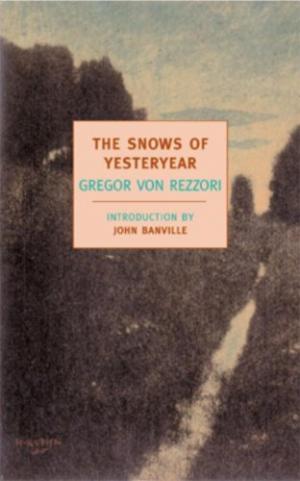
The Snows of Yesteryear by Gregor Von Rezzori (2008)

by Tatjana Lichtenstein

A swarm of plump and colorful waxwings are feasting on rowanberries.  Suddenly, a shot rings out.  “A good dozen of the birds tumble from the fruit clusters down into the snow amidst fallen berries and drops of blood.  Who can tell whether the survivors will ever return?” With this scene Gregor von Rezzori begins his memoir of a boyhood in Czernowitz, a city that in the course of the twentieth century was variously located in the Austro-Hungarian Empire, Romania, the Soviet Union, and today’s Ukraine.  A sense of irretrievable loss and dislocation, amid images of beauty and destruction, are central themes in this intimate story of the disappearance of Habsburg Europe.

Born on the eve of the First World War, Gregor von Rezzori grew up in a family that, much like his hometown, was profoundly shaken by the collapse of Austria-Hungary.  Czernowitz, the capital of the region known as Bukovina, was one of the empire’s most eastern outposts.  Nevertheless, it was known as “Little Vienna” due to its vibrant cultural life and architecture.  This was a city shared by Jews, Orthodox Christians, and Catholics, in which a multiplicity of languages could be heard.  A place that, through the eyes of young Gregor, was deeply connected both to the land around it and to the imperial capital Vienna.

41vZoeCR3pLVon Rezzori’s parents belonged to the city’s German-speaking elite.  His father was an Austrian public servant in charge of inspecting the province’s Orthodox monasteries, a position he used ostensibly to indulge his passion for hunting on the large estates owned by the Church.  An inattentive husband living well beyond his means and with little patience for domestic traditions and social norms, he saw his fatherly duties as limited to raising his son as a huntsman.  His high spirits and love of life stood in stark contrast to his wife’s demeanor.  Von Rezzori’s mother, frustrated by a life that didn’t conform to her sense of stature nor her expectations of domestic bliss, escaped their home in Czernowitz to spas and health resorts as far away as Egypt.  If weak health had been a pretext for her earlier absences, as a mother of two, she became obsessed with illnesses, smothering her children, Gregor and his older sister Lisa, with overprotection and anxiety.  In von Rezzori’s world, parents set expectations.  The nurturing, however, was done by others: his peasant nurse Cassandra, known in the household as “the savage one,” and later by Bunchy, his worldly and cheerful governess.

The memoir is deeply personal, organized around stories of family members rather than chronology.  Its locus is Czernowitz in the years following the First World War when the old order has collapsed.  Although its inhabitants were now Romanian subjects, life in some ways went on as it had before.  However, the gradual crumbling of the world of Austria-Hungary manifested itself in the anxieties that filled his boyhood home.  His parents—reduced from social, cultural and political elites to relics of the old order—divorce, thereby adding new layers of uncertainty.  Gregor’s mother, for example, seeks to uphold her family’s elite stature even as its social foundations disappear.  She does so by quarantining her son in the house and garden, thereby protecting him from the contamination that was sure to result from play with other children or from venturing out into the world beyond the yard fence.  His father, whose pension vanishes with the Austrian state, retreats to live and hunt among Transylvanian Saxons, a German-speaking minority in Romania’s north.

Although infused with a sense of dislocation, von Rezzori’s recollections are at the same time intensely rooted in the city’s streets and squares, its sounds and smells, in the landscapes that surrounded it, and in its rich mixture of peoples and cultures.

Gregor von Rezzori eventually left Romania for Austria, Germany, the United States, and Italy.  He wrote many works of fiction drawing on his own experiences.  He died in 1998.  The Snows of Yesteryear is a deeply moving reflection on belonging and displacement and offers a glimpse into a multicultural world that was eventually obliterated in the calamitous Second World War.


Related Reading:

Gregor von Rezzori, Memoirs of an Anti-Semite: A Novel in Five Stories (2007)

Gregor von Rezzori, An Ermine in Czernopol (2011)

Tatjana Lichtenstein elsewhere on Not Even Past: The Shop on Main Street 


Family Outing in Austin, Texas

By Madeline Hsu

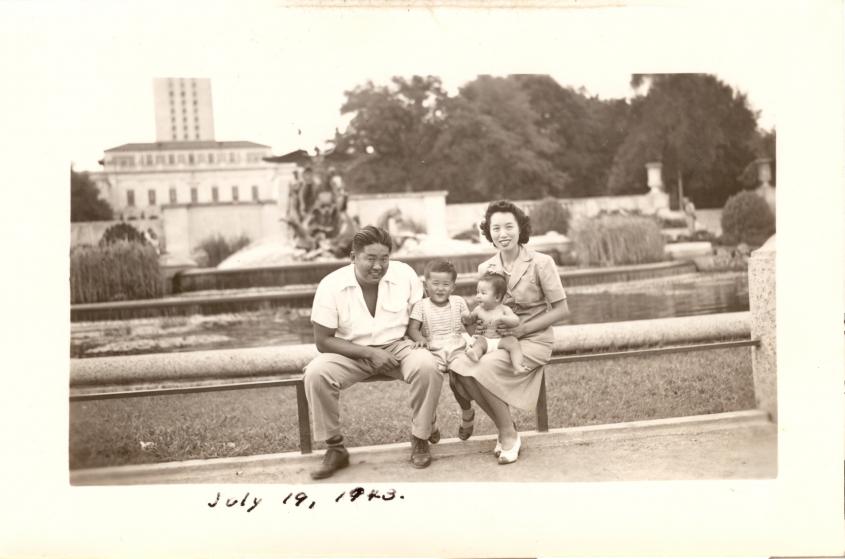
This photograph captures a 1943 family outing to The University of Texas, in Austin.

Image of an Asian family from July 19, 1943 sitting on the edge of a fountain on the campus of the University of Texas at Austin

The young father, Fred Wong, was a grandson of one of “Pershing’s Chinese“–a group of 527 Chinese who accompanied General John J. Pershing into the United States after the failure of his campaigns against General Francisco “Pancho” Villa in 1917.  Villa threatened retaliation against the Chinese for aiding Pershing, who determined to bring them back with him to the United States even though he had to lobby for special federal permission to do so in violation of immigration laws that banned the admission of all Chinese laborers.  Many of these refugees settled in San Antonio where they established grocery stores, laundries, and restaurants.

Fred Wong grew up in San Antonio and in 1936 married Rose Chin from Chelsea, Massachusetts.  They moved to Austin in 1938 and opened New China Food Market at 714 Red River. Fred served as a Rollingwood Councilman and R.C. became a well-known artist.  The couple had three children, Mitchel–reportedly the first Chinese baby born in Austin–and Linda, and Kay.  Mitchel went on to attend UT and became a leading ophthalmologist in central Texas, credited with introducing Lasik surgery to the region.

On May 11, 2011, Mitchel Wong was honored with a Legacy Award at the Asian American Community Leadership Awards jointly organized by UT’s Division of Diversity and Community Engagement, the Center for Asian American Studies, and the Texas Exes Asian Alumni Network.

For more information about Chinese in Texas, please visit:
The Institute of Texan Cultures
The University of Texas at Austin’s Asian American Studies website
The Texas State Historical Association online

You can look up materials available at the Austin History Center, here in its finding guide.

More about Asian Americans, in Texas and beyond:
Edward J. M. Rhoads, “The Chinese in Texas,” Southwestern Historical Quarterly 81 (July 1977).
Irwin Tang, ed., Asian Texans: Our histories and Our Lives (2008).
Pawan Dhingra, Managing Multicultural Lives: Asian American Professionals and the Challenge of Multiple Identities (2007).

The photograph of the Wong family is posted here with the kind permission of the Austin History Center; AR.2008.005(027), Wong Family Papers, Austin History Center.


The views and opinions expressed in this article or video are those of the individual author(s) or presenter(s) and do not necessarily reflect the policy or views of the editors at Not Even Past, the UT Department of History, the University of Texas at Austin, or the UT System Board of Regents. Not Even Past is an online public history magazine rather than a peer-reviewed academic journal. While we make efforts to ensure that factual information in articles was obtained from reliable sources, Not Even Past is not responsible for any errors or omissions.

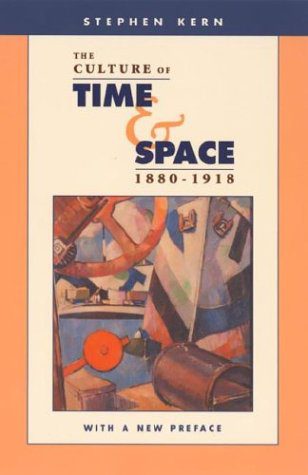
The Culture of Time and Space, 1880-1918 by Stephen Kern (2003)

by Julia Rahe

The modern individual, living in an era of high-speed technology, international travel and an increasingly worldwide community, may be surprised to learn that there have not always been only four time zones in the continental United States, or that there existed a era when having one’s picture taken was an anomalous, threatening experience. Stephen Kern’s fascinating book, The Culture of Time and Space, investigates these and other radical changes that occurred in people’s temporal and spatial reality at the turn of the twentieth century. Kern calls time and space the universal, “essential” realities through which humans perceive, experience and live life, and he uses them to understand historical change.

411GGFYCKBL

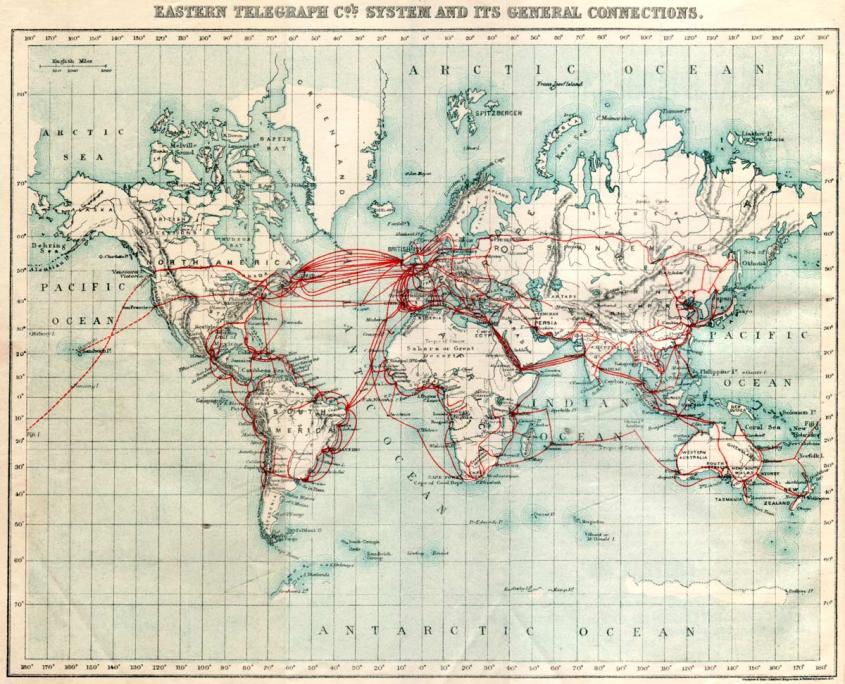
According to Kern, the forty years between 1880 and 1918 were a period of unprecedented cultural renovation and refiguring, when changes in perceptions of speed, space, form, distance and direction broke down traditional hierarchies and reconstructed conventional values and understandings. The proliferation of technological advances such as the telephone and the telegraph altered perceptions of time by allowing individuals in one place to experience simultaneous events in another for the first time. The result was a “thickening” of the present as events occurring in different places convened in a single moment. At the same time, advances in transportation created a “cult of speed,” as bicycles, trams and railroads allowed people to travel at faster velocities than ever before.

image

‘What hath God wrought’?: a map showing the global reach of the Eastern Telegraph Co. System, 1901.

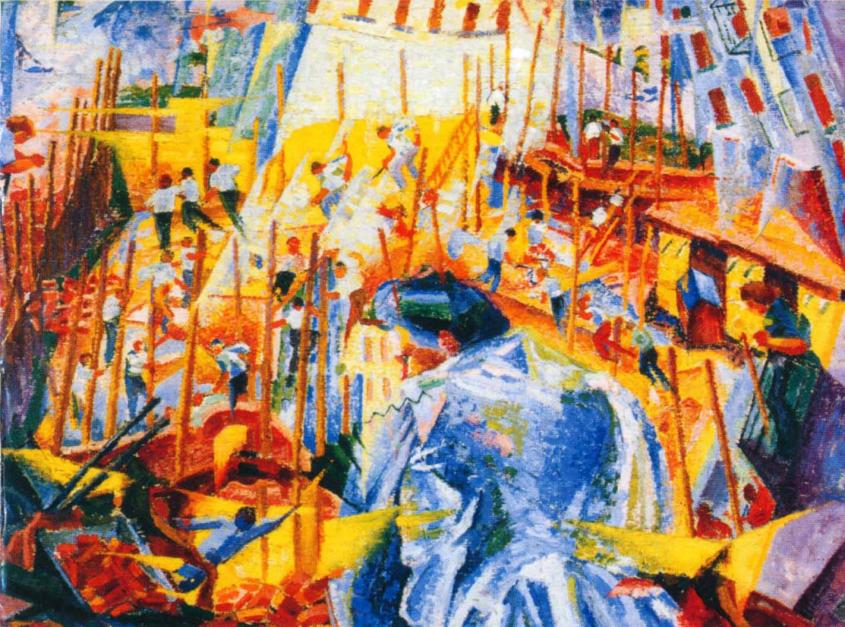
While technological advances altered traditional understanding of time, cultural trends in art and philosophy challenged classical perceptions of space. New artistic movements such as Impressionism and Cubism broke down the illusion of three-dimensional space displayed on the two-dimensional canvas by presenting multiple perspectives to the viewer. These multiple points of view reflected the growing pluralism and confusion of the modern age. New philosophical trends such as Perspectivism also supported ideas about plurality and the subjectivity of personal experience by challenging the notion of an absolute, homogeneous reality.

image

New art movements such as Futurism, Cubism and Dadaism challenged old notions of perspective and drew inspiration from modern technologies such as the telegraph, the radio and the airplane. This detail from Umberto Boccioni‘s 1911 painting The Noise of the Street Enters the House exemplifies the frenetic energy of this new aesthetics based on speed, urbanism and technological prowess.

Through the juxtaposition of seemingly unrelated cultural and scientific phenomena, Kern successfully draws conclusions about broader social changes occurring across Europe and the United States at the turn of the twentieth century. The Culture of Time and Space is a captivating read for a wide audience. Kern’s broad and sweeping, yet detailed, discussion of new trends in art, philosophy and architecture will thrill lovers of material culture, and science and technology buffs will lose themselves in Kern’s explanation of the profound impact of new technological advances on individuals’ perceptions of the world.

All images in this review were published on Wikimedia Commons under a GNU free documentation license. 

Contending Visions of the Middle East: The History and Politics of Orientalism by Zachary Lockman (2004)

by Kristin Tassin

In this work, Zachary Lockman seeks to introduce a general audience to the history of the study of Islam and the Middle East in the United States and Europe, with particular attention to US studies from the mid-twentieth century. The importance of this book lies in Lockman’s attempt to reach the general public with information about the history, politics, and culture of the Middle East. image Lockman’s concern is that certain kinds of knowledge about the Middle East and Islam have been used to shape and justify dangerous policies without the consent of an informed public.

The first half of the book surveys how the “West” has imagined the Middle East from ancient times to the twentieth century. Lockman begins with the early history of different formulations of the east/west divide from the Greeks onwards. He argues the images of the “East” created by the Greeks and Romans had little to do with reality and were influenced by early conflicts with Persia and the concocted opposition between “civilized” Greeks and Romans on the one hand and “barbarians” on the other. These early theories were then adapted by western political theorists to serve particular political and military goals. In an argument reminiscent of Edward Said’s in his book Orientalism, Lockman argues that representations of Islam can be deployed for contemporary political purposes because they still have public emotional resonance.

In the second half of the book, Lockman focuses on the American and British image of the Middle East over the past fifty years. The bulk of the book is devoted to the modern development of the field of Middle Eastern Studies through the influences of empire, the Cold War, and the rise of area studies after World War II. Lockman argues that images of Eastern cultures in the West have been linked with the growth of European and American power over Muslim territories. In the final chapter, Lockman lays out what he sees to be the threats posed to Middle Eastern studies by politically-motivated anti-Eastern policy, manifested mainly in think-tanks and the media. Lockman argues that, particularly after the events of September 11th, there has been a serious effort to censor opinions deemed too liberal or too supportive of Arab or Islamic causes.

Lockman’s work has been criticized for giving undo attention to debates in the public sphere and neglecting work produced inside academia. But this is Lockman’s point exactly. Political debates within public policy and the media have overtaken genuinely scholarly interest in the Middle East, and have influenced the types of questions addressed in colleges and universities. For this reason, Lockman’s book arrived at a perfect time to give a clear history of the study of the Middle East and Islam. The book calls attention to the social and political interests that have been served by the adoption of a certain type of one-sided scholarship.

History Underfoot

by Erika M. Bsumek

History can sometimes surround us – sometimes it’s even underfoot. This rug, from the Art and Art History Library Collection at the University of Texas, represents the kind of textiles that were made by skilled Navajo weavers and sold on the Navajo reservation from the late 19th into the early 20th century.

image

The attractive geometric designs of such creations corresponded with other fashion forward styles of the era and they became popular additions to dens and “Indian corners” across the U.S. Navajo rugs have had a lasting influence on interior design ever since. Consumers currently spend millions of dollars every year for antique rugs and blankets, newer rugs still being created by Navajo weavers, or even the less expensive “American Indian style” rugs made in Mexico or India.

So, what’s the history of a rug like this one and why should we care about it? One view is that after the arrival of the Spanish and the introduction of sheep in North America, weaving became central to the development of trade goods throughout the Southwest. Thus, Navajo textiles reflect Spanish influence and cultural exchange. When Anglos began settling in the region, they developed a taste for woven goods and further altered the trade. Traders encouraged weavers to include borders, like the Greek key style design found in this rug, similar to those found on Persian rugs.

Navajo rug with geometric pattern

In the 1880s, the white traders who encouraged these changes knew that the beautiful Navajo textiles could be sold to white consumers – if marketed correctly. Another view, the Navajo view, is that Spiderwoman (a key spiritual figure in Navajo cosmology) gave Navajo women the skill they needed to fashion cotton and wool into beautiful creations to trade and feed their families.

Traders like Lorenzo Hubbell, who ran the Ganado Trading Post in Ganado, Arizona, turned their attention to selling Navajo rugs as a way to generate income for the post. Hubbell’s first step was to convince famed hotelier Fred Harvey to stock his hotel gift shops with Navajo blankets and rugs. Harvey also used Navajo rugs as decorative accessories throughout his hotel. This meant that railway tourists to the Southwest could simply stroll into the hotel’s lobby, see the beautiful the rugs used throughout the hotel, enter the store, and purchase a rug to take home. Beyond Harvey’s gift shop sales, traders like Hubbell also published catalogues that they shipped to potential customers or curio stores throughout the United States. The text and advertisements that appeared in trader catalogues promoted the traders as much as, if not more so, than the weavers.

image

This kind of marketing made Navajo textiles part of an emerging fascination with “primitive’ peoples. By the early 1900s, Americans across the United States were collecting goods from Africa, Asia, and the American Southwest. Just as painters like Picasso began to include elements of indigenous art in modernist art forms, consumers could buy goods that reflected similar design elements: geometrical, bold, abstract.

As consumer fascination with Navajo rugs took hold in the marketplace, rugs grew in value. But, where were the weavers who made the products? How were they treated? Ironically, although Navajo textiles took on social value, Indians were being de-valued in society. Government efforts to assimilate Indians remained strong well into the twentieth century. In response, Navajo weavers, in particular, have worked to preserve their culture through their weavings. So, the next time you see a Navajo rug, you might want to consider its history – and more importantly, the history of the people who made it.

Read more about the marketing of Navajo crafts:

Erika Bsumek, Indian-Made: Navajo Culture in the Marketplace, 1868-1940

« Previous Page
Next Page »

Recent Posts

  • The Radical Spanish Empire Roundtable – Introduction
  • All Eyes on the Petition: Reflections on The Radical Spanish Empire
  • Forgery, Invention, and the History of Skepticism in The Radical Spanish Empire
  • Iberian Subaltern Political Philosophies and The Radical Spanish Empire
  • Lawfare and the Legal Construction of Race in The Radical Spanish Empire
NOT EVEN PAST is produced by

The Department of History

The University of Texas at Austin

We are supported by the College of Liberal Arts
And our Readers

Donate
Contact

All content © 2010-present NOT EVEN PAST and the authors, unless otherwise noted

Sign up to receive our MONTHLY NEWSLETTER

  • New
  • Features
  • Reviews
  • Texas
  • Teaching
  • Digital
  • Watch & Listen
  • Authors
  • About