Could a Muslim – or a Catholic or a Jew – Be President? A 1788 Constitutional Debate

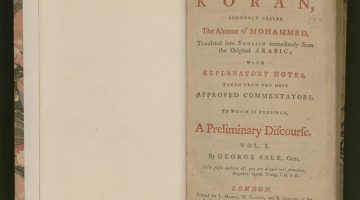
The Constitution’s ban on religious tests prompted the nation’s first debate in 1788 about whether a Muslim – or a Catholic or a Jew – might one day become president of the United States. William Lancaster, a delegate to the North Carolina convention to ratify the Constitution, worried: “But let us remember that we form a government for millions not yet in existence.
Slave Rebellion in Brazil: The Muslim Uprising of 1835 in Bahia by João José Reis (1993)

Shortly after 1:00am on January 25, 1835, a contingent of African-born slaves and former slaves emerged from a house at number 2 Ladeira da Praça and overpowered the justice of the peace and a police lieutenant. Throughout the night approximately six hundred rebels ran through the streets fighting and vandalizing a number of municipal buildings.
Elevate (2012)
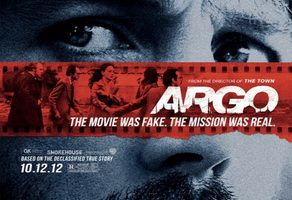
What’s Missing from ‘Argo’ (2012)
The Yacoubian Building by Alaa al-Aswany (2006)
The Eclipse of the Century: A Story of Science, Money, and Culture in Saharan Africa and the American Southwest
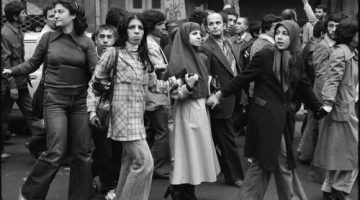
The Strength of Women in the Iranian Revolution

The Iranian Revolution of 1979 affected the lives of all Iranian citizens, especially women. Claudia Espinoza illustrates how Ayatollah Khomeini’s new theocratic government implemented segregationist policies that drastically changed the dress code, legal rights, and professional opportunities available to Iranian women.
History Carnival, May 2012
From Marfa to Mauritania in Forty Years

Four hundred and fifty miles west of the University of Texas at Austin, thirty-seven miles (as the car drives) north of the town of Marfa, Texas, and almost 6,800 feet above sea level sit the white and silver domes of the McDonald Observatory.