• New
  • Features
  • Reviews
  • Texas
  • Teaching
  • Digital
  • Watch & Listen
  • Authors
  • About

The past is never dead. It's not even past

Not Even Past

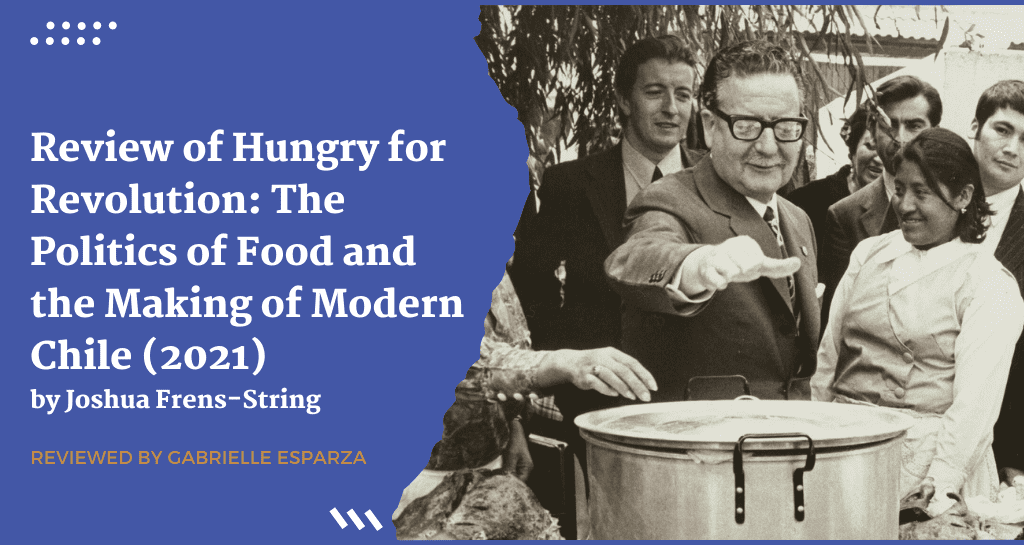
Review of Hungry for Revolution: The Politics of Food and the Making of Modern Chile (2021)

banner image for Review of Hungry for Revolution: The Politics of Food and the Making of Modern Chile (2021)

More than fifty years ago, Chile began a democratic path toward socialism with the election of Salvador Allende. President Allende promised that the country’s revolution would taste of “empanadas and red wine.” These quintessentially Chilean staples represented his pledge to ensure social welfare. In Hungry for Revolution: The Politics of Food and the Making of Modern Chile, historian Joshua Frens-String explores this relationship between revolutionary politics, food security, and nutrition science in twentieth-century Chile. He concludes that the Allende years signified the culmination of decades-long popular struggles to position food security as a basic right of democratic citizenship.
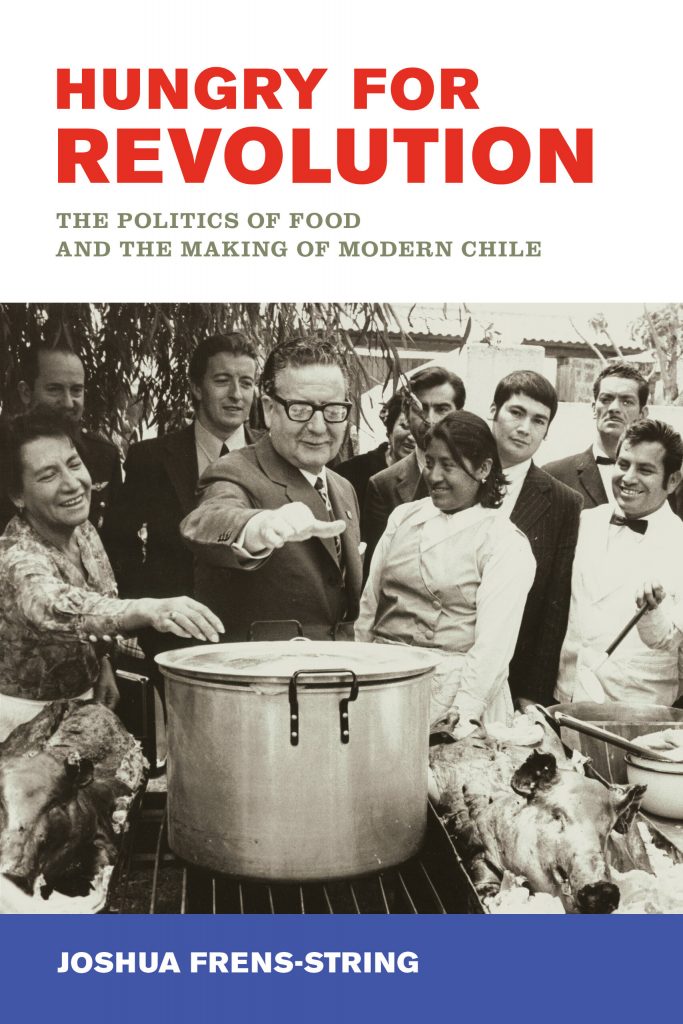
Book cover of Hungry for Revolution

Over seven chronological chapters, Frens-String weaves together political, social, and economic history to reveal how Chile’s food system reflected larger inequalities within society. The book’s first two chapters chronicle the rise of workers’ organizations in the urban capital of Santiago and the mining camps of northern Chile. Despite distinct economic contexts, both regions grappled with high prices and food shortages. Frens-String uses profiles of individual labor organizers to drive the narrative. He shows that these actors identified hunger as clear evidence of working-class exploitation and demanded popular access to dietary staples. Through decades of campaigns against the rising cost of living, Chilean workers made it clear that food security was central to a functional national economy.

In chapters three and four, Hungry for Revolution shifts the focus from the streets to the halls of government offices. This section traces how state actors responded to the left’s politicization of food. In particular, Frens-String’s attention to gendered ideas is a significant strength of these chapters. Government officials, social scientists, and medical doctors often blamed mothers for poor nutritional outcomes. Thus, educational outreach targeted poor and working-class women. Public health officials in the 1940s offered cooking classes and consumer handbooks to teach new food preparation methods and to encourage new eating habits. In the countryside, the state urged rural women to participate in agrarian reform by embracing sacrifice and frugality. Government officials pushed women to plant small family gardens, preserve their own vegetables, and switch to composting to conserve scarce fertilizers. The state’s focus on female consumers in its efforts to alter Chile’s nutritional habits reflected gendered beliefs about work and domesticity.
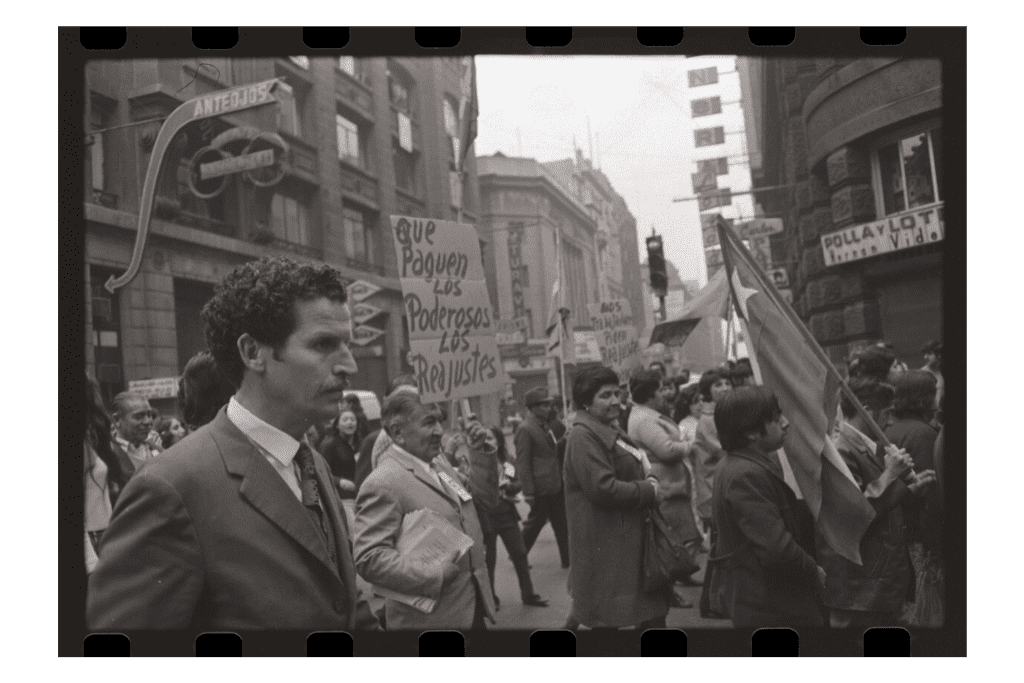
Allende supporters walk toward the government palace to hear his speech on International Workers Day, 1973
Allende supporters walk toward the government palace to hear his speech on International Workers Day, 1973. Source: Biblioteca Nacional

The concluding chapters of Hungry for Revolution demonstrate that state intervention in food production and distribution fueled both a socialist revolution and a far-right counterrevolution in the 1960s and 1970s. Rural landowners, urban merchants, and female consumers rejected the government’s interference in their decisions to produce or consume certain foods. As food demand outpaced supply, the Allende government encouraged consumers to replace traditional staples, such as red meat, with unconventional substitutes, like merluza fish. The state’s failure to ensure consumer abundance led to anxiety and frustration, which the opposition harnessed to demand an end to state intervention. Rising social unrest would pave the way for the military coup that overthrew Allende in 1973, which in turn led to the dismantling of the Chilean welfare state.

Hungry for Revolution is a fascinating account of national development in twentieth-century Chile. Using food politics as a lens into larger debates about what democratic states can and should provide their citizens, Frens-String traces how Chileans came to see food security as a basic right of citizenship. He illustrates that popular mobilization around consumer issues furthers our understanding of social welfare and economic justice. This book will appeal to historians of modern Chile as well as food historians. However, Hungry for Revolution offers insight to scholars broadly interested in national development, democratization, and social welfare in the Americas.


Gabrielle Esparza is a fourth-year Ph.D. candidate at the University of Texas at Austin. She is a historian of Latin America with a focus on twentieth-century Argentine history. Her current research interests include democratization, transitional justice, human rights, and civil-military relations. Gabrielle holds a B.A. in History and Spanish from Illinois College and received a Fulbright English Teaching Assistantship to Argentina in 2017. At the University of Texas at Austin, Gabrielle has served as a graduate research assistant at the Texas State Historical Association and contributed to the organization’s Handbook of Texas. She served as co-coordinator of the Symposium on Gender, History, and Sexuality in 2020-2021. Currently, she is the Associate Editor of Not Even Past.

The views and opinions expressed in this article or video are those of the individual author(s) or presenter(s) and do not necessarily reflect the policy or views of the editors at Not Even Past, the UT Department of History, the University of Texas at Austin, or the UT System Board of Regents. Not Even Past is an online public history magazine rather than a peer-reviewed academic journal. While we make efforts to ensure that factual information in articles was obtained from reliable sources, Not Even Past is not responsible for any errors or omissions.
Review of Undocumented Lives: The Untold Story of Mexican Migration (2018)

banner image for Review of Undocumented Lives: The Untold Story of Mexican Migration (2018)

In Undocumented Lives, Ana Raquel Minian explores the inner world of undocumented Mexican migrants in the United States from 1965 to the present. While detailing the harsh realities that these migrants faced, Minian also demonstrates how the migrants’ perceptions of their lives differed significantly from those of the state and how the draconian migration policies of the United States and Mexico were not just detrimental to the interests of the migrants but also of the governments. Foregrounding the voices and the choices of the migrants, Minian argues that while the undocumented Mexicans in the United States maintained transnational connections between the United States and Mexico, they were unable to claim full belonging in either place. By displaying the subjectivity of the undocumented lives, Minian challenges the dominant rhetoric in the present day that often characterizes migrants as agentless people who are completely subjugated by the power of the nation-state without their own sets of priorities, sense of belonging, emotionality, and other elements that are fundamental of being human. 

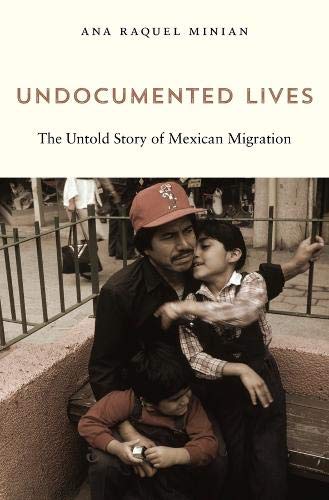
book cover of Undocumented Lives

By foregrounding the perspectives of undocumented migrants, Minian contests common stereotypes. She shows that most Mexican migrants simply wanted to look for work in the United States and were not drug dealers. They did not gain social benefits from the U.S. government and instead created their own transnational welfare system that supported their communities in Mexico. Women preferred to stay in Mexico and raise children rather than giving birth in the United States to produce anchor babies. Gay men also preferred to stay in the more conservative Mexico rather than moving to the more liberal United States. 

Perhaps the most significant myth that Minian debunked was that undocumented migrants had a fixed place where they could call home. Although many believe that Mexican migrants had full substantive citizenship in Mexico, making their migration to the United States unnecessary, such an assumption, as Minian shows, is far from the truth. In Mexico, the poor economy damaged these migrants, depriving them of reasonable livelihood and making emigration the only viable option for them to survive. Meanwhile, the Mexican government did not treat these migrants as full citizens and instead considered them to be superfluous to the country. Following such logic, Mexican officials believed that out migration could alleviate the pressure of domestic unemployment as these “extras” departed Mexico and competed in the U.S. job market. Therefore, while the undocumented migrants encountered discrimination in the United States as “illegal aliens,” they also faced marginalization in the country of their citizenship and were unable to establish roots in their communities in Mexico. 

Minian further shows that without attending to the motivation and the reality of the Mexican migrants, the U.S. government devised and implemented faulty immigration policies that were detrimental to both the migrants as well as its own interests. Minian points out that Mexican migrants frequently engaged in circular migration to maintain their transnational belonging. Therefore, their movement between Mexico and the United States was frequent and few wanted to stay in the United States permanently. However, because policymakers failed to understand such migration pattern, not only did they formulate laws that created excessive hardships for the migrants and their families, but they also, ironically, harmed the interest of the U.S. government. Between 1965 and 1986, the U.S. government legislated multiple immigration laws that aimed to reduce the number of undocumented migrants within the United States. However, these laws, by the hardening of the U.S.-Mexico borders, actually increased the number of “illegal aliens” as the Mexicans ceased to circularly migrate because they were afraid of being detained and deported at the borders.

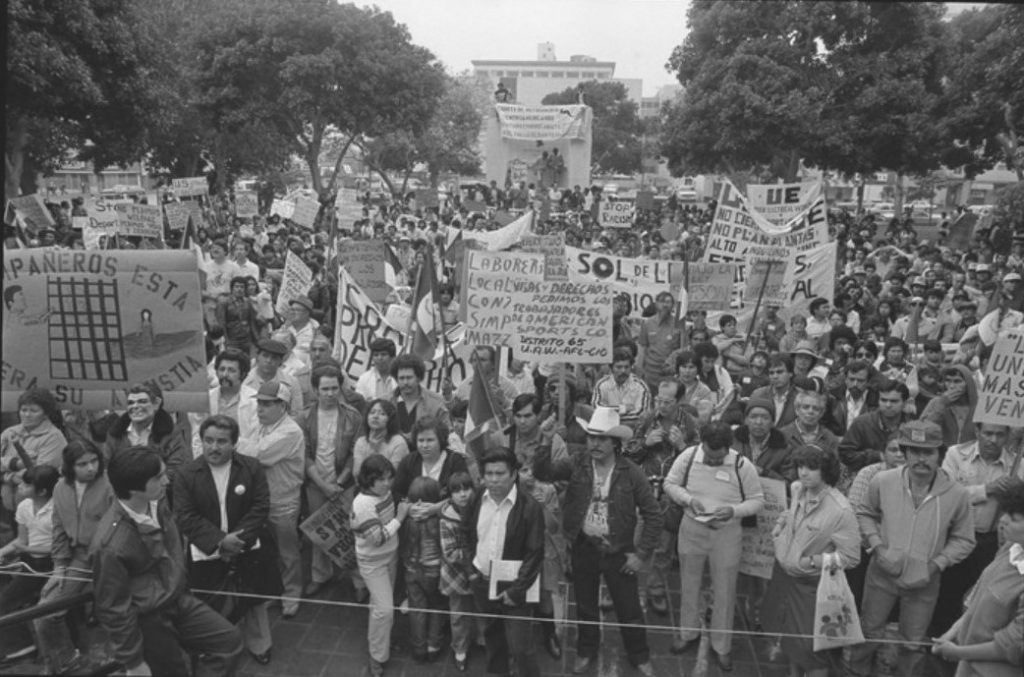
Demonstrators with signs, most in Spanish protesting the Simpson-Mazzoli immigration bill in Los Angeles, Calif., 1983
Demonstrators with signs, primarily in Spanish, protest the Simpson-Mazzoli immigration bill in Los Angeles, California, 1983.
Source: UCLA Charles E. Young Research Library Department of Special Collections

Despite encountering severe discriminations in the United States, national unbelonging in Mexico, and the local pressure to exit, Mexican migrants challenged their marginal status in all three spaces. In the United States, these undocumented people fought for their rights and protested their “illegal alien status” with help from various organizations. Meanwhile, they demonstrated their importance to the Mexican economy by funding welfares in their hometowns. While physically distant from their families, they preserved their transnational households through letter writing, photo exchanging, and circular migration. By asserting their rights and presence, these migrants maintained partial belonging to the United States, Mexico, and their local communities.

Minian’s work points to the importance of using oral historical interviews to uncover the stories of those whose voices that are so often absent in the archives. To present the history of undocumented migrants from their own perspectives, Minian discovered and examined privately held documents including letters, photographs, and pamphlets. By using these personal/family documents, Minian successfully foregrounded the perspectives of the migrants. She also supplemented her research with an impressive 250 oral historical interviews with the migrants and their families. While oral history can be problematic as the interviewee might withhold, distort, or simply forget certain information, Minian mitigated such issue by distilling the broader patterns within these accounts rather than focusing on any single story. A collective experience narrated from the migrants’ perspectives therefore emerged. Undoubtedly, these methods are useful for future historians looking to incorporate the voices of the marginalized in their studies. Overall, insightful and groundbreaking, Undocumented Lives will appeal to scholars interested in migration studies, borderlands history, and Mexican American studies.


Jian Gao is a third-year PhD student at UT Austin. His primary research focuses on the transnational history of Chinese in Mexico during the first half of the twentieth century, and his secondary research focuses on the global dynamics of Latin America during the Cold War era. His works have appeared in The Latin Americanist, Asian Journal of Latin American Studies, The International Report on Drug Studies, and most recently History Compass. His papers have won multiple awards from Latin American Studies Association (LASA), Rocky Mountain Council on Latin American Studies (RMCLAS), Southeastern Council of Latin American Studies (SECOLAS), and the World History Association (WHA).

The views and opinions expressed in this article or video are those of the individual author(s) or presenter(s) and do not necessarily reflect the policy or views of the editors at Not Even Past, the UT Department of History, the University of Texas at Austin, or the UT System Board of Regents. Not Even Past is an online public history magazine rather than a peer-reviewed academic journal. While we make efforts to ensure that factual information in articles was obtained from reliable sources, Not Even Past is not responsible for any errors or omissions.
Subjected to Science: Human Experimentation in America before the Second World War – a debate between suffering and medical knowledge for the greater good

banner image for Review of Subjected to Science: Human Experimentation in America before the Second World War

Subjected to Science: Human Experimentation in America before the Second World War by Susan Lederer explores the production of medical knowledge through human experimentation and animal vivisection. Lederer’s contextualization of the subject and her well-chosen examples enlighten readers and allow us to explore the intersection between politics, economy, medicine, and, of course, issues of ethical and moral character. One of the core topics in the book is the debate between the arguments of vivisectionists and antivivisectionists, vivisection being the practice of operating on live animals for the pursuit of scientific knowledge.[1] Through this discussion, one sees that the debate between the advancement of science, the greater good of society, and concerns about causing harm to the most vulnerable characterized the dialogue about human experimentation and animal vivisection in the early 20th century.

Lederer considers three interlocking questions: why “did American physicians routinely perform non-therapeutic experiments on their patients?” and “who served as the subject of these experiments and what risks did they encounter?”.[2] These questions are essential to the historical significance of the book. Although the Nuremberg trials generated awareness of human experimentation and the consequences it could have while also establishing a set of rules and regulations, we cannot understand human experimentation without first understanding what happened before these trials. As Lederer put it, the Nuremberg trials are not the start of human experimentation but, instead, part of it.[3] That is why it is valuable to understand human experimentation before the Second World War. It allows us to understand the influence of technological developments and historical events like the X-ray and the Great Depression on what research is today. This is one of Lederer’s main arguments, which she addresses in the introduction and chapter one.

Scientists test yellow fever serum by injecting it into white mice.
Scientists test yellow fever serum by injecting it into white mice. USPHS (United States Public Health Service) Rocky Mountain Laboratory, Hamilton, Montana circa 1942. Source: Library of Congress

The second chapter focuses on the claim that human experimentation must be looked at in the context of animal protection.[4] According to Lederer, antivivisectionists argued “it is not a question of animals or human beings, it is a question of animals and human beings”[5], showing how concerns for human experimentation started when the public became worried about animal welfare. The main argument was that “no progress in medicine… was worth the pain inflicted in laboratories by physicians and physiologists”.[6]  Starting in 1866 with the establishment of the American Society for the Prevention of Cruelty to Animals (ASPCA) by Henry Bergh and, later, the creation of various societies for the protection of children in New York and Pennsylvania in the 1870s, concerns over human experimentation were characterized by a preoccupation over those who were most vulnerable and did not have a voice.[7] These ideas circulated within the context of Darwinism, which fostered wider “acceptance of human and animal kinship”.[8]  

In chapters three and four, Lederer poses a debate between the ideas of vivisectionists and antivivisectionists.[9] She refers to Hideyo Noguchi’s experiments, where healthy children and hospital patients were used to develop a luetin diagnostic test for syphilis.[10] She also talks about Arthur H. Wentworth’s “experimental tapping of the subarachnoid space,” which, according to Wentworth himself, caused “momentary pain” and “some children to shrink back and cry aloud”.[11] These types of experiments—which inflicted pain among vulnerable people like children—caused controversy among antivivisectionists. For example, Diana Belais, the president of the New York Antivivisection Society, claimed that medical knowledge was placed before the wellbeing of the most vulnerable. She along with lawmakers, like Republican senator Jacob H. Gallinger, tried to pass laws regulating vivisection.

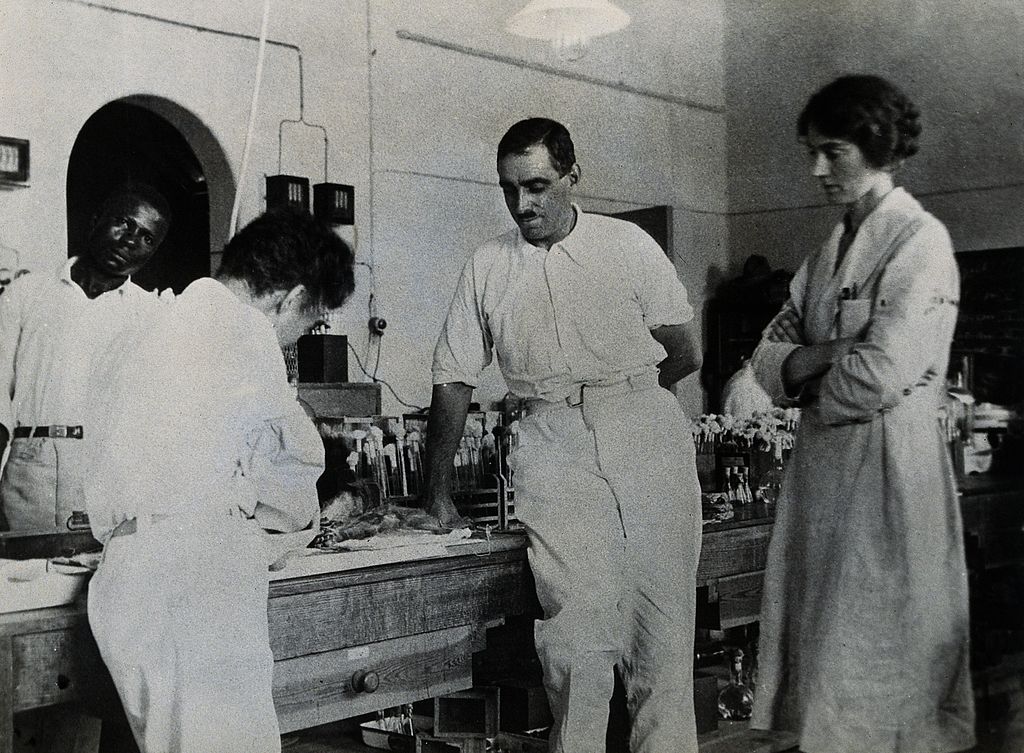
Dr. Hideyo Noguchi (with back to camera) works in a research lab while William Alexander Young and Helen Russell watch.
Dr. Hideyo Noguchi (with back to camera), William Alexander Young, and Helen Russell at the Medical Research Institute in Accra, Ghana circa 1928. Source: Wellcome Collection

Meanwhile, in addressing vivisectionists’ arguments, Lederer talks about the American Medical Association (AMA) and Abraham Flexner’s survey of medical education, Charles W. Eliot’s reforms at Harvard Medical School, and the surge of research as the gold standard for creating medical knowledge. [12] Her sources rely on public statements from William H. Welch, the dean of the Johns Hopkins Medical School, and William W. Keen, the president of the AMA from 1899 to 1900. In contrast to antivivisectionists, vivisectionists’ main argument was that physicians had the obligation to generate medical knowledge, “to heal the sick, to check disease and to prevent death”, all of which could be achieved through vivisection and by having fewer restrictions in the law.[13]

The author also discusses issues that, despite being interesting because of their historical relevance, are incredibly heartbreaking. In chapter five, she delves deeper into the use of the most vulnerable—namely children, prisoners, soldiers, the poor, and those socially marginalized—as subjects for human experimentation. Experiments like those performed by J. Marion Sims on “black female slaves… to test his discovery of a repair for vesico-vaginal fistula”[14] are disturbing because of the intersection between social and political conditions with medicine. However, this discussion could have benefitted from a more in-depth discussion of race, social hierarchies, and inequality. Although Lederer used sources like articles from the Journal of Experimental Medicine, quotes from multiple figures, extracts from the magazine Life, and statements from the American Humane Association, she could have included a more human perspective from those who were experimented on, especially since the history of medicine deals with emotions and not just bodies and medical knowledge.  Chapter five’s focus on the subjects of human experimentation introduces sub-arguments related to the issue of consent and whether we can justify experimentation on people whose consent cannot be obtained (like children) or is dependent on political or economic factors.

Despite debates on the ethics of human experimentation, chapter six demonstrates that research and “the discovery of insulin, sulfa drugs, and new treatments for pernicious anemia” eventually helped inspire confidence in medical researchers and doctors.[15] They began to be seen as heroes, as “those who survived their bouts with laboratory-acquired infections earned praise”.[16] There is a special mention of Walter Reed—who proved yellow fever is transmitted by mosquitoes—and Jesse Lazear—who was in Reed’s group and died from yellow fever as a result of self-experimentation.[17] This conclusion allows readers to see how research “became an integral part of [the] academic medicine”[18] and how it was influenced by everything that was discussed in previous chapters, further illuminating the historical relevance of the book.

A scientist dispenses yellow fever vaccine into ampules
A scientist dispenses yellow fever vaccine into ampules. USPHS (United States Public Health Service) Rocky Mountain Laboratory. Hamilton, Montana circa 1942. Source: Library of Congress

Lederer’s book brilliantly explores what human experimentation was like before the Second World War by making reference to important figures like William W. Keen, William H. Welch, Diana Belais, and Jacob Gallinger and using sources like extracts from scientific journals and quotes from those involved. It is enlightening to read as it gives readers an insight into the arguments of both vivisectionists and antivivisectionists. Also, the idea that human experimentation cannot be understood without knowing what happened before the Nuremberg trials is valuable because the history of human experimentation does not have a beginning or an end: it is embedded in an ebb and flow of political, economic, and social circumstances. This book should be read by anyone who seeks to understand the complexities behind human experimentation. It is through books like this that we become aware of the implications of the creation of scientific knowledge and better understand ourselves as humans.


Juliana Márquez is a sophomore at the Johns Hopkins University majoring in Molecular & Cellular Biology. She has always been interested in the connections between epistemology and history. Since taking a class on the History of Modern Medicine, Juliana immediately found a passion for understanding how scientific and medical knowledge is created. She hopes to use this understanding to have a more human-based approach to science.

References

Goodman, Jordan, Anthony McElligott, and Lara Marks. “Making Human Bodies Useful: Historicizing Medical Experiments in the Twentieth Century.” Essay. In Useful Bodies: Humans in the Service of Medical Science in the Twentieth Century. Baltimore: Johns Hopkins University Press, 2003.

“vivisection.” In Concise Medical Dictionary, edited by Law, Jonathan, and Elizabeth Martin. : Oxford University Press, 2020. https://www-oxfordreference-com.proxy1.library.jhu.edu/view/10.1093/acref/9780198836612.001.0001/acref-9780198836612-e-10814.

Lederer, Susan. 1995. Subjected To Science: Human Experimentation In America Before The Second World War. Baltimore: The Johns Hopkins University Press.

[1] Jonathan Law and Elizabeth Martin, “vivisection”, 2020

[2] Susan Lederer, Subjected to Science, XV

[3] Jordan Goodman, Anthony McElligott and Lara Marks, “Making Human Bodies Useful”, 3

[4] Lederer, XV

[5] Lederer, 101

[6] Lederer, 42

[7] In this chapter, Lederer alludes to the heartbreaking case of Mary Ellen Wilson, a 9-year-old girl who got beaten by her stepmother, as a catalyst for a growing concern for children and the creation of societies that cared about the wellbeing of the most vulnerable; Lederer, 28

[8] Lederer, 30

[9] Since there are various perspectives around human experimentation, Lederer does not only have one central argument. Instead, she addresses the perspective of both sides to contextualize human experimentation as a whole and go deep into what human experimentation was like before the Second World War.

[10] Lederer, 83

[11] Lederer, 62

[12] Lederer, 54-55

[13] Lederer, 100

[14] Lederer, 115

[15] Lederer, 126

[16] Lederer, 130

[17] Lederer, 18

[18] Lederer, 127

The views and opinions expressed in this article or video are those of the individual author(s) or presenter(s) and do not necessarily reflect the policy or views of the editors at Not Even Past, the UT Department of History, the University of Texas at Austin, or the UT System Board of Regents. Not Even Past is an online public history magazine rather than a peer-reviewed academic journal. While we make efforts to ensure that factual information in articles was obtained from reliable sources, Not Even Past is not responsible for any errors or omissions.
Review of The Good Immigrants: How the Yellow Peril Became the Model Minority (2015)

banner image for Review of The Good Immigrants: How the Yellow Peril Became the Model Minority (2015)

In the current era of #StopAsianHate, there have been numerous conversations regarding the unique position occupied by Asian and Asian Americans in America’s wider ethnic and racial hierarchies. Importantly, these conversations have examined the origins of the so-called the ‘model minority’ myth. Esteemed Asian American historian Madeline Hsu incisively captures that history in The Good Immigrants: How the Yellow Peril Became the Model Minority (2015). In nine well-researched chapters, Hsu walks readers chronologically through the sociopolitical processes that propelled the incorporation of a privileged class of Asian migrants and how liberal immigration policy facilitated the transition from ‘yellow peril’ to ‘model minority.’ Hsu’s overall argument emphasizes that the contemporary favorable positioning of Asian immigrants in the United States is not strictly a product of cultural traits. Instead, she points to foreign and domestic policies that prioritized the entry of highly skilled, educated, Westernized Asian immigrants.  

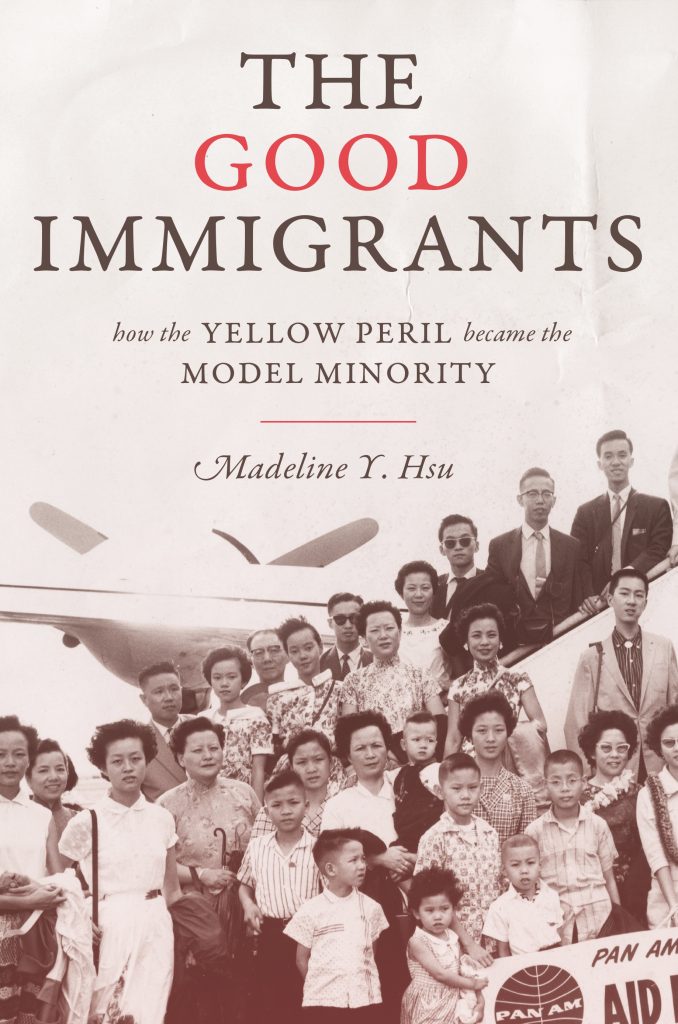
Cover of The Good Immigrants: How the Yellow Peril Became the Model Minority; a large group of Asian immigrants poses for a group photo as they debark a Pan Am flight

In the book’s early chapters, Hsu historically situates the entry of privileged Chinese migrants during the height of America’s racial exclusion. It is important to note that Chinese were the only group identified specifically by race for immigration exclusion. United States law prohibited Chinese laborers from immigrating to the United States and obtaining naturalized citizenship. Hsu examines the contrasting experiences of the exempted classes (students, diplomats, businesspersons) of Chinese migrants who were able to enter the United States for educational purposes in what Hsu classifies as the ‘side door policy’ (36). With a special focus on exchange students, Hsu shows readers that the earliest Chinese travelers in Western countries were brought by missionaries usually as students and converts.

Chinese students were not spared xenophobic encounters and racial antagonism, but according to Hsu, they nonetheless benefited from attending American universities to foster economic development in China. Additionally, U.S. educated Chinese immigrants like Meng Zhi played an instrumental role in enhancing Sino-American partnerships by establishing cultural exchange programs like the China Institute in America to advocate for Chinese educational interests abroad. Though not explicitly stated by Hsu, the advocacy of Chinese educational interests represents early examples of transnational and diasporic politics. The political activities conducted by this privileged class of migrants laid the foundation for the elimination of America’s restrictive immigration policies in subsequent decades.  

Through Chapters 4 to 7, Hsu emphasizes how Cold War politics facilitated the piecemeal but eventual elimination of America’s racially exclusionary immigration policies. During the Chinese Civil War, many Chinese students studying in the United States became stateless persons with the emergence of a communist government. This reality compelled the United States government to allow Chinese students to adjust their legal status. State and private actors began privileging the voices and experiences of educated Chinese students, who were deemed to be of economic value and assimilable because of their exceptional educational attainment and shared political ideologies with the U.S. After decades of extensive advocacy from privileged Chinese immigrants, the United States government passed the Hart-Cellar Act of 1965, which abolished racial and national origin preferences in immigration. During this period the yellow peril designation began to shift to the model minority framework. While the Hart-Cellar Act was a major milestone in U.S. immigration policy, Hsu reminds readers that the act continued to selectively screen for highly educated, highly skilled immigrants in an effort to fulfill the United States economic interests. Thus, contemporary U.S. immigration policy maintained its inherently exclusive nature and reinforced U.S. racial hierarchies.   

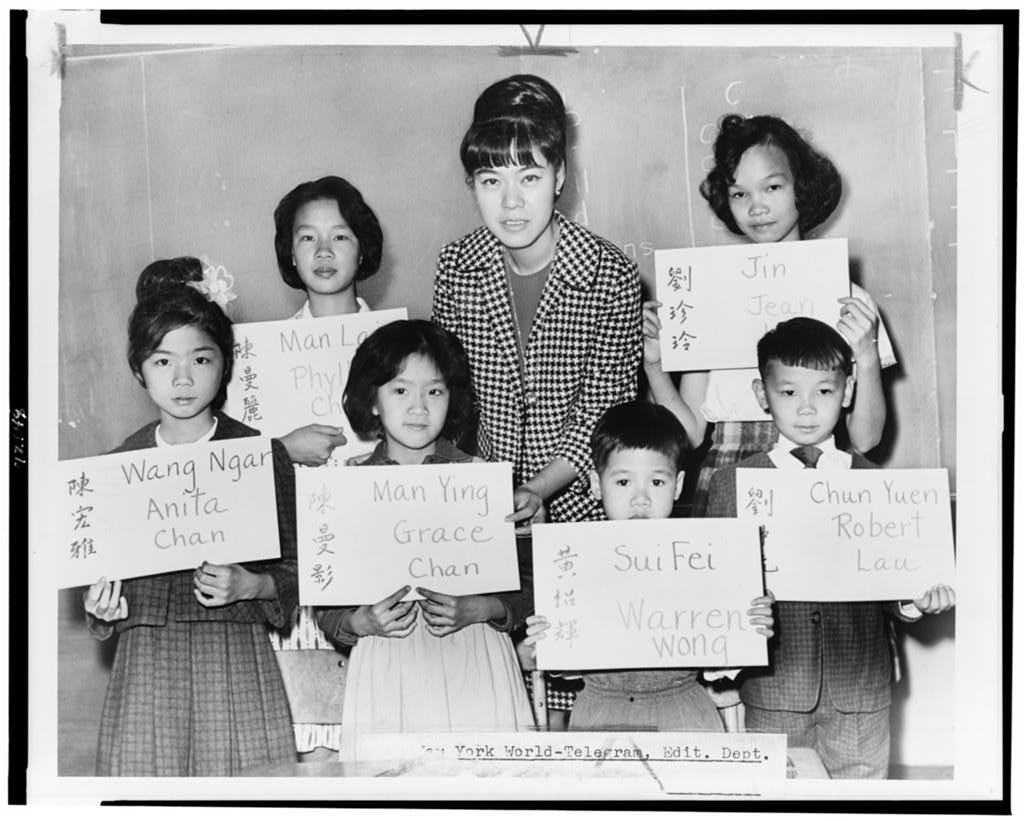
Miss April Lou, a teacher in Manhattan, poses with six Chinese children, recent arrivals from Hong Kong and Formosa, who are holding up placards giving his or her Chinese name (both in ideographs and in transliteration) and the name to be entered upon the official school records.
Miss April Lou, a teacher in Manhattan, poses with six Chinese children, recent arrivals from Hong Kong and Formosa, who are holding up placards giving his or her Chinese name (both in ideographs and in transliteration) and the name to be entered upon the official school records. Source: Library of Congress, photo by Fred Palumbo.

Hsu’s concluding chapters discuss the social and cultural consequences of this new racial positioning of Asian American communities in the United States after the Hart-Cellar Act of 1965. Asian Americans, specifically Chinese American communities, became celebrated for entering professional and white-collar employment. However, Hsu reminds readers that the class status of certain Asian immigrants in the United States was due to the fact that they came from privileged backgrounds thus facilitating their middle- and upper-middle class respectability in the United States. The increased visibility of Asian immigrants in the private and public spheres is due to contemporary immigration policies screening immigrants for their economic capital and employment potential for entry. 

The Good Immigrants is not only a must read but serves as an invaluable contribution to the field of Critical Race Studies because it details how different groups have different relationships with America’s ethnic and racial hierarchies.  The emphasis on the perceived assimilation of Asian Americans has prevented U.S. institutions from addressing the ongoing effects of racial marginalization, which the #StopAsianHate movement examines. More importantly, The Good Immigrants shows the role post-Civil Rights neoliberal public policy has played in maintaining structural racial inequality. This book illustrates how migrants with socioeconomic status and social capital have complicated perspectives regarding American racial politics and racial inequality.  While many conservatives and to some degree liberals may argue that race is no longer a factor in determining someone’s success, The Good Immigrants successfully counters popular narratives about individual responsibility and ‘cultural values’ by highlighting the structural factors that produce inequitable racial outcomes for neoliberal purposes. 


The views and opinions expressed in this article or video are those of the individual author(s) or presenter(s) and do not necessarily reflect the policy or views of the editors at Not Even Past, the UT Department of History, the University of Texas at Austin, or the UT System Board of Regents. Not Even Past is an online public history magazine rather than a peer-reviewed academic journal. While we make efforts to ensure that factual information in articles was obtained from reliable sources, Not Even Past is not responsible for any errors or omissions.

Review of Hazards of the Job: From Industrial Disease to Environmental Health Science (1997) by Christopher Sellers

Review of Hazards of the Job: From Industrial Disease to Environmental Health Science (1997)

In Silent Spring, Rachel Carson pioneered the public discussion of the dangers of toxic substances present in the environment as a result of industrial activity. Christopher C. Sellers investigates the type of scientific knowledge about toxic substances that Rachel Carson built upon and popularized in this famous study. The book follows the development of industrial work-related illnesses from the 1890s through the early 1950s. First understood as “bodily idiosyncrasies” (28) that were outside the main concern of employers, or that should be endured by masculine workers, knowledge about occupational disease underwent significant transformations over the course of the early 20th century.

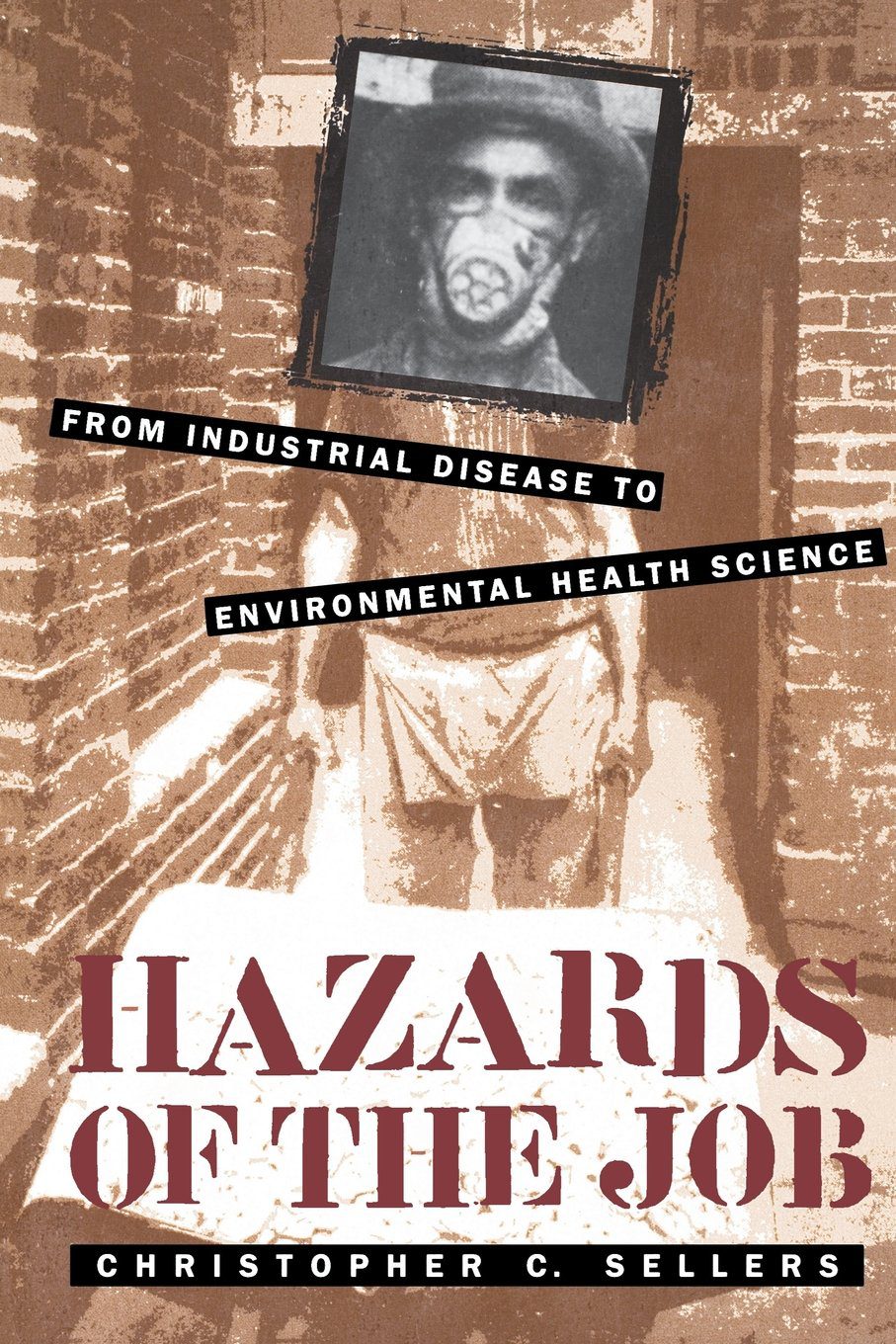
Cover of Hazards of the Job: From Industrial Disease to Environmental Health Science

Sellers’ work is tightly woven and tracks multiple factors that contributed to the development of environmental health science. First, his work follows a series of key studies across the American industrial landscape: phosphorus poisoning from match factories, lead poisoning from a number of industries, silicosis from mining, radium poisoning from watch-making, and others. These demonstrate the slow development of the objects of study for this field. His study also traces changes in who had the expertise and authority to comment on the underlying causes of the illnesses, who should bear the brunt of these diseases, and the impact that this kind of medical science had for both industry, the medical profession, the state, and the lives of workers. Among the many scientists that Sellers writes into the history of environmental health science, Alice Hamilton stands out as a key advocate for the social (and political) purpose of the field and its development. Her work is important even if other contemporary physicians (such as David Edsall at the Harvard Division of Industrial Hygiene) overlooked it because it did not meet their standards for depoliticized science.

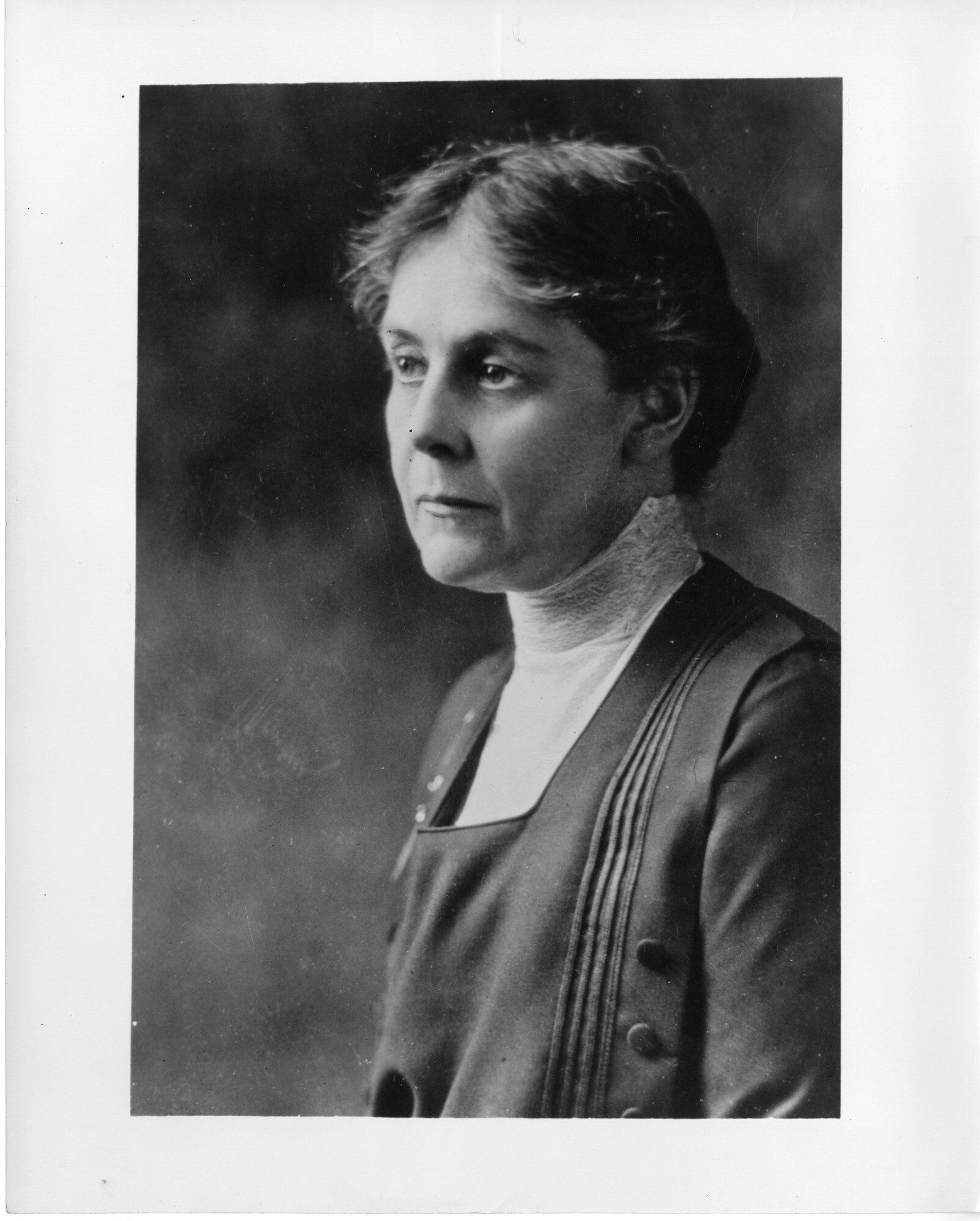
Dr. Alice Hamilton
Dr. Alice Hamilton (1869-1970), an expert in occupational health issues, was Assistant Professor of Industrial Medicine at Harvard Medical School. After graduating from the University of Michigan, Hamilton did additional research in Germany and then began a lifelong effort to apply bacteriology, pharmacology, and toxicology to public health. Source: Acc. 90-105 – Science Service, Records, 1920s-1970s, Smithsonian Institution Archives

The scope of the book is clearly-defined and the chapter sequence is well-structured. Sellers frames the presentation of his research with a question containing an easy touchstone for anyone interested in environmental humanities and environmentalism: where did Rachel Carson’s knowledge of toxins come from? Sellers starts his narrative with the 1893 Chicago exhibition, by drawing our attention to the lead that was present in much of its white paint. The book is presented with a great deal detail, which makes for a somewhat slower read, but the subject necessitates the slow, methodical weaving he sets out to do.

Sellers is writing about the nature of the production of knowledge, and the implications that it had for industry, American public policy, and medical education. Even if he doesn’t specifically highlight the voices of the workers, Sellers’ work illuminates what the stakes were them. Many industrial workers distrusted the physicians who examined them, for they could be deemed unfit to work, thus hampering their chances to earn a living. When he does return to Carson’s work towards the end of the book, it is easy to understand her work as inheriting this rich history.

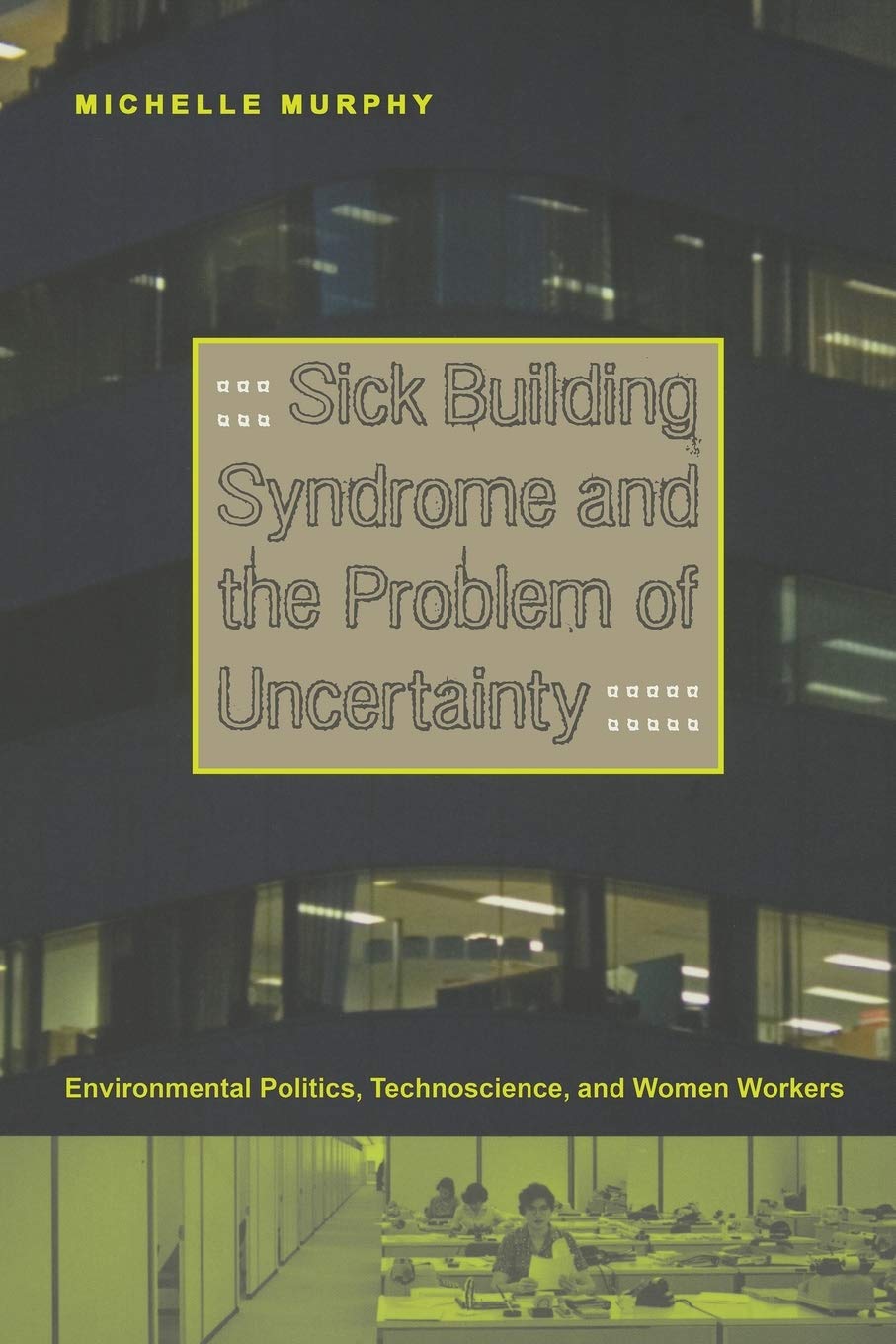
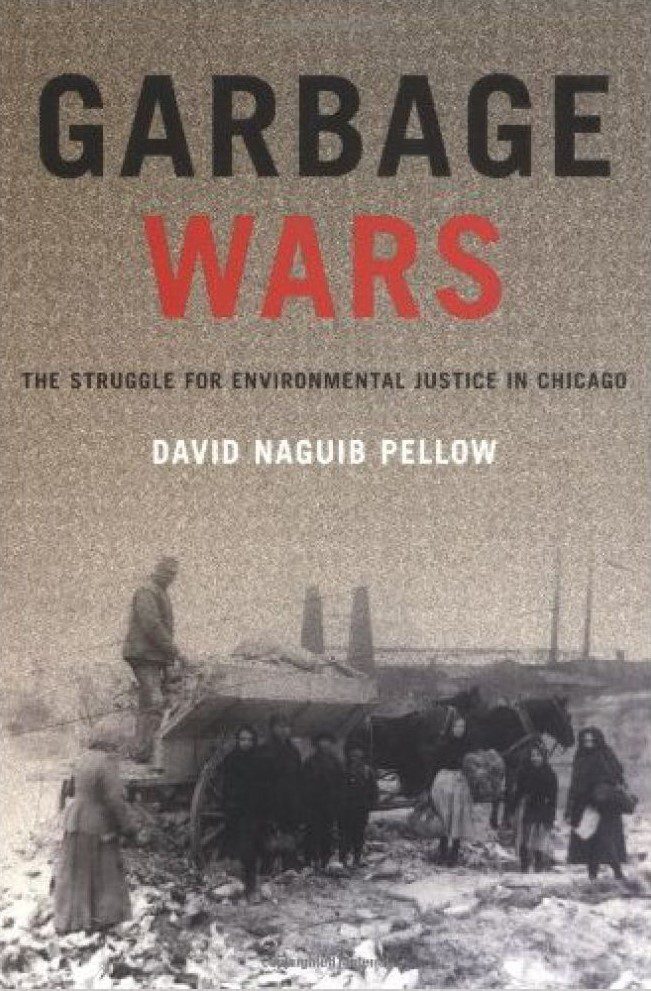
Sellers’ work is unique in that it first brought together medical and environmental history. In the wake of Hazards of the Job, a number of other studies of the environmental and health impacts of economic activity have followed, including Michelle Murphy’s Sick Building Syndrome and the Problem of Uncertainty: Environmental Politics, Technoscience and Women Workers (2006); David Naguib Pellow’s Garbage Wars: The Struggle for Environmental Justice in Chicago (2004); and Geoffrey Tweedale’s Magic Mineral to Killer Dust: Turner & Newall and the Asbestos Hazard (2000).

Book cover of Sick Building Syndrome and the Problem of Uncertainty: Environmental Politics, Technoscience, and Women Workers by Michelle Murphy
Book cover of Garbage Wars: The Struggle for Environmental Justice in Chicago by David Naguib Pellow

Within the fields of Environmental history and the History of science, Sellers’ book makes another key historiographical intervention. Given that  industrial diseases could not be studied only in the laboratory because a) their cause wasn’t always known and b) often it was a combination of environmental factors along with the pollutants themselves which produced the illness, the type of medical and environmental knowledge produced required study in industrial settings. In this regard, the early industrial work-place was neither a “field”, such as we might find in environmental histories of particular geographic regions, nor “the laboratory”, in the case of a specific type of invention or discovery.

Beyond these two fields,  Sellers makes wider contributions. By looking at the specific hazards that workers were exposed to, his work contributes to histories of labor, as well as  histories of public health as it outlines specific tensions between  medical education and industrial activity.

When we eventually meet Rachel Carson’s book, as the book draws to an end, we are able to understand not only the specific historical processes that resulted in increasing knowledge of toxins like DDT, but also the peculiar relationships of research between industry and health professionals. These research activities served to confirm the “benignity” (232) of American commodities in the latter part of the 20th century. This helps the reader understand, for example why even though knowledge of lead poisoning was common, leaded gasoline boomed in production until its eventual-phase out in the 1970s.

Ultimately, Sellers’ book is a valuable contribution to multiple fields and there is much within it that can be mined depending on one’s interest. It is a a challenging but rewarding read for anyone interested in the history of environmentalism.


The views and opinions expressed in this article or video are those of the individual author(s) or presenter(s) and do not necessarily reflect the policy or views of the editors at Not Even Past, the UT Department of History, the University of Texas at Austin, or the UT System Board of Regents. Not Even Past is an online public history magazine rather than a peer-reviewed academic journal. While we make efforts to ensure that factual information in articles was obtained from reliable sources, Not Even Past is not responsible for any errors or omissions.
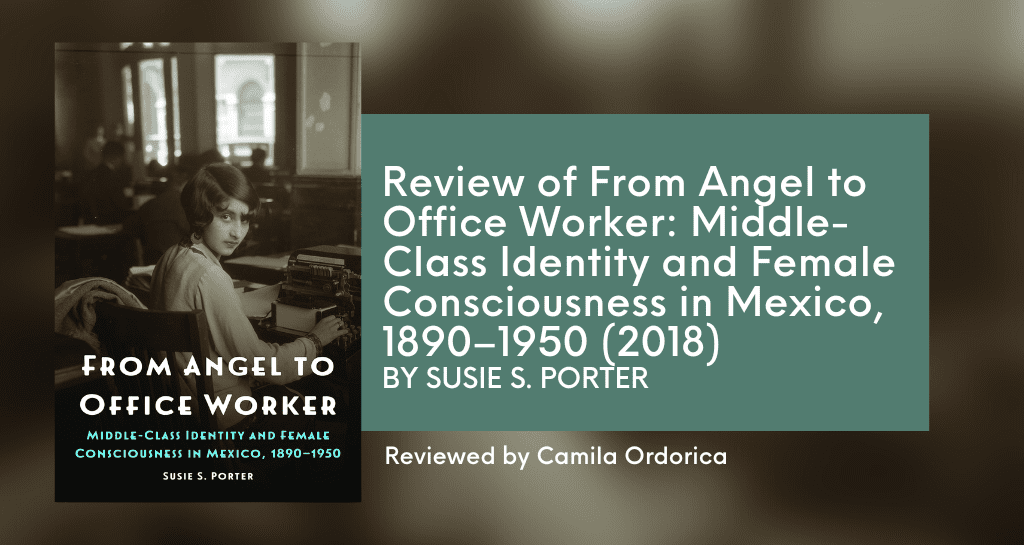
Review of From Angel to Office Worker: Middle-Class Identity and Female Consciousness in Mexico, 1890-1950 (2018) by Susie S. Porter

banner image for Review of From Angel to Office Worker: Middle-Class Identity and Female Consciousness in Mexico, 1890-1950 (2018) by Susie S. Porter

In this fabulous book, historian Susie S. Porter examines the material conditions of working women between 1890 and 1950 and the consequent formation of middle-class female identity in Mexico City. To highlight the historical existence of this social class in Mexican society, the author focuses her attention on the ways that societal practices and debates helped construct it. Porter’s class-based analysis of the early twentieth century Mexican women’s movement considers and engages both with public debate over the role of women in society as well as with women’s rights activism. Furthermore, she frames her research as part of a broader transnational history of women and gender that accounts for the contextually differentiated development of the “feminization of bureaucracy”. Taking into consideration the global feminist movements, the author represents how women’s work and feminist movements played out at the turn of the century, how they engaged and negotiated their position during and after the Revolution, and how they organized to demand improvements in their working and living conditions.

book cover for From Angel to Office Worker cover features a woman with a 1920s bob sitting at a typewriter.

From Angel to Office Worker is a history of labor feminism. Porter’s primary contribution to this scholarship lies in her focus on the middle and working classes as a combined unit of analysis rather than as separate entities fighting different battles within the struggle for women’s rights. In doing so, she makes a case for the inclusion of the middle classes into labor studies as a whole. Porter’s study highlights the role of women’s schools and women’s later incorporation in the post-revolutionary bureaucratic system in office jobs, such as typists, archivists, and administrative secretaries. She later contends that their employment informed their activism. In constructing her argument in this way, Porter draws from a long line of feminist literature that asserts the importance of the written word (cultura escrita) in the political empowerment of women.

This, of course, links her research with female activism for the right to education, a history she traces in the implementation of schools for girls in the city, with a particular focus on the Miguel Lerdo de Tejada Commercial School for Young Ladies, inaugurated in 1903 under the governance of Porfirio Díaz. The importance Porter gives to commercial schools is an essential aspect of the book. She presents them as places of socialization where girls gained social and cultural through which they were able to find jobs and form networks of employed and educated women. These would become the nexus of feminist organized struggles.

One of the book’s most important contributions is the history Porter presents of the concept of feminism. As any sociopolitical concept, feminism has a conceptual history of its own that reflects how the concept has been used and defined depending on the historical, cultural, and social contexts it has been applied in. Thought the book, the author traces this conceptual history and in doing so explains the importance this has in the production of women’s history in Mexico. Hence, the book has a second function aside from studying the development of Mexican middle-class identity, namely tracing this concept’s incursion into Mexican society through its use and application to certain female-related practices. Susie Porter traces these practices through a meticulous analysis of the press. Her primary sources are mostly newspapers, both feminine and national ones. Media (film) is only consulted in the last chapter due to the study’s temporal focus. There is a book there waiting to be written.

Feminist march in Mexico City, circa 1940s
Feminist march in Mexico City, circa 1940s. Source: D.R. Instituto Nacional de Antropología e Historia, México.

The book is divided in seven chronological chapters, each of which that trace the Mexican history of the concept of feminism and of middle-class identity formation in parallel. Although From Angel to Office Worker concludes before women won the right to vote in 1955, the last two chapters engage with the early stages of suffrage activism. The book begins by tracing the discursive and material conditions of class in Mexico at the turn of the century. Thus, the first chapter conceptualizes the author’s class-based analysis and contribution. From there, Porter engages with women’s education and their incursion into the workplace (Chapter 2-3). Changes in women’s employment led to a shift from teaching, the feminine profession per excellence, to working in the bureaucratic system (Chapter 4-6). In these three chapters, the author studies and analyzes the female organizations led by women, which pressured the government to take into consideration and to apply reforms for women in order to benefit for the revolutionary government. The author’s historical analysis is impressive since the history of Mexican feminisms is a highly understudied topic. Finally, the book finishes off with an analysis of Sarah Batiza Berkowitxz’s book Nosotras las taquígrafas, and its filmographic adaptation by Emilio Gómez Muriel which the author argues exemplify the general concerns and perceptions of female workforces at a pivotal moment when a backlash aimed at removing women from the bureaucratic workforce struck.

Today, organized feminist struggles are at the core of political mobilization in favor of social justice in Mexico. One need only skim the news to see the pressure both government and society are under to dramatically modify the power structures that have historically oppressed women and feminized bodies. From Angel to Office Worker demonstrates that organized feminisms and the struggles for women’s inclusion in the workplace and society in Mexico is a century-old battle that has gone through many different stages, of which the book analyzes only one. By taking up the book, the reader can be certain that they will deepen their knowledge on the fundamental role women have historically played in the consolidation and creation of history, citizenship, and society in Mexico. More importantly, the readers will be surprised to see Mexican revolutionary and postrevolutionary history in a completely different light, one which separates itself from its highly masculine characters, premises, and common places.


The views and opinions expressed in this article or video are those of the individual author(s) or presenter(s) and do not necessarily reflect the policy or views of the editors at Not Even Past, the UT Department of History, the University of Texas at Austin, or the UT System Board of Regents. Not Even Past is an online public history magazine rather than a peer-reviewed academic journal. While we make efforts to ensure that factual information in articles was obtained from reliable sources, Not Even Past is not responsible for any errors or omissions.

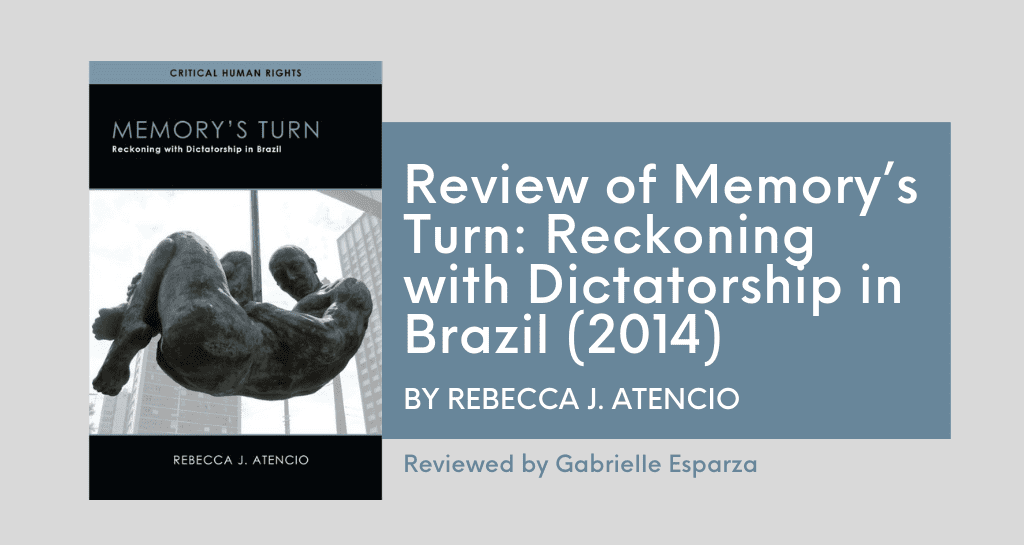
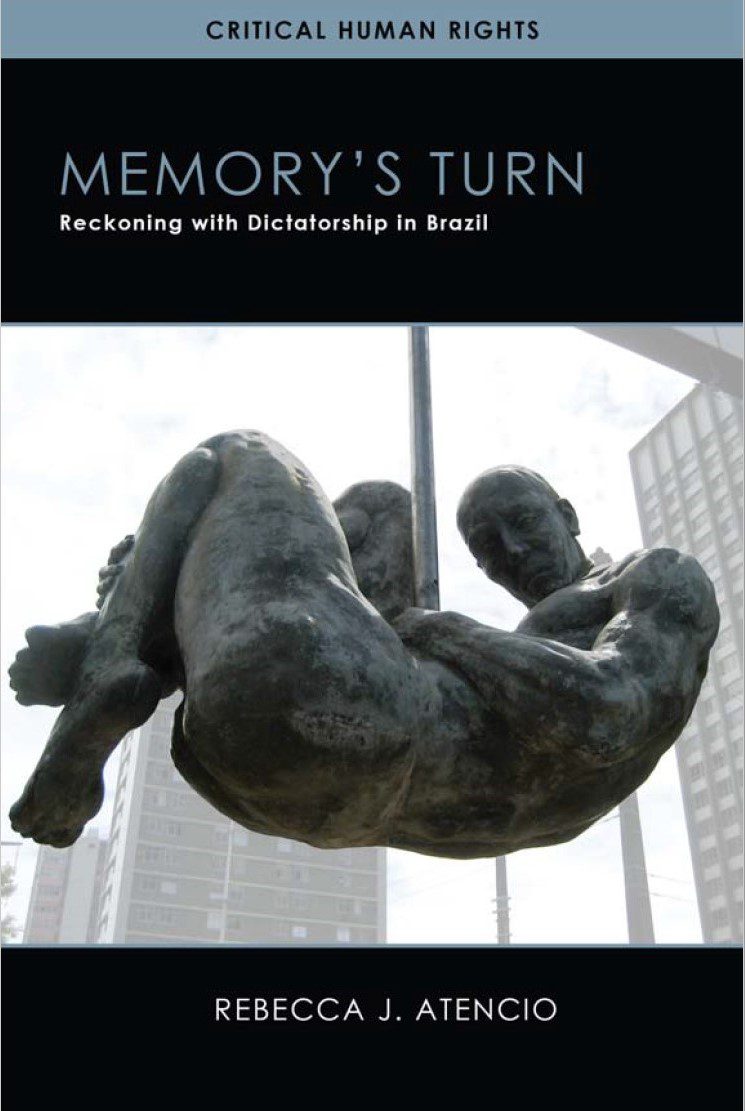
Review of Memory’s Turn: Reckoning with Dictatorship in Brazil by Rebecca J. Atencio (2014)

banner image for Review of Memory’s Turn: Reckoning with Dictatorship in Brazil by Rebecca J. Atencio (2014)

On November 18, 2011, Brazilian President Dilma Rousseff launched the National Truth Commission (Comissão Nacional da Verdade or, CNV). The CNV’s mandate included the investigation of torture, disappearances, executions, and other human rights abuses committed between 1946 and 1988. The commission’s period of inquiry covered twenty-one years of military rule, from 1964 to 1985.[1] The National Truth Commission began more than two decades after the dictatorship’s end, and this delay makes Brazil one of the last countries in Latin America to undertake a state-sponsored investigation of human rights violations committed during the Cold War.

Members of the National Truth Commission delivers its final report to President Dilma Rousseff in 2014
The National Truth Commission delivers its final report to President Dilma Rousseff in 2014.
Source: Isaac Amorim

Brazil, the third country in Latin America to undergo a democratic transition, has lagged behind many of its neighbors in the fight for truth and accountability. This occurred, in part, because of the gradual nature of the transfer of power. The military regime had achieved a relatively successful socioeconomic record and maintained a significant level of societal support. As a result, the armed forces exercised a high degree of control over democratization and successfully negotiated the conditions of this transition.[2]

Among the most substantial concessions won by the military was the 1979 Amnesty Law, which granted pardons for political or related crimes perpetrated between 1961 and 1979. Interpreted broadly since its passage, the 1979 amnesty has guaranteed impunity for state agents who committed human rights abuses. In Memory’s Turn: Reckoning with Dictatorship in Brazil, Rebecca J. Atencio, a professor of Brazilian literary and cultural studies, takes 1979 as democratization’s starting point and traces Brazil’s transitional justice process within a regional context.

The first book to analyze institutional and cultural responses in the aftermath of state terrorism in Brazil, Memory’s Turn (2014) seeks to understand the dynamic relationship between transitional justice mechanisms and exceptional cultural works (literature, television, film, and theater). Atencio’s innovative approach attempts to bridge two distinct fields: memory studies and transitional justice studies. Memory’s Turn asks readers to consider whether activity in one realm affects outcomes in the other. Atencio does not argue there is a causal relationship between artistic-cultural production and institutional mechanisms, but she does contend that interplay between the two realms can “magnify and prolong the impact of both and thereby lay the foundation for further institutional steps.”[3]

Memory's Turn Cover

Atencio primarily concerns her study with the public reception and framing of cultural works. This emphasis leads her to rely on mass media, scholarly criticism, and published interviews by artistic producers (memoirists, actors, network producers, screenwriters) as well as the cultural works themselves. Although Atencio consulted scholars, creators, and activists during her research, she does not include personal interviews in her analysis. The reliance on published statements reflects her desire to understand how cultural producers framed their works and agendas in public debates.

In order to study the interaction between cultural production and transitional justice, Atencio first selected key institutional measures and then identified “linked” works. She considers cultural and institutional acts linked when they launch around the same time, and the general public begins to associate the two events with one another. This creates what Atencio defines as an “imaginary linkage.” Once the public has paired cultural and institutional mechanisms, individuals or groups can leverage the connection in order to promote their agenda. Atencio refers to this multi-part process as a “cycle of cultural memory.”[4]

Over four chapters, Memory’s Turn traces four cycles of cultural memory that took place between the 1970s and early 2010s. Not all works that emerge concurrently with an institutional mechanism become paired, so Atencio focuses her analysis on a few exemplary artistic-cultural productions that achieved this imaginary linkage. Chapter one analyzes how Brazil’s Amnesty Law became associated with two memoirs published by former militants: O que é isso, companheiro by Fernando Gabeira and Os carbonários by Alfredo Sirkis. The following chapter explores the television mini-series Anos rebeldes, partially inspired by Sirkis’s memoir. The show coincided with the impeachment process initiated against Fernando Collor de Mello, Brazil’s first-democratically elected president following the dictatorship, and became tied to popular student protests. In chapter three, she examines Fernando Bonassi’s novel Prova contrária in conjunction with the commission formed to award reparations to the families of those disappeared under the military regime. The final chapter investigates the connection between the play Lembrar é resistir and the establishment of Brazil’s first official site of memory at a former torture center in São Paulo.

book cover for O que é isso companheiro
book cover for os carbonários
book cover for prova contrária

By evaluating individual cycles of cultural memory, Memory’s Turn moves chronologically from the dictatorship’s end to the present day. Atencio brings these case studies together in her concluding chapter, which analyzes the longer arc of transitional justice and collective memory processes in Brazil within a global context. Ultimately, Atencio concludes that the linkage between cultural works and institutional mechanisms can foster wider public engagement and new efforts to reckon with the past.[5] As a result, cultural producers, along with human rights groups and activists, have led the turn to memory in Brazil and pressured the state to abandon its politics of silence. 

Although Brazil’s long period of official silence presents some challenges to transitional justice studies, the Brazilian case emerges as a test case to assess the impact of delayed mechanisms. Unlike its regional counterparts, Brazil has adopted a more gradual approach to reckoning with its authoritarian past. The first institutional measure, a reparations program, did not arrive until ten years after the democratic transition. As trials and memory work continue to progress throughout Latin America, Brazil provides insight into how and why transitional justice approaches change over time. Shifting social and political landscapes influence trajectories and outcomes.

Memory’s Turn traces the evolution of Brazil’s transitional justice process and acknowledges its complexities without treating the Brazilian experience as unusual or exceptional. By placing Brazil within a regional context, Rebecca Atencio offers a unique theoretical insight for transitional justice studies. Memory’s Turn provides scholars a model for conceptualizing the dynamic relationship between legal mechanisms and cultural works in post-conflict societies. Over the long term, Atencio’s theoretical framework will apply to other national and regional contexts and help scholars better understand the long-term impact of transitional justice measures in post-conflict societies. 


[1] “Brazilian Truth Commission Has Historic Responsibility,” International Center for Transitional Justice, last modified May 11, 2012, https://www.ictj.org/news/brazilian-truth-commission-has-historic-responsibility.

[2] Zoltan Barany, The Soldier and the Changing State: Building Democratic Armies in Africa, Asia, Europe, and the Americas (Princeton, NJ: Princeton University Press, 2012), 128.

[3] Rebecca J. Atencio, Memory’s Turn: Reckoning with Dictatorship in Brazil, (Madison, WI: University of Wisconsin Press, 2014), 8.

[4] Ibid, 6-8.

[5] Ibid, 125.

The views and opinions expressed in this article or video are those of the individual author(s) or presenter(s) and do not necessarily reflect the policy or views of the editors at Not Even Past, the UT Department of History, the University of Texas at Austin, or the UT System Board of Regents. Not Even Past is an online public history magazine rather than a peer-reviewed academic journal. While we make efforts to ensure that factual information in articles was obtained from reliable sources, Not Even Past is not responsible for any errors or omissions.
This is Democracy – Participatory Democracy from the Sixties to Today

On this episode, Jeremi and Zachary, with guest Dr. Vaneesa Cook, discuss the Port Huron Statement, and the shifting ideals of democracy in America.

Zachary sets the scene with his poem, “Port Huron Revisited.”

Vaneesa Cook received her PhD in US history from the University of Wisconsin-Madison in 2015. She is the author of Spiritual Socialists: Religion and the American Left. Her articles on the history of social movements and religious thought have appeared in The Washington Post, Dissent magazine, and Religion & Politics, among others. She is currently the Defense POW/MIA Accounting Agency historian in residence for the UW-Madison Missing in Action Project.

About This is Democracy

The future of democracy is uncertain, but we are committed to its urgent renewal today. This podcast will draw on historical knowledge to inspire a contemporary democratic renaissance. The past offers hope for the present and the future, if only we can escape the negativity of our current moment — and each show will offer a serious way to do that! This podcast will bring together thoughtful voices from different generations to help make sense of current challenges and propose positive steps forward. Our goal is to advance democratic change, one show at a time. Dr. Jeremi Suri, a renowned scholar of democracy, will host the podcast and moderate discussions.
José and His Brothers

José and His Brothers

Pampa Unión, today, is a ghost town lost in the Atacama Desert, a mile high and halfway between the Chilean mining centers of Antofagasta and Calama. Founded over a century ago as a medical way station, it quickly became a resting place for nitrate miners on their days off, complete with all the supplies and entertainments that working men required. With two main streets and just one tree, the 2,000 stable inhabitants entertained a floating population of up to 15,000. The town was abandoned in 1954. All that is left today are the ruins of adobe walls with broken bits of signage and a cemetery. 

Diego was the one with the artistic inspiration. They were humble ideas, at the beginning, but he took them seriously. He could move heaven and earth to make something out of whatever it was he had in his head.

So, he went up to the pampa with fifteen classmates and a couple of movie cameras, the best they could get their hands on. It was quite the production. For Pampa Unión. The idea was a short feature about a young man who goes there to meet his ghosts, the hidden history of his rootless family, buried in the toxic sands of an abandoned mining town.

Pampa Union
Pampa Unión (via Wikimedia Commons)

They even had a visit from Diego’s baby sister. She couldn’t stay, of course, but she went for the day. They dressed her like a doll from the nineteenth century and they filmed her with flowers in her hand wandering around among the tombstones. It was traumatic for her, because some of the graves had been disturbed. For art’s sake. The point was that suffering ran deep in Chilean veins. We were a nation of exiles, slaves, and survivors. Or something like that. It would be disconcerting to be from a ghost town, I guess.

The boys went up there to rough it, but they also went to have a good time. The desert is enchanting. It has a magic that wakes up all your neurons. When you are from the city, the purity of color, light, and shadow connects your soul with the depths of life and death, past and present. I drove up to see them, about the fifth day of their odyssey. They said, whatever else I brought, to please bring water. They were running out.

A mausoleum that exhibits years of decay
Pampa Unión (via Wikimedia Commons.)

There was a scene with a hot-air balloon. The protagonist needed to send a message, an urgent, desperate call for help. Like when someone lost at sea might send a message in a bottle, but airmail. As if everyone just had a hot-air balloon stashed in their billfold for emergencies. As if wind-born balloons ever made it to their intended addressees. The story didn’t have to be realistic, comrade, just visually pleasing.

Hot-air balloons were a thing, right about then, in the artistic community of Santiago. The dictatorship had been over for almost a decade, and even Plaza Ñuñoa had become a center for a new species of night life that posed as politically aware. Starving artists, the kind Neruda called, anarcocapitalistas, would show up with marionettes, walking on stilts or pointlessly lifting off hot-air balloons, in exchange for pocket change from passers-by, and demanding that a Ministry of Culture be created to fund the fog of marijuana smoke in which they floated. Diego got his hands on three hot-air balloons, bright red and white, and he took them up to Pampa Unión.

All three had to look the same, so that his team could film the scene three times from different angles and create the illusion of just one balloon. And they had to film at dawn, because that was the only time of day that the wind wouldn’t abduct their temperamental prop and send it tumbling sideways across the desert. There were about fifteen minutes of quiet just as the sun came up. After that, the wind began to swirl around like the noxious gas on the surface of Jupiter until the sun went down.

Two men stand between two walls. The walls have faded painted advertisements
Photo via the author.

It was the first time that all fifteen of them had ever gotten up that early. Some had hardly slept. To buffer the dopamine, they drank at night. Not a good idea, not in that climate. Alcohol dehydrates you. But it was tradition. Sebastián, nicknamed el Perro, would crawl out of his sleeping bag, muttering, If I’ve said it once, I’ve said it a thousand times. I will never drink again. It was like the folksong from Carnaval in Bolivia, the one that says, they were nice boys, but they just couldn’t stop drinking.

The scene with the hot-air balloons was a success. They spent the rest of the day in the cemetery, where they got to know the whole town: names, nationalities, dates of birth and death. People died young. There were cemetery ghettos of Croatians, English, Mapuche, and even Chinese. I brought their dirty clothes home to wash. Imagine, fifteen twenty-year-olds, no showers, drinking at night and filming in the cemetery during the day. They reeked of sand, sweat, alcohol, and cadaver.

José and his brother, Francisco, went with me. They weren’t from Santiago. They were from Antofagasta. Well, they weren’t from Antofagasta, either, comrade. Their father and grandfather had grown up on the pampa. They were desert people from way back.

Walking around in the ruins, it was easy to figure out which was the street with the hardware stores, and which one had been for cantinas and bordellos. Most of the roofs had fallen in, but there were still signs painted on the walls of the once-thriving businesses. And there was junk on the ground. Kitchen middens of the future, an archeologist’s dream that we were disturbing. There were spoons and saucers, most of them bent or broken. There were wine bottles, shattered with the cork still in. There were tin plates, costume jewels, bits of clothing and other residue of a forgotten humanity from almost a century ago.

Two men stand between two walls
Photo via the author.

Among all the junk, we found some bent pieces of tin, one shaped into a star, another that looked like a ship, and one that was shaped like a child. The boys from Santiago, smart as they were, had no explanation. José picked one up, as if to examine it in the light, the very bright desert light, and he said, this is a toy. My grandfather used to make these. A loaded silence of amazement descended over the boys from Santiago. José had given himself away. He had revealed his roots and the endless desert sand into which they sank, publicly claiming the pampa as his own. For him, this was no short feature film. For him, la pampa was the real thing.

Though the original population in Pampa Unión had been inordinately skewed toward masculinity, there were females. Children were born. Sometimes, they survived the diarrhea and the diphtheria. They got old enough to need something to play with.

Supplies came up from down below. There was wine and aguardiente. There was beef, kept on the hoof, as there was no refrigeration. There were satin dresses for the prostitutes and Victrola Talking Machines to create a romantic ambiance for fantasy love affairs. But it never occurred to anyone to send up a doll, a stuffed bear, or a toy truck.

So, grandparents would take their tin shears—they had those—and try to make something nice to stimulate the imagination of the toddlers who had never known anything other than the infinite horizon, the blinding clarity of midday and the starlit dark of night. In la pampa, grandparents were often no older than about thirty-five. Anyone who lived to be forty got the hell out of there.

In Antofagasta, José’s grandfather kept making toys out of empty tin cans. A long time ago, few toys made it there, either. No toys, no fruit and no conjugated verbs. People with money took trips to Santiago if they wanted something nice. Poor children did without. Raising children was not the objective, there. You had to get the ore out of the ground. You had to get it down the mountain, onto ships, into trains and out of there. That was all. Playful little brats were slag, byproducts of some miner’s love affair on his day off.

Even so, grandfathers found tender spots for toddlers and got busy with their tin shears. Compared to X–boxes, the tin-can toys might have seemed like nothing at all. But, compared to nothing at all, comrade, well, that was another story. They were the first thing that delighted the eye of virgin innocence. For the semi-abandoned babies of the desert, tiny tin toys were shining treasures, an opportunity to imagine the garbage dump where they lived transformed into burgeoning beauty. They were a chance, maybe their only chance, to ever contemplate the world as it might have once been, as it could someday become. Those toys did tend to have sharp edges and pointy places. They were dangerous toys that prepared children for life in the Norte Grande, a life with lots of rough edges.

The guys from Santiago grew quiet. José’s revelation gave them pause. They realized the deficiencies of their own elitist upbringing. José became silent, too. He understood, in that moment, the cultural and geographical abyss that separated him from the sons of wealth, privilege, and power. He had played with those toys. Francisco had, too.


More From Nathan Stone:

Three-year-olds on the world stage

Underground Santiago: Sweet Waters Grown Salty

Miss O’Keeffe

For further reading, see Hernán Rivera Letelier’s novel about Pampa Unión, Fatamorgana de amor con banda de música. (Santiago: Planeta, 1998)

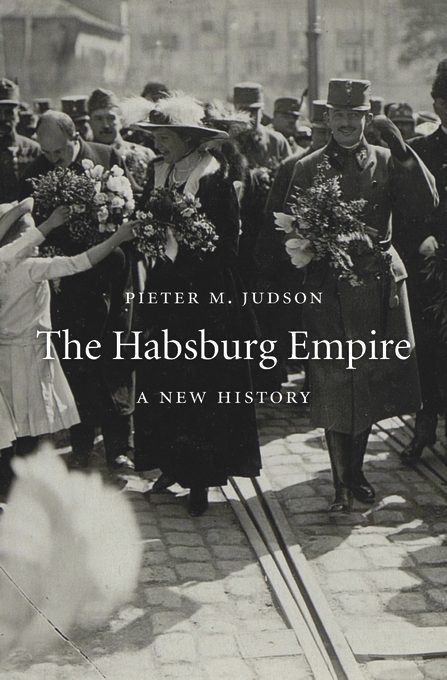
The Habsburg Empire: A New History by Pieter Judson (2016)

By Jonathan Parker

This excellent work by historian Pieter Judson shows how the Hapsburg empire was a modernizing force that sustained a complex but often mutually beneficial relationship with the various nationalist movements within its borders.  To support this argument, Judson synthesizes an impressive number of existing works on narrower topics into a cohesive narrative history of the empire from the late eighteenth century until its demise at the end of World War I. Judson claims that the empire was hardly doomed prior to 1914, arguing against long-standing nationalist histories of the empire’s inevitable collapse. While The Habsburg Empire is not without its flaws, it will surely remain required reading for anyone interested not only in the empire itself, but more broadly in the history of state-building, modernization, and nationalism in the nineteenth century.

The Habsburg Empire is not intended to be a blow-by-blow account. Instead, it tries to build an updated framework for thinking about the empire over its final century. Judson achieves this by borrowing from works on peasant life and the lives of oil workers in Galicia, on Slavic nationalist movements in what would later become Yugoslavia, and on industrialization and its consequences in Bohemia, Moravia, Lower and Upper Austria, and Silesia. He also draws on the complex political history of Vienna and Budapest, as the nature of the Habsburg state was debated, negotiated, and repeatedly hammered out over the course of an entire century. Consequently, Judson covers a lot of ground while touching on a limited number of key issues.

The discussion of industrialization is a good example. Despite the leadership’s conservative commitment to monarchy and its rejection of the French Revolution in the decades between the Napoleonic Wars and the 1848 revolutions, the empire underwent dramatic economic and social change. The imperial government was deeply suspicious of any potentially revolutionary or democratic activity, and yet it was also strapped for cash and resources. New technologies and techniques, including the building of railroads and capitalist institutions, encouraged not only economic growth, but also a kind of civil society as private middle-class and noble actors sought to address problems the government could not or would not face. As Judson argues, this period was not one of economic stagnation that laid the groundwork for so-called “East European backwardness,” but rather one in which subjects and citizens took an active role in social and economic change. In other words, this period of political conservatism saw grassroots development of democratic institutions and market forces. This point meshes with Judson’s broader argument that Habsburg imperial citizens took an active role in government and society, and that the empire held intrinsic value as a vehicle, rather than an obstacle, for public improvement.

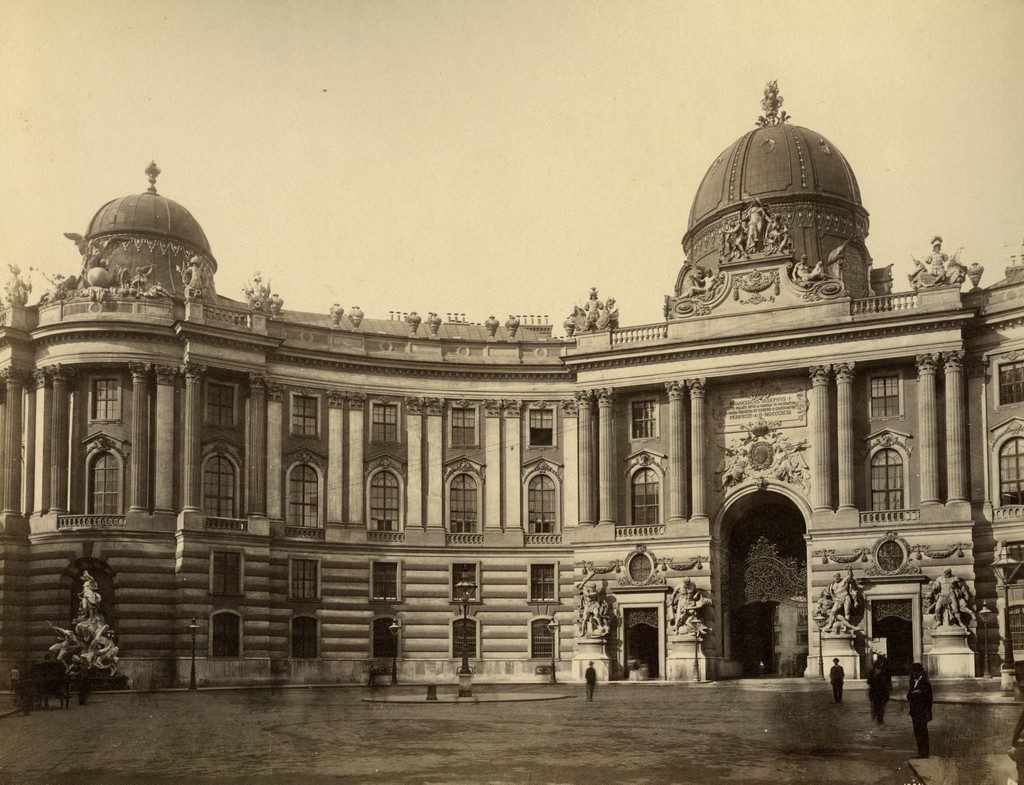
The Hofburg, 1897 (via DPLA)

How then does Judson explain the final collapse of the empire, if it really was not doomed long before the First World War? In his final chapter, Judson argues that the imperial state lost a great deal of its legitimacy in the eyes of its citizens during the war. Prior to the war there had been a sense in many quarters that the empire essentially served its citizens, and that even nationalists and Marxists could promote their agendas through its institutions. However, shortly after the war began, martial law was declared and many democratic governmental organs were suspended along with citizens’ rights by conservative, anti-democratic forces in the military. Combined with shortages of food and other essentials as well as catastrophic tactical failures on the battlefield (which virtually wiped out the empire’s entire corps of professional soldiers within the first months), these actions severely undermined faith in the empire’s ability to provide for its people. Even though democratic rule of law was restored half-way through the war, the damage had already been done. Nationalist organizations were then able to capitalize on the situation by organizing welfare relief, vastly improving their own legitimacy in citizens’ eyes and in contrast to an apparently failing state. Judson goes further and claims that the “doomed long ago” narrative was promoted by nationalists and arch-conservative imperialists alike, one in order to legitimize the post-war order of nation-states, and the other to put the blame for the empire’s sudden collapse on someone else. With this book, Judson offers a corrective.

In The Habsburg Empire: A New History, Pieter Judson has set a standard for general histories of the empire and produced a framework with which future specialist monographs can productively engage. This eminently readable book will be appreciated by students and scholars of European history as well as the general reading public.

More By Jonathan Parker:

The Refugees of ’68: The U.S. Response to Czechoslovak Refugees during Prague Spring

Historical Perspectives on Agnieszka Holland’s In Darkness (2011)

You Might Also Like:

The End of the Lost Generation of World War I: Last Person Standing

US Survey Course: The World Wars

The Snows of Yesteryear by Gregor Von Rezzori (2008)

« Previous Page
Next Page »

Recent Posts

  • The Radical Spanish Empire Roundtable – Introduction
  • All Eyes on the Petition: Reflections on The Radical Spanish Empire
  • Forgery, Invention, and the History of Skepticism in The Radical Spanish Empire
  • Iberian Subaltern Political Philosophies and The Radical Spanish Empire
  • Lawfare and the Legal Construction of Race in The Radical Spanish Empire
NOT EVEN PAST is produced by

The Department of History

The University of Texas at Austin

We are supported by the College of Liberal Arts
And our Readers

Donate
Contact

All content © 2010-present NOT EVEN PAST and the authors, unless otherwise noted

Sign up to receive our MONTHLY NEWSLETTER

  • New
  • Features
  • Reviews
  • Texas
  • Teaching
  • Digital
  • Watch & Listen
  • Authors
  • About