• New
  • Features
  • Reviews
  • Texas
  • Teaching
  • Digital
  • Watch & Listen
  • Authors
  • About

The past is never dead. It's not even past

Not Even Past

From PhD to Public Advocate: My Path

By Yael Schacher

(via Pexels)

In my first year on the job market in the fall of 2015, with a fresh PhD in American Studies from Harvard, I did not get an interview for a job at another university where I had been teaching as an adjunct (and getting stellar evaluations) for three years.  This kind of rejection is not unusual, of course, but it was a wake-up call for me. It prompted me to take several steps which, in retrospect, seem more connected and directed than they did at the time. All of them led toward the job I began in January 2019 as a senior advocate at a refugee policy NGO in Washington, DC., where I am focusing on US asylum policy and immigration issues with humanitarian protection implications.

Refugees International, the NGO where Dr. Schacher works (via Refugees International)

First, I sought out meaningful projects and other institutional homes. Although I continued to teach one course a term at the university that had passed me over, I accepted a lectureship at a different kind of school: a liberal arts college where the teaching and institutional culture was quite different. One of my graduate school advisors suggested that I join a public policy research team led by a colleague at the Harvard Kennedy School. I got paid to do very interesting historical research (related to, but not precisely in, my field of immigration history) and also learned how to collaborate on a policy driven project. Another one of my graduate school mentors, a professor at the Harvard Law School, invited me to give a guest lecture in one of her classes.

Second, I decided to get more involved in advocacy, as I felt I had less to lose and a great deal to give. I ran and was elected to serve on the executive committee of the AAUP (American Association of University Professors) at the university where I had been teaching and focused my attention on two issues:  the treatment of adjunct faculty and undocumented students.  I also began volunteering one day each week at the legal services office of an immigrant aid organization near my home. I had studied and taught the history of immigration and refugee policy; now I was helping migrants apply for asylum and adjust their status. I went to immigration court with a young boy from Honduras who had crossed the border on his own and was placed with family members all the way in Connecticut. I helped numerous women apply for relief under the Violence Against Women’s Act and as victims of trafficking. The work at the immigration organization was gratifying, especially the conversations about immigration policy and casework that I had with social workers and attorneys there.  It was especially rewarding to do this work in the wake of the presidential election in the fall of 2016, when I felt a bit less helpless than some of my fellow academics. I had an outlet to at least try to make a difference in the lives of people who would be most affected by the new administration’s policies.

Still, I had not given up the hope of getting a professorship or of publishing my dissertation as a book. Throughout the fall of 2016, I applied for jobs and postdocs. I paid my way to go to the annual meeting of the American Historical Association for a preliminary interview that did not lead to a campus interview. I also had a skype interview that did lead to a campus interview at a liberal arts college in the early spring—but no job offer. When I learned that I had received a postdoctoral fellowship at UT’s Institute for Historical Studies, I was thrilled, but also unsure if I should take it because it would mean spending so much time away from my school-age children and partner (who could not move across the country for just a year). My partner was supportive and so I went off to Texas in the fall of 2017 (returning home for one or two long weekends each month and all breaks).

Poster for the AHA’s annual meeting in 2016 (via AHA)

At first, being at UT made me all the more determined to find a way to stay in academia. I was treated as a scholar, given time and resources to write and research, and was surrounded by graduate students, postdocs, and professors doing amazing projects.  But, so much was going on in contemporary immigration policy—and on the very issue, asylum-seeking, to which I had devoted a decade of study — that I sought out colleagues at the law school and at an immigrant aid organization in Austin to continue working in advocacy. I resented the tremendous amount of time and energy I had to spend, yet again, on job applications—rather than writing my book—and the travel and preparation for interviews and job talks that did not lead to job offers.

In the winter of 2018, I had back to back experiences that most directly led me to where I am now. First, I traveled overseas for an interview and job talk. I realized there that, even if I were to get the job, moving would be a tremendous hardship for my family and I would have little opportunity to do research in US-based archives. Then, when I returned to Texas, I went with the UT law school’s immigration clinic to the Karnes detention center to help women asylum-seekers prepare for their credible fear interviews. I knew then: given the contemporary academic and policy landscape, advocacy was much more appealing to me than academia.

In the spring of 2018, my mentor at the Harvard Law School asked me if I would join her and some colleagues to write a history of the contemporary American asylum system (essentially, picking up where my dissertation left off). I presented a conference paper on asylum advocacy in the 1980s—focusing especially on how contemporary litigation was replaying some of that decade’s battles. Returning to Connecticut, I continued volunteering at the immigrant aid organization, seeing first-hand how new policies influenced casework. When, in June, I saw the advertisement for the job at the refugee policy NGO, I jumped at the chance to apply. This was at the same time that the administration’s family separation policy was in the headlines and  I felt an urgency to use what I knew about the past to influence the present.

Pragmatically, I knew I had appropriate writing samples and strong references. When I got the interview, I reached out to academics who had shifted to working at think-tanks and non-profits and they helped me prepare effectively. I was an unconventional candidate for the job—the others had degrees in law or public policy. But I had deep knowledge,  a broad network, and evidence of commitment. This was a newly created position for the organization; contemporary policies and events were leading it to focus on asylum policy in the US in a way it had not done before. We made a great match.

Like other historians of immigration, I frequently point to past “crises,” debates, and policies that resonate with those of today.  That the present seems so similar to—if not worse than—the past, can lend itself to a cynical throwing up of the hands: the more things change, the more things stay the same; history is cyclical and progress a myth. My new job forces me to do something more: to use what I know about patterns and dynamics in the past, particularly about the dialectic between advocates and officials, to figure out what could effectively push policy in a better direction. I am excited to use my analytical and writing skills in my new job. But I also have to learn to write a bit differently. The historian me tends to try to learn everything I can about a given topic, figure out who wields power and how institutions work in a time and place, and, tentatively, interpret and criticize assumptions and methods. In my new job, instead of starting with a context, I start with a goal–and write about why and how we need to get there.  To do this, I will combine the analytical skills I sharpened in my research on asylum with the concrete approach I developed while engaged in direct legal representation of asylum seekers. This pragmatism is new to me, but also feels right, especially right now.

You May Also Like:

My Alternative PhD in History
History Museums: Race, Eugenics, and Immigration in New York History Museums
Violent Policing on the Texas Border

Also by Yael Schacher:

A View from the Bridge (Directed by Sidney Lumet, 1962)


From There to Here: Lina de Castillo

By Lina de Castillo 

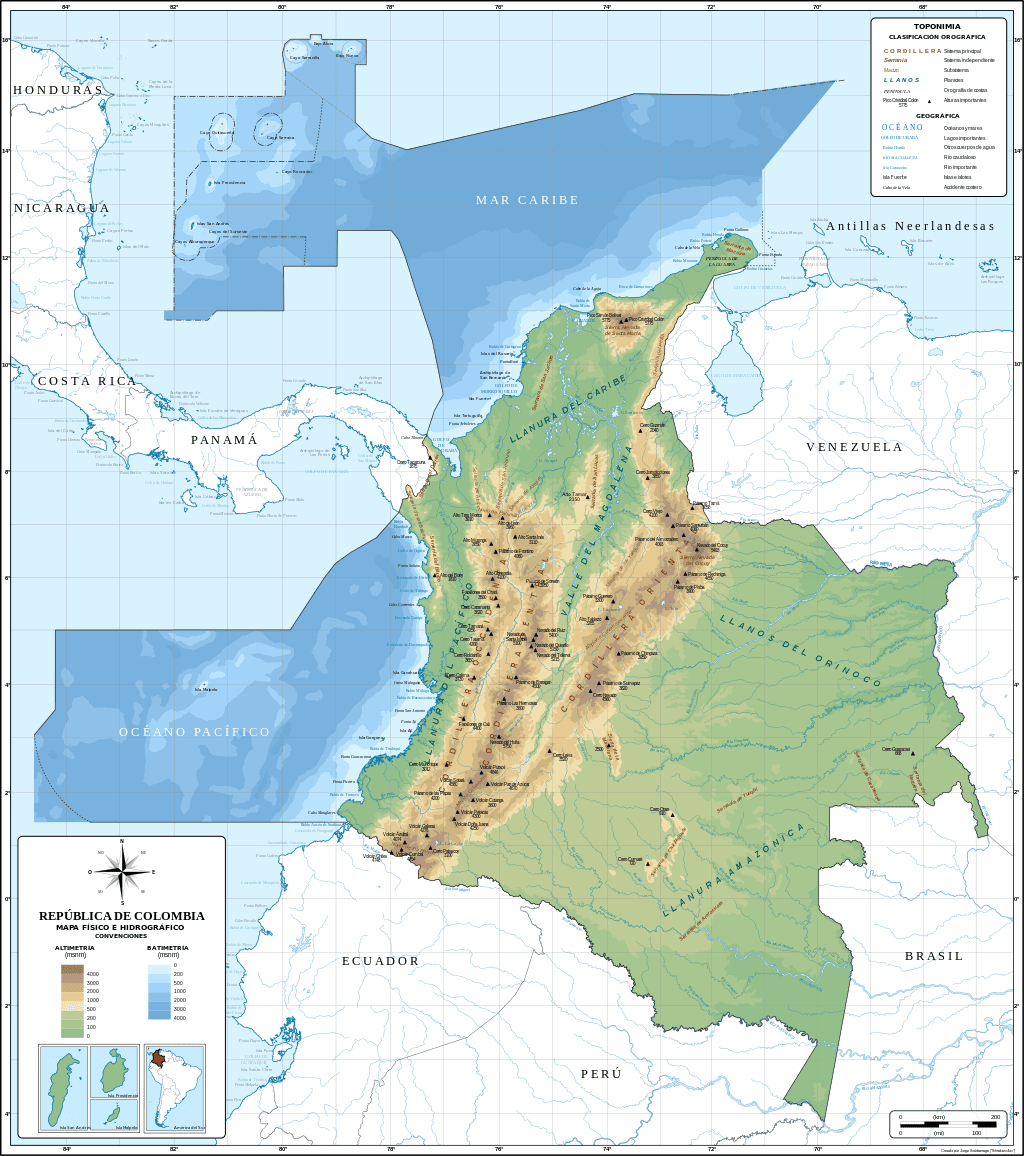
Map of Columbia (via Wikipedia)

In September of 1980, my mother took a calculated risk. As a talented singer with perfect pitch frustrated by a broken marriage and limiting law career, my mom left Bogotá, Colombia to pursue her dream of opera singing. My father, already starting his second family, agreed that my brother and I needed to go with her. My maternal grandparents followed us to the United States soon thereafter. While my mother worked hard to win first prize at international lyric-opera competitions with the help of a renowned voice coach, my brother and I worked hard to learn English and excel in school with the help of caring teachers, our grandparents, and kind friends. We both were inspired by our mother’s tremendous efforts and her willingness to take risks. Although my daily life during the school year took place in Westchester County, New York, an important part of my childhood also took place in Bogotá, where I spent many summers and occasional winter breaks with my Colombian family. I yearned to learn more about the place of my birth. I also missed my family terribly when I wasn’t with them. At the same time, I appreciated the security, opportunities, and friendships I found in the United States.

Curiously, although Latin America was often included in the content of our social studies textbooks, we rarely got the chance to actually study the region. As an undergraduate student at Cornell University, I finally found courses that began to teach me about Latin America, including a course on US-Latino literature (the gendered sensitivity evoked by “Latinx” had yet to be imagined). For the spring semester of my junior year, I decided to ‘study abroad’ at home in Colombia. Doing so proved to be one of the most eye-opening and academically satisfying experiences of my life up to that point. The international relations seminar I took with Juan Gabriel Tokatlian at la Universidad de los Andes helped me see more clearly the problems that come with treating a public health crisis (drug addiction) through militarization and strategies of war. At the Javeriana University, I signed up for a graduate-level seminar on the Annales school, a style of historiography developed by French historians in the 20th century that stresses long-term social history. A fellow student openly revealed his Marxist leanings and offered memorable critiques of our readings. These conversations for the first time allowed me to realize that there could be different schools of thought when it came time to develop historical analyses. Upon graduation, I decided to return to Colombia, where I taught a version of the US-Latino literature course at the university level, but only until my supervisor required that I teach the 19th-Century Colombian History survey. These experiences, together with the friendships I made with colleagues at la Javeriana and los Andes made one thing clear: if I wanted to be serious about teaching and researching at the university level, I needed to pursue graduate study in the United States. At the end of the day, the only career track that would allow me to bi-locate between my two beloved homes, the United States and Colombia, was the historical profession.

Also in this series:

Tatjana Lichtenstein
Julie Hardwick
Toyin Falola
Yoac Di-Capua
Susan Deans-Smith

Monumental Reinterpretation

On the west side of the Denver Capital building stands a soldier atop a stone monument. The soldier is easily recognizable as a Civil War soldier with his rifle ready, sword at his side, his distinctive hat, and the gaze of a vigilant soldier, saddened to be fighting his brother and countrymen. Ari Kelman dedicates portions of his book, A Misplaced Massacre: Struggling Over the Memory of Sand Creek, to a discussion about the history of this Civil War monument. The monument was erected and dedicated in 1909. This date places the monument in a period of United States history that saw the rapid erection of monuments across the landscape. Americans had emerged from the smoke and haze of the Civil War into a brave new world of freed slaves, Indian wars, and reform movements. Memorialization allowed for the reinterpretation of the racially motivated fratricide and cleansing of the west. Instead memorializers could reforge the familial bonds of the Union in stone. Denver memorialized this glory with their Union Soldier statue and a plaque that proudly displays a list of all the battles and engagements of the Civil War that Coloradans participated in. Notably listed in the battles is Sand Creek.

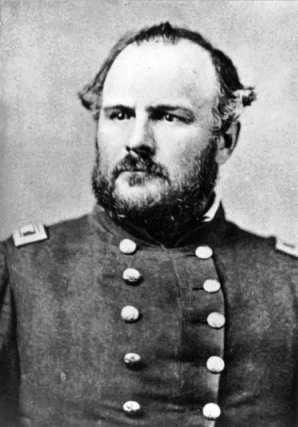
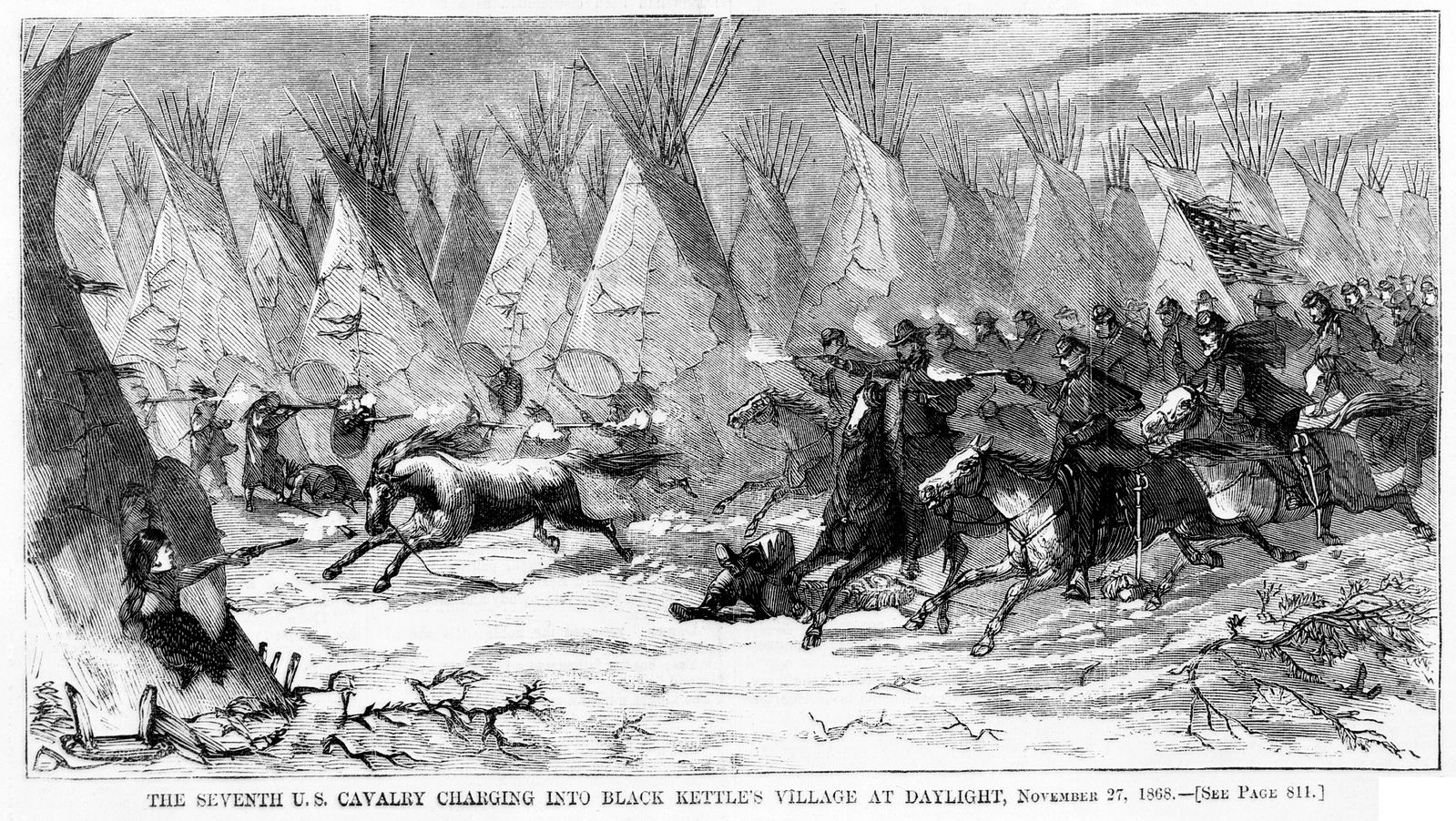
On November 29, 1864, Colonel John Chivington, with 700 men, attacked the Cheyenne and Arapahos camped peacefully along Sand Creek. Within the encampment was Black Kettle, a well known peace negotiator between the white settlers and the Indians. Black Kettle had recently returned to the Sand Creek camp, after concluding peace settlement negotiations at Fort Weld, where Chivington happened to be stationed. Upon realization of Chivington’s betrayal, Black Kettle immediately raised the American Flag and a white flag of surrender above his tipi, desperate to prove how those in the camp were friends of Americans and therefore peaceful. Chivington and his men took no heed of the raised flag, and continued the attack, killing not only men, but women and children who begged for mercy on their knees. Many ran to the sand beds along the creek where they burrowed into the sand, seeking cover from the sea of bullets. As the dust settled, 150 Cheyenne and Arapahos were dead. Chivington suffered the loss of ten men. His remaining 690 men proceeded to mutilate and desecrate the bodies of the deceased, with many keeping various body parts as grisly mementos.

Colonel John Chivington (via wikimedia)

As Kelman shows, immediately following the events of Sand Creek the public memory becomes cloudy and convoluted. For Chivington, the Union soldiers, and the American Nation, Sand Creek was a glorious battle in the story of westward expansion and the expulsion of the rebellious and violent Indians from the landscape. For the Cheyenne and Arapahos, Sand Creek was a brutal slaughter and massacre. One of Chivington’s men saw it the same way. Silas Soule was uneasy as he marched out on the day of the attack. When they arrived at Sand Creek, Soule refused to order his men to fire and he watched from the sidelines as the rain of bullets poured down on Black Kettle’s camp. Soule recorded the event in his letters, agonizing over his memories of that day.

A battle is often defined as an extended struggle between two organized armies. A massacre on the other hand is understood as the brutal and violent killing of multiple victims. The terms battle and massacre both carry heavy and violent meanings, but the picture they evoke are not the same. This difference in how to view the history and memory of Sand Creek coalesced around the Civil War monument in Denver in the late 1990s and early 2000s. The inclusion of Sand Creek in the list of battles and engagements on the monument at the Denver State Capitol projects an authority over the definition of the event and downplays its injustice by suggesting that there was a more even playing field between two opponents equally engaged. This leads the general public to believe that the band of Cheyenne and Arapahos provoked Chivington’s attack.

The Sand Creek Massacre as imagined by Harper’s Weekly in 1868 (via wikimedia)

The debate over the monument was strikingly similar to the many debates we have seen in the past year over the many Confederate monuments across the American landscape. The central question is what do we do with these monuments that valorize highly politicized motivations but also provide a glimpse into the people, culture, and history of those who erected these very monuments? For historical preservationists, this question creates a crucial internal battle. Preservationists recognize the white veil that hides the ugly truth of the monument’s history and purpose. However, their desire to preserve leads them to a fiery inferno. Ultimately, preservationists cannot come to a consensus on what should be done, however. many advocate for at least reinterpretation of the monuments.

Reinterpretation was the path Colorado ultimately decided upon. A small plaque was attached, not to the monument itself, but to the brick knee-high wall around the monument. The plaque provides a small nugget of insight into the controversy over the memory of Sand Creek; and yet it still leaves open just enough ambiguity to allow a visitor to interpret Sand Creek as a battle.

Monuments have authority. They are literally etched in stone. They influence the way the public perceives and remembers history. After all, how do you argue with a giant bronze plaque attached to a monumental piece of stone, holding up a heroic citizen soldier who fought to preserve our Union?

Further Reading:

Ari Kelman, A Misplaced Massacre: Struggling Over the Memory of Sand Creek (Cambridge: Harvard University Press, 2013).

Thomas J. Brown, The Public Art of Civil War Commemoration: A Brief History with Documents (Boston: Bedford/St Martins, 2004).

Stephanie Meeks, “Statement on Confederate Memorials: Confronting Difficult History.”

Other Articles You Might Like:

On Flags, Monuments, and Historic Myths by Joan Neuberger

Reconstruction in Austin: The Unknown Soldier by Nicholas Roland

Paying for Peace: Reflections of the “Lasting Peace” Monument by Jesse Ritner

Civil War and Daily Life: Snapshots of the Early War in Guatemala

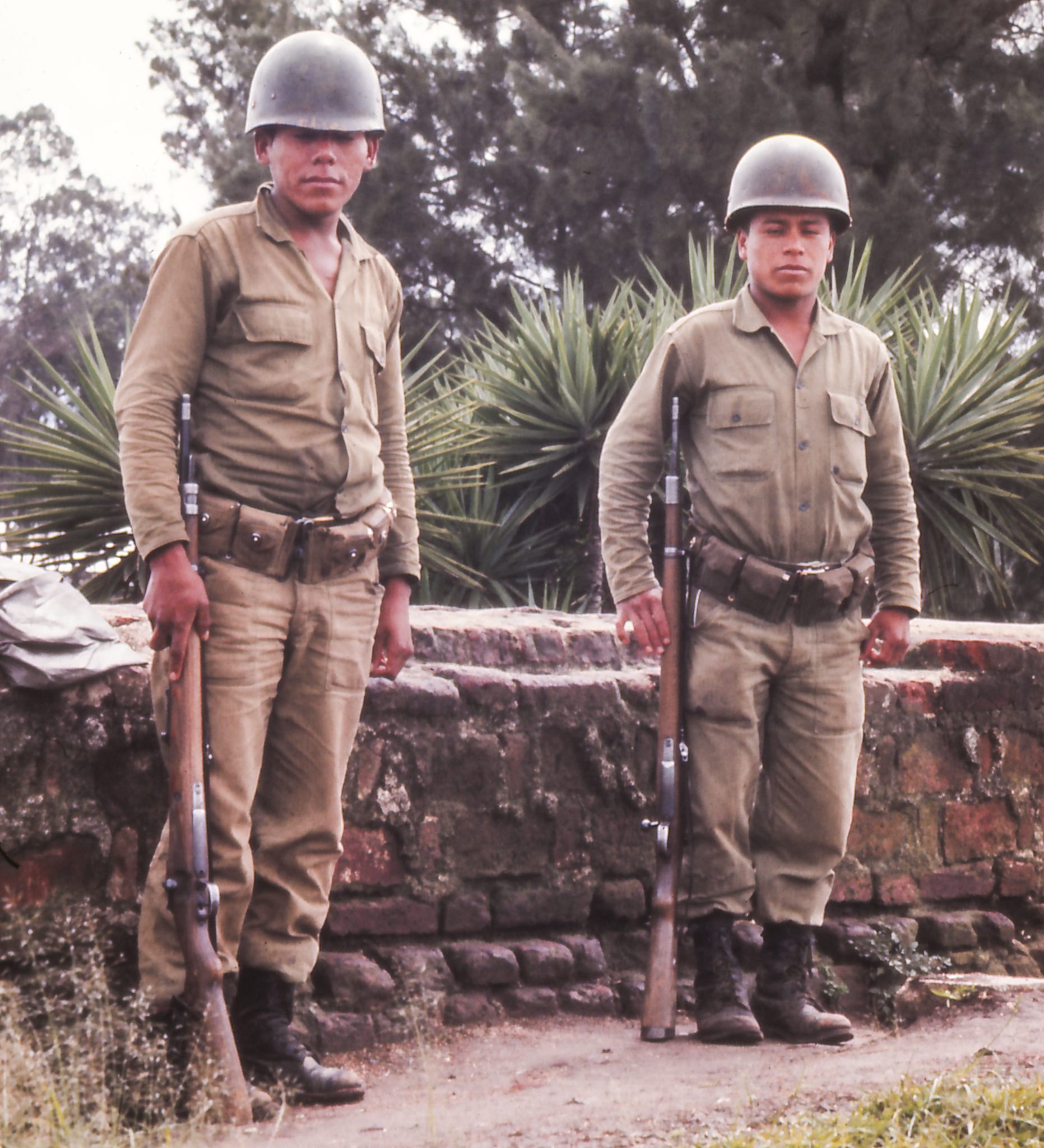
Two young Guatemalan soldiers abruptly pose for the camera. They rush to stand upright with rifles at their sides. On a dirt road overlooking an ominous Guatemala City, they stand on guard duty. This snapshot formed the title page of an exhibit at the University of Texas at Austin’s Benson Latin American Collection in 2018. A collection of these and other documents by Rupert Chambers will become part of a permanent archive at the library. The photographs depict the year 1966, a time of martial law and increasing state repression of leftist movements and supporters of reform. A storm was brewing in Guatemala.

Historians can situate this collection of photographs in the context of Guatemala’s civil war. The Guatemalan military was mobilizing to eliminate leftist guerrilla armies, which had recently arrived on the scene. Leaders of these rebel armies framed their struggle in the hope of democratic reform.  The Guatemalan state would not budge.  The state military agenda rested on two pillars:  fierce Cold War anti-communism and protection of the Guatemalan oligarchs’ monopoly on land and labor. Nearly two decades later Guatemalans would learn of the brutality of a military regime that would go to any lengths, including genocide against innocent indigenous-Mayan civilians, to suppress the insurgency.

Was this snapshot of two young foot soldiers a sign of what was to come? It is convenient to position these two soldiers as symbols of the violence that ensued in coming decades. But in 1966, terror had not yet reached its apex. The conflict was still, in part, a “gentlemen’s war,” fought between members of the upper and middle classes. At the time, foot soldiers, many of whom came from poor Mayan communities, were unaware of the military operations that would define the ensuing decades. They experienced the same ominous environment of uncertainty that most Guatemalans did.

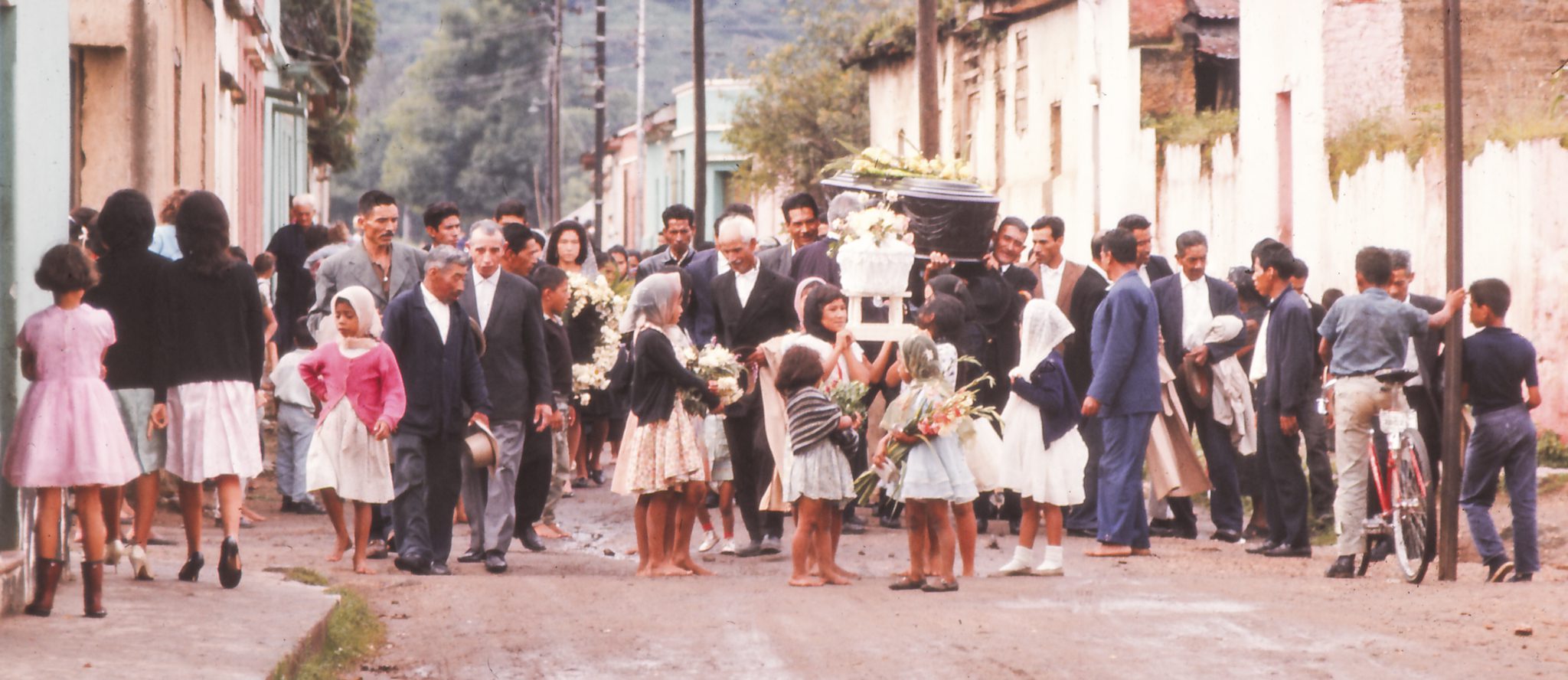
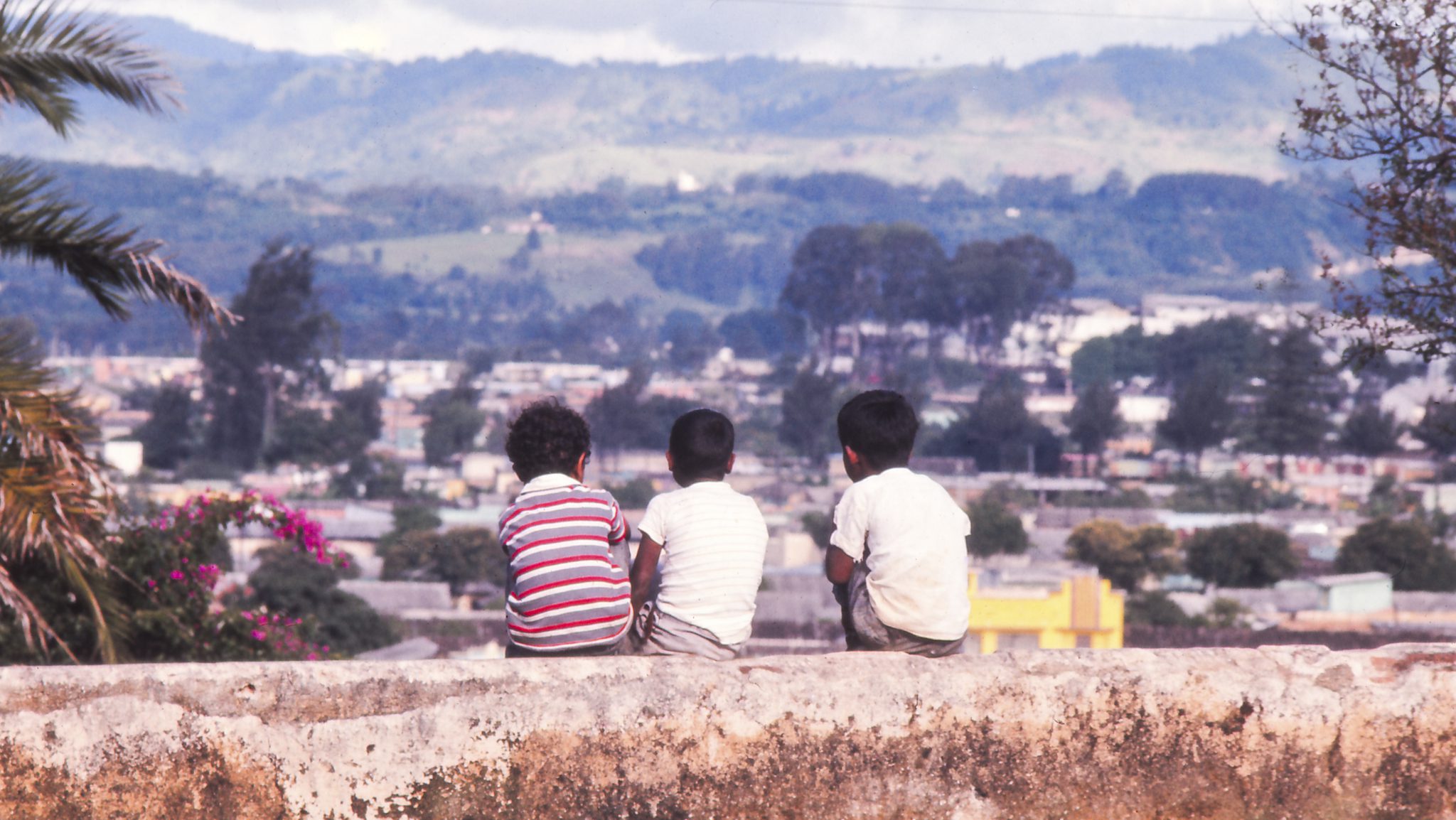
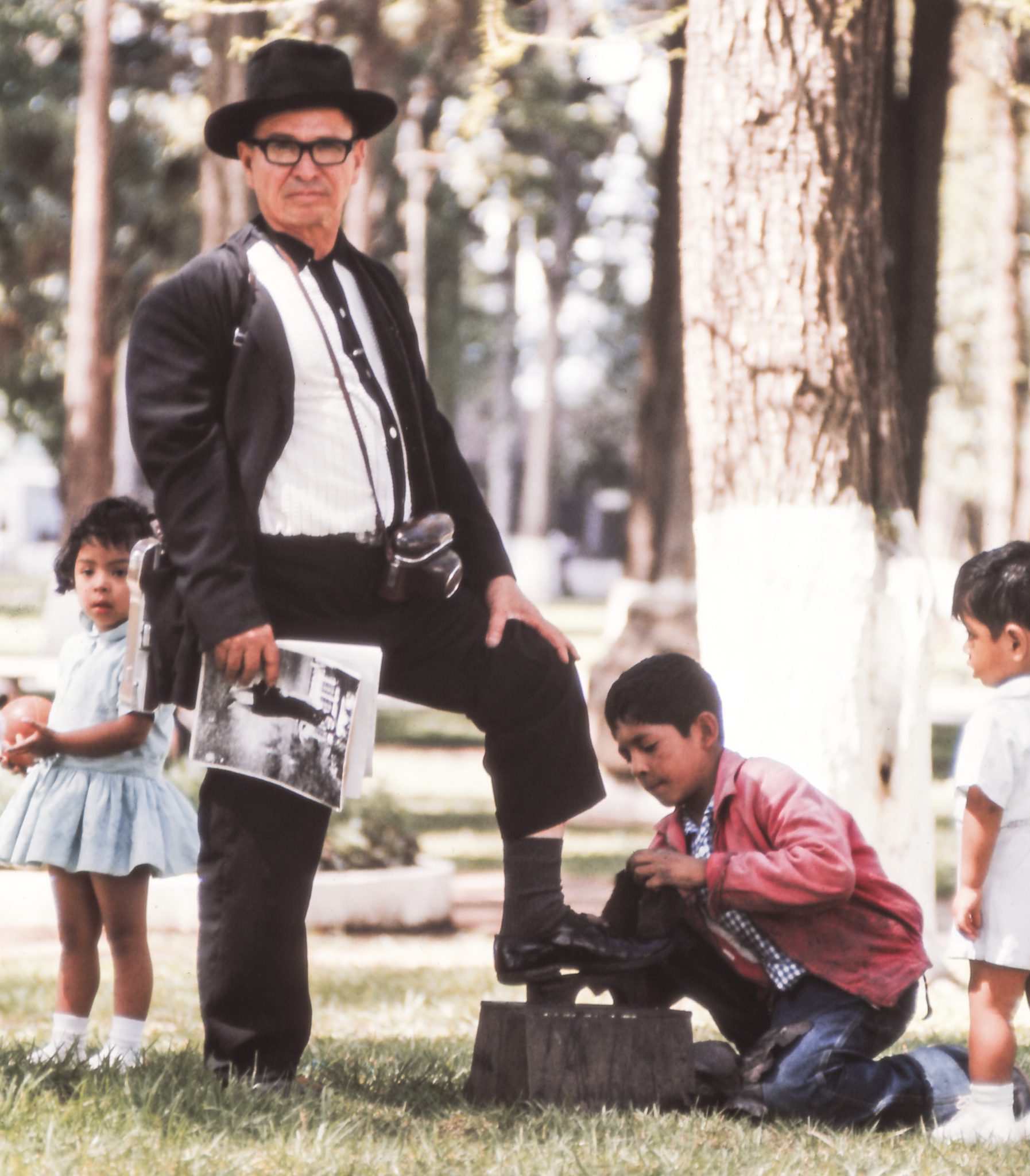
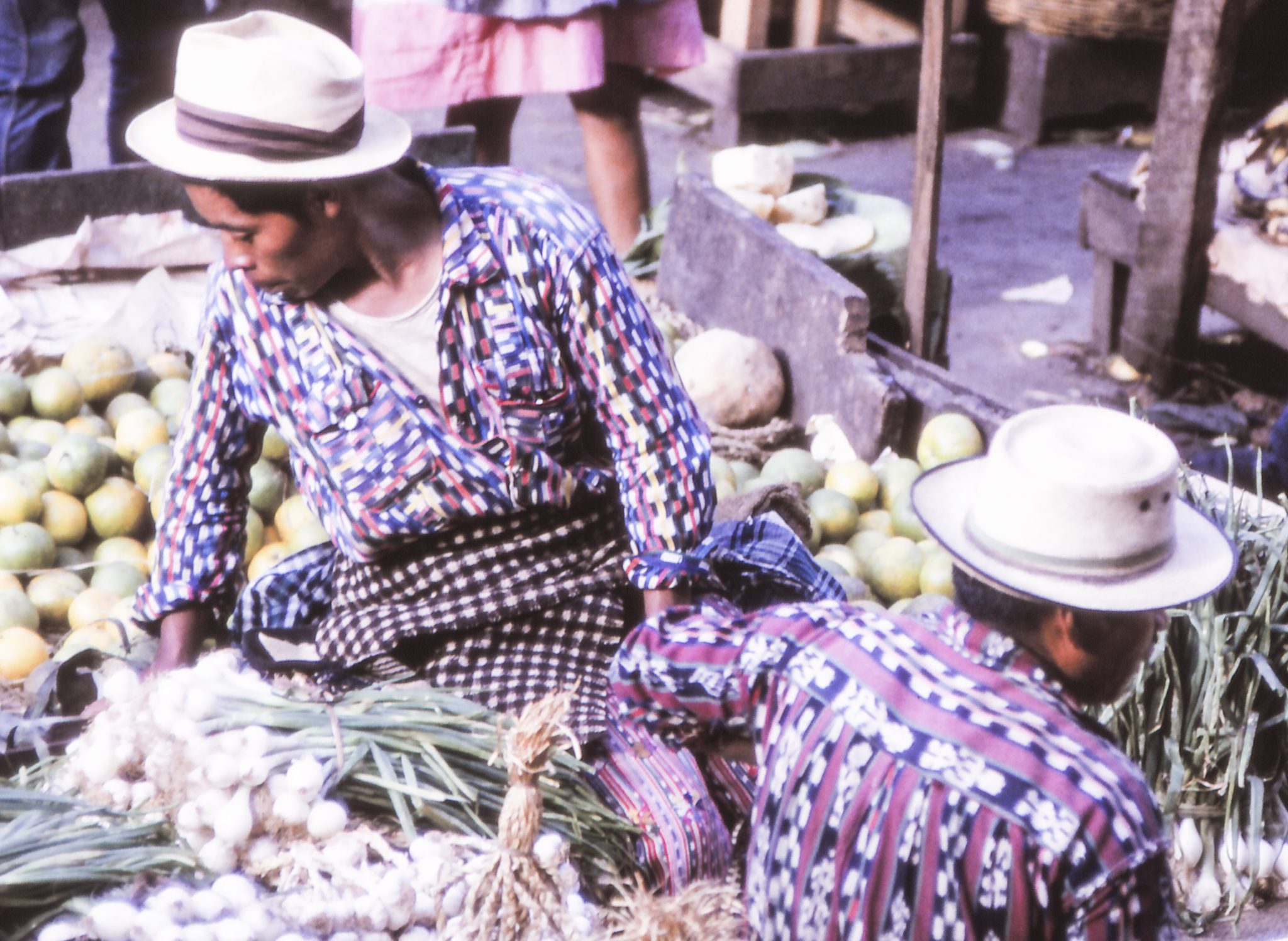
This past February, the author of these photographs, Rupert Chambers, reflected on his work for a public audience at the Benson Latin American Collection and took time to answer my questions. He visited Guatemala in 1966 as a UT graduate student doing historical research. There, Chambers documented the streets and people of Guatemala City and rural towns. He photographed Mayan women at local markets, children selling goods, and funeral processions through the streets. The camera lens captures citizens who continued to make a living, coping through poverty, violence, and discrimination. How do these photographs help us understand the context of the civil war?

As an American in a highly fragile moment in Guatemala, Chambers reflects on the lack of awareness among Americans in Guatemala about the military and political conflict at the time. “They [Guatemalans] knew we [the U.S. Government] had overthrown their revolution in 1954; we had not yet admitted it to ourselves.”  He was referring to the CIA administered revolt that replaced Guatemala’s 10-year old democratic government with a right-wing regime.

In 1966, roughly a decade into the Vietnam war, U.S. military advisers were exporting their anti-communist military infrastructure into their neighbor in Central America. Guatemalan generals obligingly received aid in the form of training, as well as technical and material support. The American military also authorized thousands of Guatemalan military commissioners to help combat the perceived communist threat. In the 1980s, the military collaboration was more obvious to American observers. In 1966, however, Americans in Guatemala were still in the dark. Chambers remembered how “few of us were aware of the full extent of U.S. support and intervention.”

An air of uncertainty occupied the minds of ordinary Guatemalans as well. Chambers spoke about this overall atmosphere, pointing out that most Guatemalans were aware of the conflict but not the extent, and no one would have used the term “civil war” at that juncture.  “While not exactly the calm before the storm, the mid-1960s gave only clues and portents.”

Behind the scenes, networks of right-wing terror groups flowed in the capital city. Signs of terror reared their ugly heads. Chambers described witnessing street signs of the mano blanco (white hand). The “white hand” was a symbol for a clandestine terror organization that used death lists to assassinate democratic leaders and decorated the corpses of their victims with threatening notes. In the 1960s, Guatemala would become one of Latin America’s first settings of “forced disappearances.”

Despite this violent background, Rupert Chambers’ photographs provide an important perspective on the “day-to-day.” As Chambers states, “Guatemalans had lived in a context of violence for so long that in the mid-sixties this all appeared to them as more of the same, a constantly fluctuating level of violence, a cause for concern but not yet something very much out of the ordinary as it was soon to become.”

Chambers prompts historians to consider whether we can we document a tragedy before it happens. Photographer Sally Mann once stated that “photographs open doors into the past, but they also allow a look into the future.”  Historians may examine such photographs for clues of terror, silence, and ambiguity. There is something deceptive, however, about looking at these photographs solely through the prism of what was to come; something deterministic. The precariousness of Guatemala’s situation was as much a product of history as it was an unfortunate feature of daily life. And while Guatemalans feared the past and future, their dignity remained in the present.

Photo documentary evidence of state violence also has a history. About a decade after Chambers’ 1966 photographs, a new wave of visual records would help document the violence in Guatemala, spearheaded by the likes of Jean-Marie Simon, in her book Guatemala: Eternal Spring, Eternal Tyranny, and Pamela Yates, in her documentary, When the Mountains Tremble.  Such visual documentation propelled human rights efforts to combat the impunity of the Guatemalan state apparatus, which was responsible for around of 90% of civilian deaths during the war.

Chambers’ photographs embodied one of the earlier stages of the documentation of the civil war. His photographs document an underexamined area of history in the ambiguities and fears of daily life under violent regimes. While photography was Chambers’ hobby, he intentionally set out to document human dignity, something he claimed to learn much about from the people of Guatemala. Chambers continues this work in his new project in Mexico.

(All photos here are published with the permission of the photographer.)

An Anticipated Tragedy: Reflections on Brazil’s National Museum by Edward Shore

Black Amateur Photography by Joan Neuberger

Media and Politics from the Prague Spring Archive by Ian Goodale

_________________________________________________________________________________________

The views and opinions expressed in this article or video are those of the individual author(s) or presenter(s) and do not necessarily reflect the policy or views of the editors at Not Even Past, the UT Department of History, the University of Texas at Austin, or the UT System Board of Regents. Not Even Past is an online public history magazine rather than a peer-reviewed academic journal. While we make efforts to ensure that factual information in articles was obtained from reliable sources, Not Even Past is not responsible for any errors or omissions.

The Public Archive: The Road to Sesame Street

Millions of tweets and millions of state documents. Intimate oral histories and international radio addresses. Ancient pottery and yesterday’s memes. Historians have access to this immense store of online material for doing research, but what else can we do with it? In Spring 2018, graduate students in the Public and Digital History Seminar at UT Austin experimented with ways to make interesting archival materials available and useful to the public; to anyone with access to a computer. Over the Summer, Not Even Past will feature each of these individual projects.

The Road to Sesame Street by Peter Kunze features government documents tracing the development of the Public Broadcast Act of 1967, the landmark legislation that established the Corporation for Public Broadcasting, PBS, and NPR. Using materials from the Lyndon B. Johnson Presidential Library in Austin, this project provides a behind-the-scenes view of the power players, interest groups, and decisions that laid the groundwork for American public media through digitized documents, blog posts, and lesson plans.

More on Kunze’s project and The Public Archive here.

You may also like:

Digital Teaching: Mapping Networks Across Avant-Garde Magazines by Meghan Forbes
Dorothy Parker Loved the Funnies by David Ochsner
Media and Politics From the Prague Spring Archive by Ian Goodale

The Public Archive: Qahvehkhaneh, Reading Iranian Newspapers

Millions of tweets and millions of state documents. Intimate oral histories and international radio addresses. Ancient pottery and yesterday’s memes. Historians have access to this immense store of online material for doing research, but what else can we do with it? In Spring 2018, graduate students in the Public and Digital History Seminar at UT Austin experimented with ways to make interesting archival materials available and useful to the public; to anyone with access to a computer. Over the Summer, Not Even Past will feature each of these individual projects.

The coffeehouse, qahvehkhaneh, was an important political and cultural institution in Iran in the nineteenth and twentieth centuries. As men drank coffee, played backgammon, and discussed business, they also listened to impassioned pleas for democracy and reform from newspapers published in the Ottoman Empire, Russian Caucasus, and British India, smuggled into Iran and read aloud. Hoping to replicate the qahvehkhane’s spirit of sharing knowledge and camaraderie for anyone interested in Iran, Andrew Akhlaghi’s project comprises of digitized issues of Etella’at, an Iranian newspaper founded in Tehran in 1926. In addition to the newspaper collection, this site is also allows students of Persian to collaboratively translate articles.

More on Akhlaghi’s project and The Public Archive here.

You may also like:

Remembering the Iran-Iraq War by Shaherzad Ahmadi
Maria José Afanador-Llach reviews Digital History: A Guide by Daniel J. Cohen and Roy Rosenzweig
The Public Archive: Woven Into History by Alina Scott

The Public Archive: Frederic Allen Williams

Millions of tweets and millions of state documents. Intimate oral histories and international radio addresses. Ancient pottery and yesterday’s memes. Historians have access to this immense store of online material for doing research, but what else can we do with it? In Spring 2018, graduate students in the Public and Digital History Seminar at UT Austin experimented with ways to make interesting archival materials available and useful to the public; to anyone with access to a computer. Over the Summer, Not Even Past will feature each of these individual projects.

Frederic Allen Williams (1898-1955) was a prominent sculptor, lecturer, intellectual, and rodeo rider. Based in New York City, he became known for his talks on Native American art delivered in his midtown studio using magic lantern slides, an early type of image projector. By digitizing a sizable collection of Williams’ prints, negatives, lantern slides, and other ephemera held at the Harry Ransom Center, Jesse Ritner‘s digital project not only makes these materials accessible to wider audiences, but also reflects on using photography as historians and teachers.

More on Ritner’s project and the Public Archive here.

Also by Jesse Ritner on Not Even Past:

Death, Danger, and Identity at 12,000 Feet
The Curious History of Lincoln’s Birth Cabin
Paying for Peace: Reflections on “Lasting Peace” Monument
What Makes a Good History Blog?

You may also like:

The Public Archive: Woven Into History by Alina Scott
Who Put Native American Sign Language in the US Mail? by Jennifer Graber
A Graphic Revolution: The New Archive (No. 19) by Joseph Parrott

The Public Archive

Doing History Online and In Public

by Joan Neuberger

Millions of tweets and millions of state documents. Intimate oral histories and international radio addresses. Ancient pottery and yesterday’s memes. Historians have access to this immense store of online material for doing research, but what else can we do with it? In Spring 2018, graduate students in the Public and Digital History Seminar at UT Austin experimented with ways to make interesting archival materials available and useful to the public; to anyone with access to a computer.

Links to their projects can all be found below on this page.

We built these digital, public projects in four main steps.

First, with the help of UT librarians, the students identified collections related to their research that were not yet available to the public. These collections of documents come from the many wonderful archives on our campus: the Harry Ransom Center, the Lyndon Baines Johnson Presidential Library, the Perry-Castañeda Library, the Briscoe Center for American History, and the Nettie Lee Benson Latin American Collection. Then we digitized them.

Second, we each wrote a series of blog-essays to share our archival finds with the public. Each blog is meant to show something historically significant about our documents and to open them up in ways that any curious reader, without any background in the subject, can understand and appreciate.

Third, we wrote lesson plans based on our documents to allow educators at the K-12 and college levels to bring our archives into their classrooms.

Finally, we each built a website to introduce our topics, to share our digitized documents, and to make our blogs and lesson plans openly available.

Here are the results:

Qahvehkhaneh: Reading Iranian Newspapers: by Andrew Akhlaghi

The coffeehouse, qahvehkhaneh, was an important political and cultural institution in Iran. As men drank coffee, played backgammon, and discussed business, they also listened to impassioned pleas for democracy and reform from newspapers published in the Ottoman Empire, Russian Caucasus, and British India, smuggled into Iran and read aloud. This qahvehkhaneh is meant to spread the issues of one newspaper, Etella’at, to those curious about Iran.

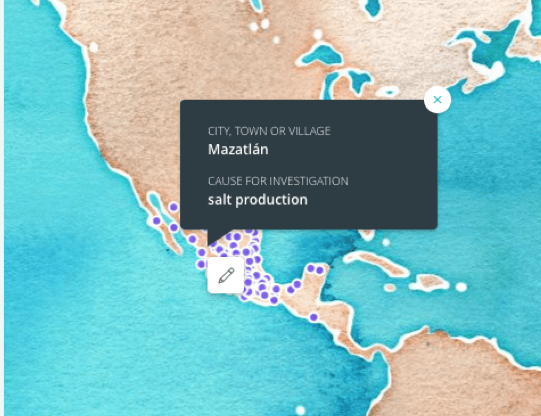
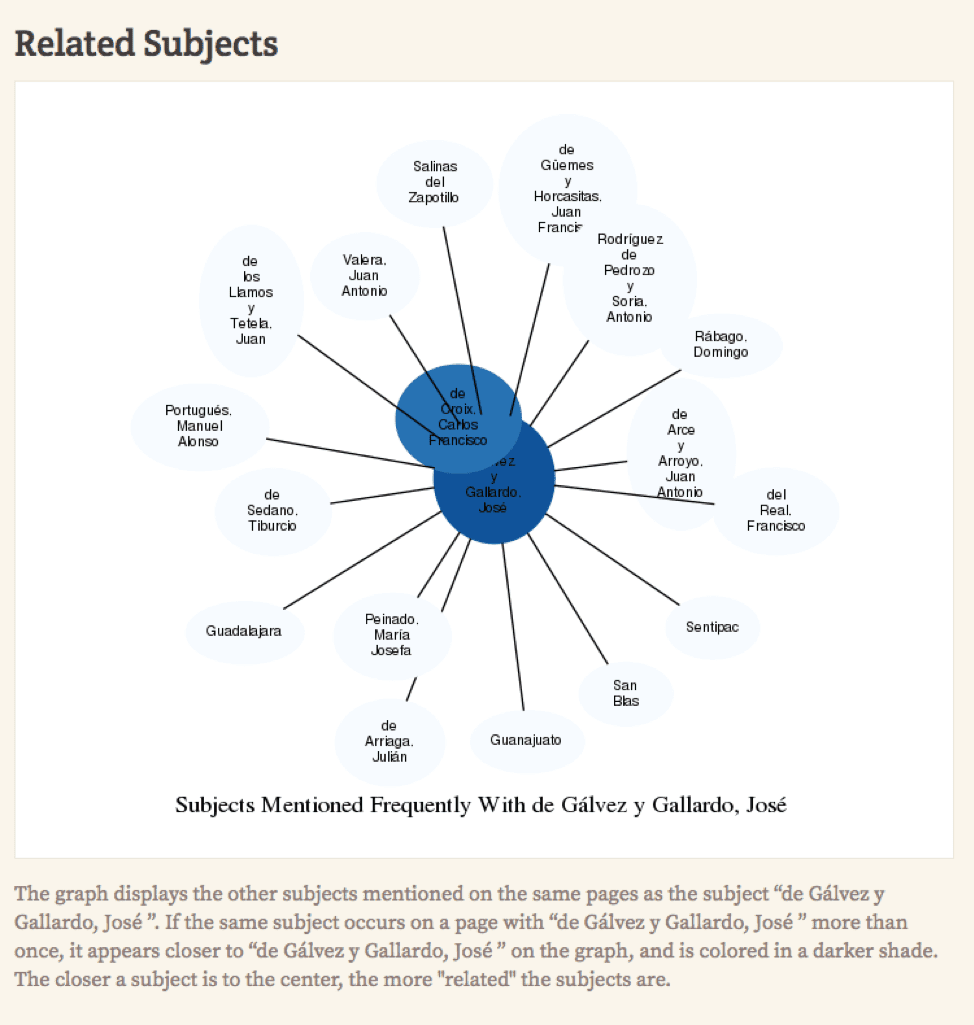
Bureaucracy on the Ground: the Gálvez Visita of 1765:  by Brittany Erwin.

This project examines the localized consequences and on-the-ground implications of the royal inspection, or visita general, administered by José de Gálvez in New Spain from 1765-1771.

After the Silence: María Luisa Puga and the 1985 Mexico City Earthquake by Ashley Garcia

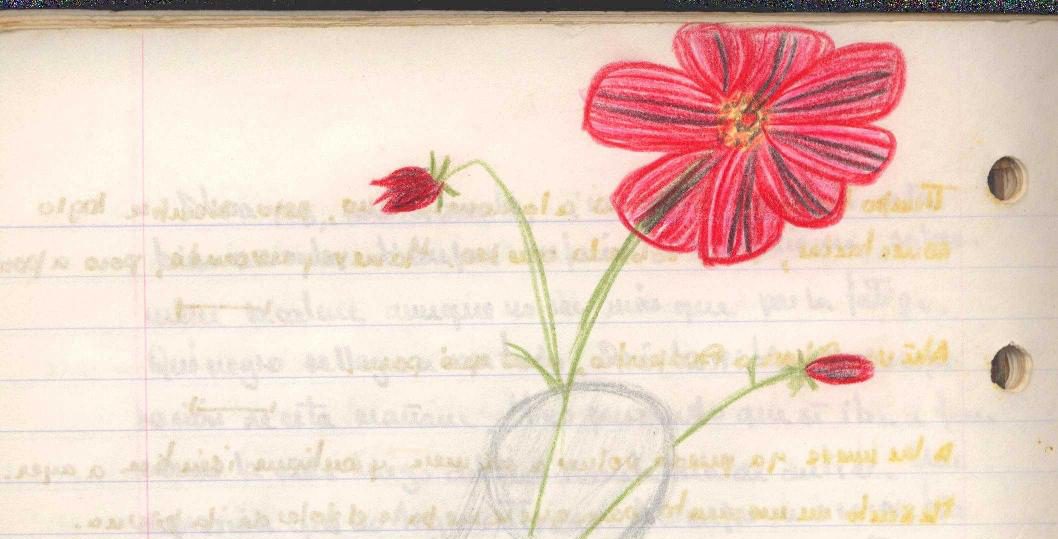
María Luisa Puga (1944-2004) was a talented Mexican novelist from the Post-Boom movement whose personal notebooks, manuscripts, correspondence, and related documents are held in the Benson Latin American Collection. On this site you will find digitized selections from Cuaderno 118, which contains both Puga’s coverage of the earthquake that struck Mexico DF (now Mexico City) in 1985 and her reflections on those original pages, written in 2002.

Building a Jewish School in Iran: The Barmaïmon-Hamadan Manuscript by Isabelle Headrick

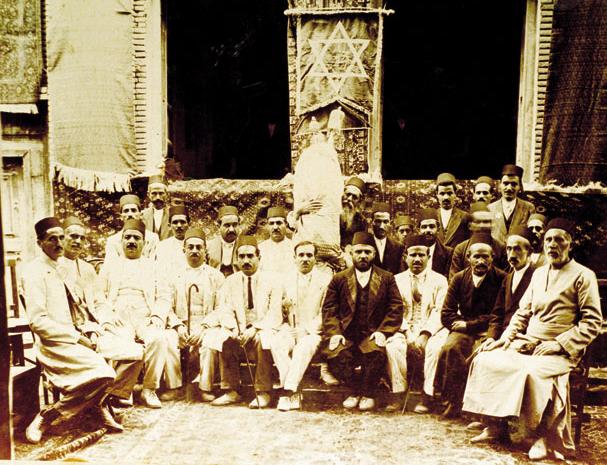
Where do you go when you want to change the world? For Isaac and Rebecca Bassan in 1900, the destination was Hamadan, Iran, to establish a French-language, Jewish school for the small Jewish community in that city. About  fifty years another teacher at the school, Isaac Barmaïmon, wrote an 81-page manuscript that describes the first twenty years of the school’s existence.

Food Migrations: Texas Czech Culinary Traditions by Tracy Heim

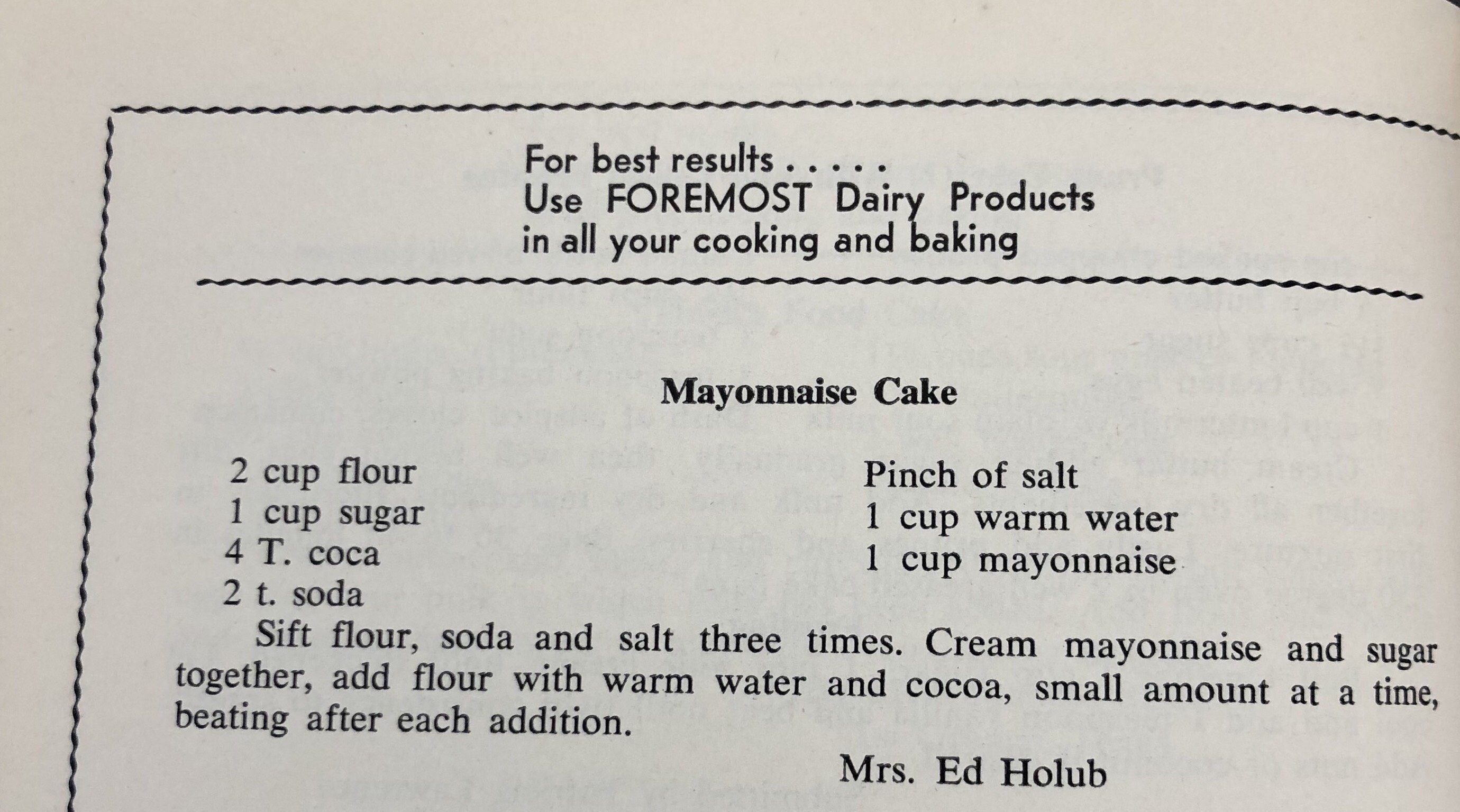
Texans with Czech heritage have been able to preserve their culture in America through organizations, cultural events, church groups, and especially through food.  Two books of recipes and other documents contextualize the process of migration into life in Texas and create a framework for understanding the Texas Czech culture.

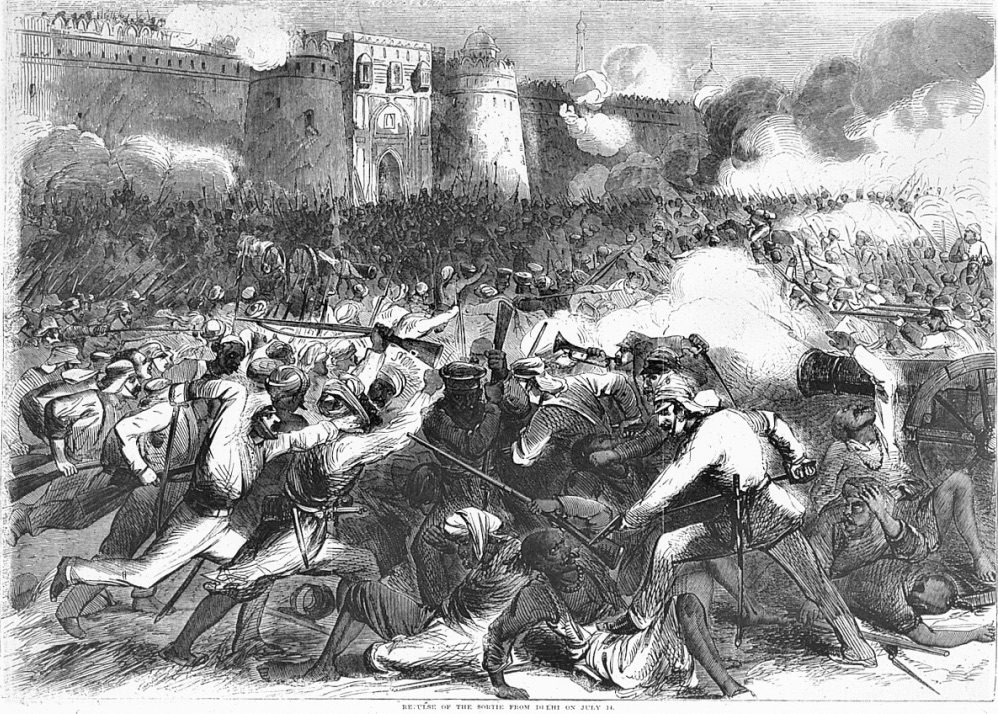
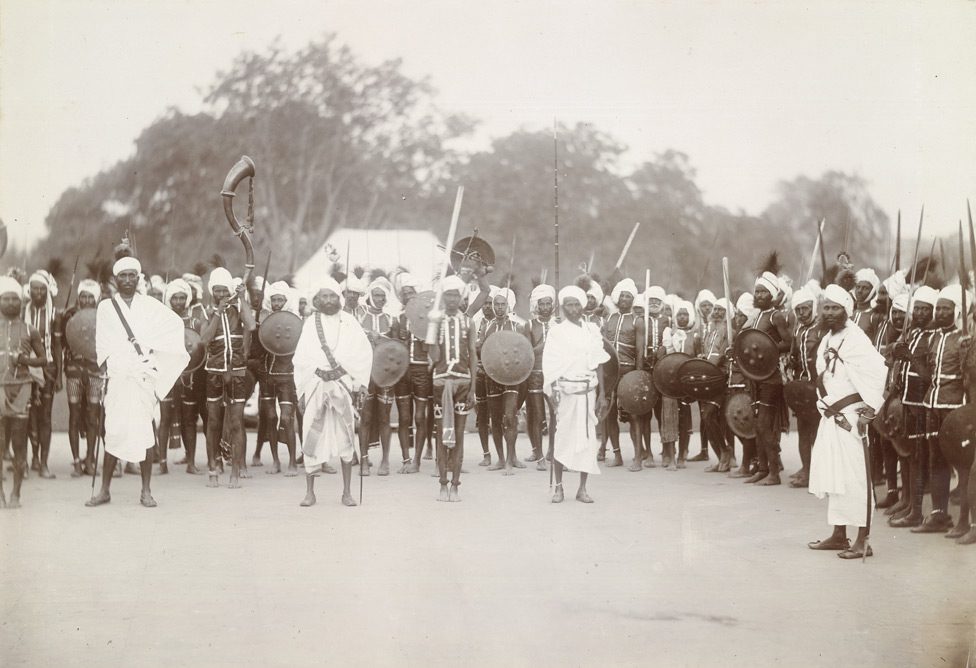
Indian Revolt of 1857 by Anuj Kaushal.

South Asia witnessed an event during 1857 which altered the history of India, Britain, and the British East India Company. The event, known as a mere “mutiny” by the British and as an anti-colonial revolt by Indians, was reported in the English language press around the world.

The Road to Sesame Street by Peter Kunze

The Road to Sesame Street features government documents tracing the development of the Public Broadcast Act of 1967, the landmark legislation that established the Corporation for Public Broadcasting, PBS, and NPR. Using materials from the Lyndon B. Johnson Presidential Library in Austin, this project provides a behind-the-scenes view of the power players, interest groups, and decisions that laid the groundwork for American public media.

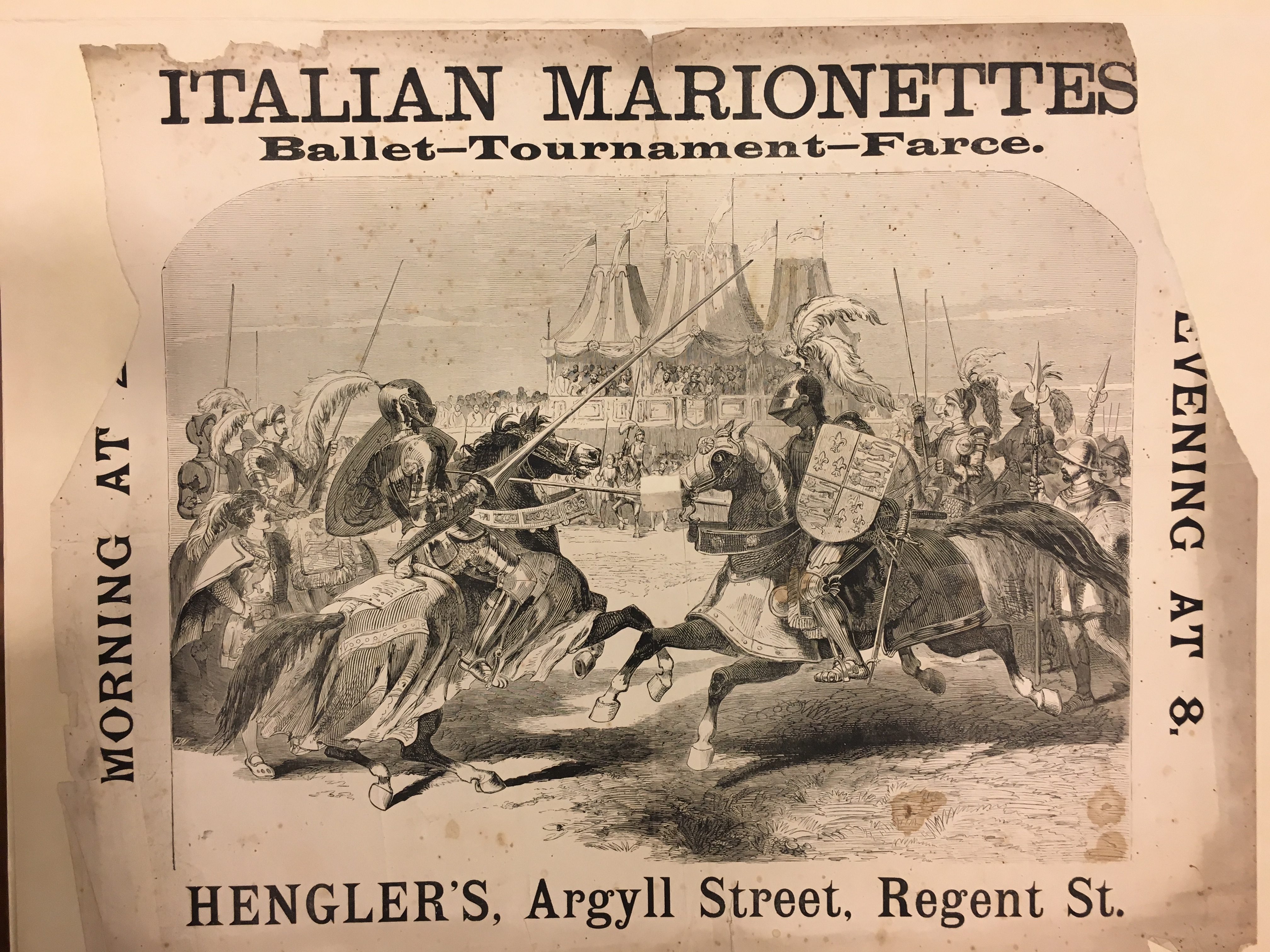
Animating Italian Immigration: Sicilian-American Puppetry by Megan McQuaid.

Attending a puppet theatre performance with familiar characters acting out well-known stories gave some Italians living in New York City a regular taste of the homeland they had left behind.

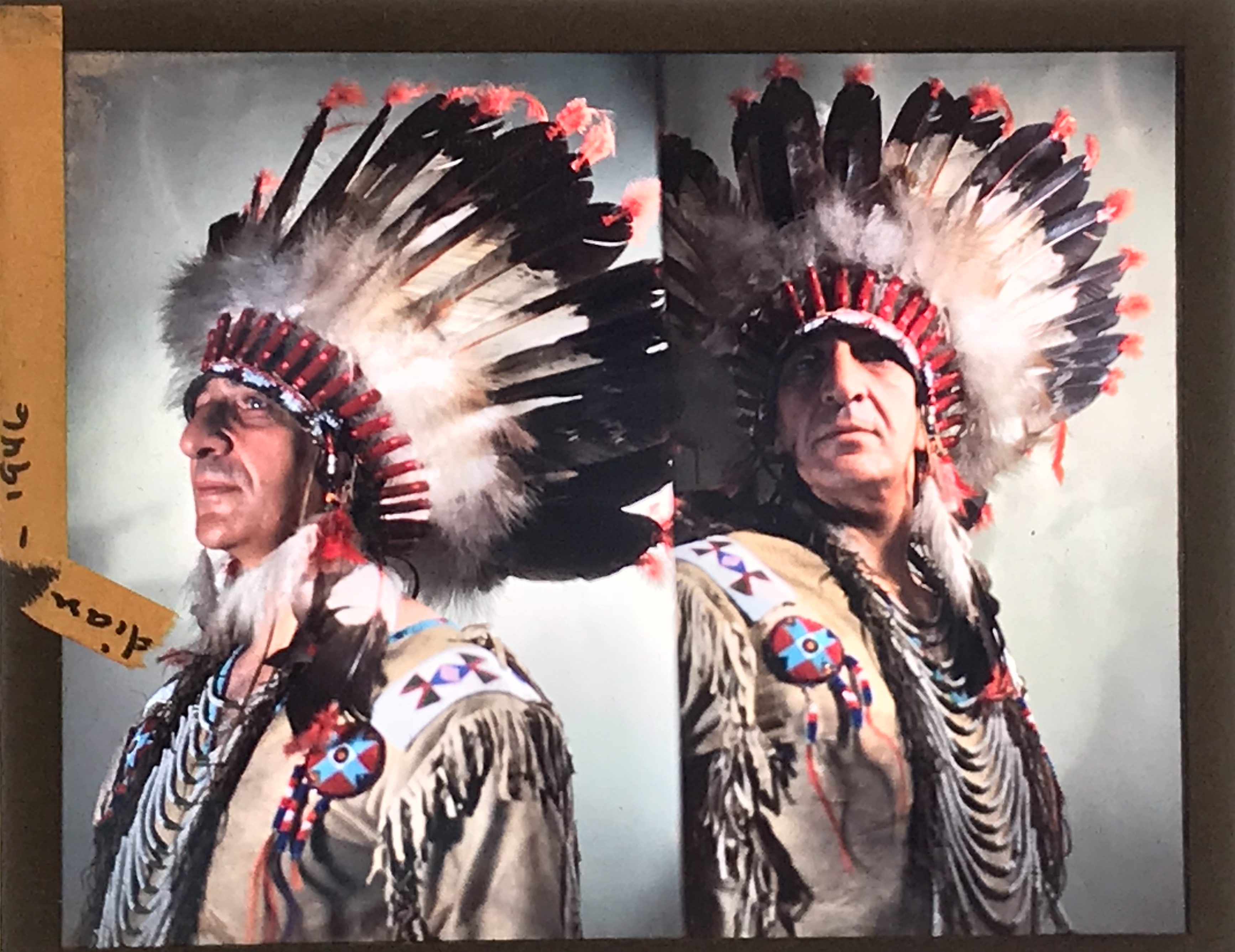
Frederic Allen Williams: Citizen-Artist with a Magic Lantern by Jesse Ritner

Frederic Allen Williams (1898-1955) was a prominent sculptor, lecturer, intellectual, and rodeo rider based in New York City, where he became known for his talks on Native American art, illustrated with magic lantern slides, which he gave in his midtown studio near the then recently built Museum of Modern Art.

Woven Into History: Living Cultural Fabrics by Alina Scott

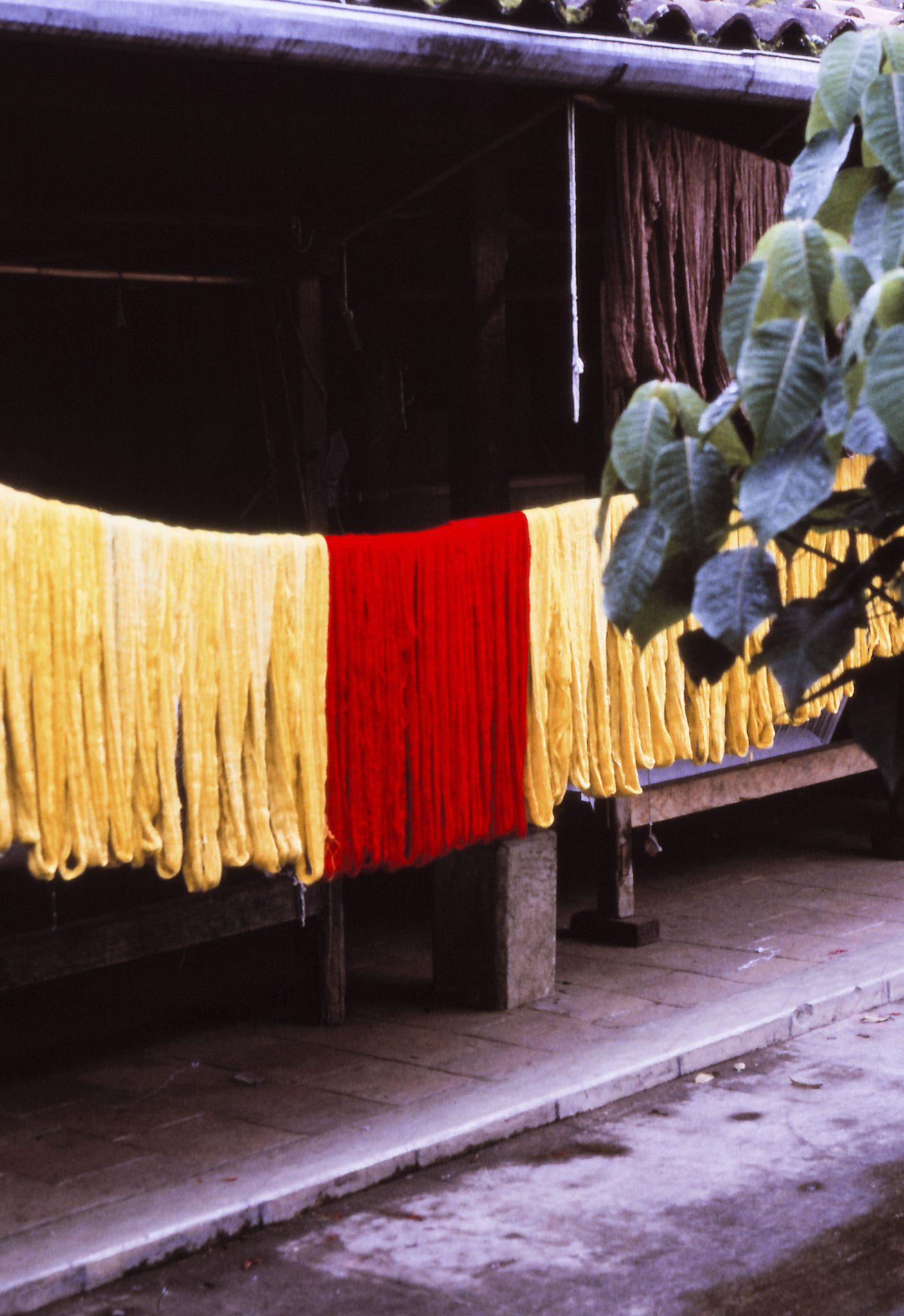
The nineteenth and twentieth-century Navajo rugs in this collection aims to provide a platform for respectful collaboration and discourse to recenter the discussion of Navajo culture and commodity production around them and to diversify traditional conversations about Navajo textiles and their communities.

Mercenary Monks by Jonathan Seefeldt

These texts are windows into a thriving monastic world whose varied activities included: raising mercenary armies, caring for widows and child brides, providing credit and other banking services, collecting tax revenue from farmers, providing merit and prestige to an emerging merchant class, and asserting a (short-lived) form of political independence.

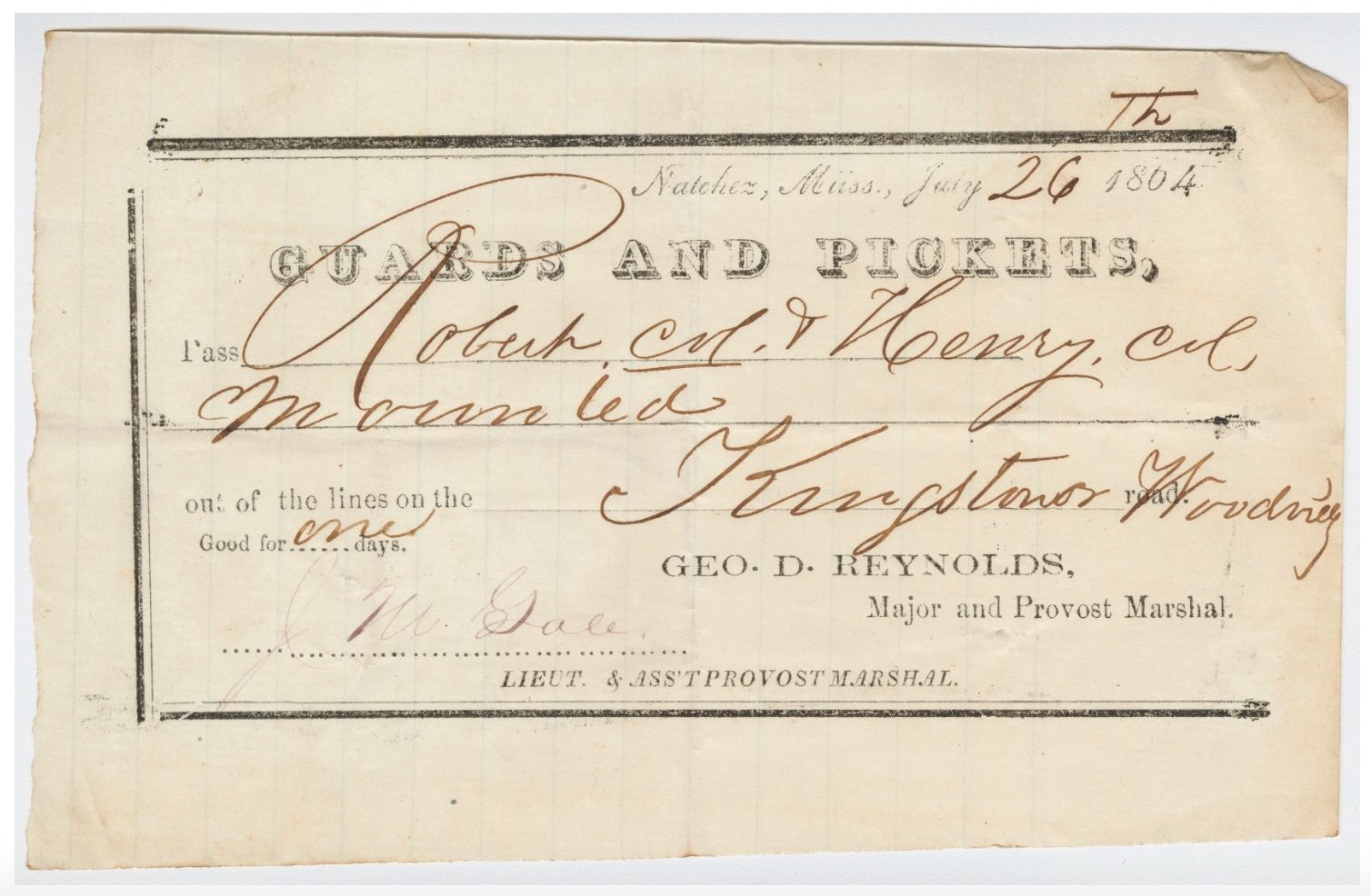
Guards and Pickets: The Paperwork of Slavery by Gaila Sims.

The documents in this collection provide a glimpse into the paperwork created to control the movement and relationships of the enslaved, as well as the financial documentation used to make money off the institution of slavery.

Acknowledgments

We would like to thank the following people for sharing their expertise in digital and public history with us: Dale Correa, Liza Talbot, Ian Goodale, Stephanie Malmros, Christina Bleyer, Albert Palacios, Andrea Gustavson, Elizabeth Gushee, Astrid Ruggaldier, Penne Restad, and Stacy Vlasits.

On the “Polish Death Camps” Law

Picture of barbed wire fencing and buildings from the Auschwitz-Birkenau Extermination Camp
(Auschwitz-Birkenau, via Pixabay)

By Natalie Cincotta

Last Thursday, the Polish senate passed a bill that would outlaw public statements that acscribe responsibility or complicity to the Polish nation or state in crimes committed by Nazi Germany during the Second World War. If signed into law by President Anrzej Duda, who supports the measure, using terms like “Polish Death Camp” would become punishable by fines or jail time up to 3 years. “The point I must stress most emphatically is that there was no complicity in the Holocaust,” explained Duda in a statement, “either on the part of Poland as a state, a non-existent state, or on the part of Poles perceived as a Nation.”

The pending legislation has prompted a diplomatic spat with Israel and is considered an “attempt to rewrite history” by Prime Minister Benjamin Netanyahu. The U.S. State Department has also expressed disapproval, citing concerns over the potential strains on Poland’s relationship with the U.S. and Israel, as well as freedom of speech.

Around the same time, state-owned Polish Radio (Polskie Radio) launched an interactive website “aimed at debunking misconceptions about Poland’s role in the Holocaust,” according to a release. The site is available in Polish, English, and German.

Titled “Germandeathcamps.info,” the first section shows a map of the Nazi camp network established across occupied Europe, followed by thematic sections including profiles of German perpetrators, a short timeline of the Final Solution, video footage of the Nuremberg War Crimes Trials, and oral histories of victims. The last section, titled “distortion of history,” refers to two cases of the usage of “Polish death camps” in the recent past – once by German broadcasting company ZDF and by President Obama in a 2012 speech.

Map featured on germanydeathcamps.info showing Nazi concentration and extermination camps in Europe
Map featured on germanydeathcamps.info

This public history project has a clear political agenda – that is, to show that camps like Auschwitz-Birkenau were Nazi, not Polish, camps, and thus attest that the Polish state bore no responsibility for complicity in the Holocaust. Opponents agree that the term “Polish death camps” is indeed inaccurate, but worry that the law would silence instances when Poles were culpable in Jewish persecution, whether by aiding local German authorities in rounding up their Jewish neighbors, denunciation, or, in some cases, killing. In a joint statement issued by the POLIN Museum of the History of Polish Jews and the Association of the Jewish Historical Institute of Poland, Dariusz Stola and Piotr Wiślicki warned of a chilling effect in difficult discussions of crimes committed on Polish soil, calling for honest and open discussion.

The larger implications of a law banning the suggestion of Polish complicity is much larger than simple phraseology. Distilling the conversation into categories of “collaborator” and “victim” precludes a more difficult public conversation on the wide range of actions, experiences, and responses on part of gentile Poles in relation to the persecution of Jews during the war. Poles were victims of Nazi persecution, as they were also helpers, rescuers, and participants, and their motivations as such were complex and contradictory in ways that defy easy categorization. Two major studies illustrate this complexity.

Book cover of Neighbors: The Destruction of the Jewish Community in Jedwabne, Poland by Jan T. Gross

Jan T. Gross’ Neighbors intensified the debate about Polish “complicity” in the Holocaust. Neighbors tells the story of how on one day in July 1941 a group of Polish residents in Jedwabne murdered 1,600 of their Jewish neighbors, about half of the population. According to Gross, it was Poles who did the killing, not the local German gendarmes. At a time when Poland’s national self-image of WWII was, and is, one of victimhood, the revelation of an instance in which Poles had brutally murdered their Jewish neighbors stirred a debate about “complicity” and “collaboration” that, as the proposed law might suggest, has not yet been resolved.

In Hunt for the Jews: Betrayal and Murder in Occupied Poland, Jan Grabowski recounts the role of Poles in the rounding up and murder of Jews in Dabrowa Tarnowska, a county in southeast Poland. After the ghettoes in the area were liquidated in 1942, Germans relied on local Poles to hunt Jews (referred to as Judenjagd) who had escaped liquidation and hid among the gentile population or in the forest. The Polish Blue Police, the Baudienst, and local Polish peasants played an active role in denouncing Jews, participating in searches, or even killing. Jewish property was often a motivation for participating, as the Germans instituted a reward system. Importantly, there are also many instances of rescue: some Poles hid Jews from the Nazis, and their motivations for doing so varied, sometimes altruistic, sometimes materially-driven. Sometimes, if the hidden Jews were no longer able to compensate their Polish hosts, they were denounced to the local authorities.

The Polish state does not share some kind of equal “co-responsibility” with the Nazis (the state was actually in exile in London), because the Germans were the “undisputed bosses of life and death” in occupied Poland, as Gross argues, and “no sustained organized activity could take place without their consent.” Even if the law emphasizes the role of the Polish state, the law seems to be a pretext to stifle the discussion of the participation of Polish people, as seen in Jedwabne and Dabrowa Tarnowska. As works like Neighbors argue, we must account for the Holocaust both as a system of mass murder and also for its discrete episodes of impromptu violence carried out by local people. It is also important to note that Polish responses, actions, and attitudes are not easily distilled into categories like “collaborator,” “bystander,” or even “victim,” it is possible that individuals can be any or all three of these things to different extents, at different points in time, and for different reasons. Allowing space for honest, evidence-based discussion is vital to this kind of constructive engagement with difficult pasts, which has already been taken on by several Polish scholars and institutions. As these voices in Poland urge, ignorance is best challenged through education, not silence.

Also by Natalie Cincotta on Not Even Past:

Review of Blitzed: Drugs in the Third Reich by Norman Ohler
Review of Veiled Empire: Gender and Power in Soviet Central Asia

Virtual Auschwitz by David Crew
Looking into the Katyn Massacre by Volha Dorman
David Crew reviews The Years of Extermination: Nazi Germany and the Jews, 1939-1945 by Saul Friedländer


The views and opinions expressed in this article or video are those of the individual author(s) or presenter(s) and do not necessarily reflect the policy or views of the editors at Not Even Past, the UT Department of History, the University of Texas at Austin, or the UT System Board of Regents. Not Even Past is an online public history magazine rather than a peer-reviewed academic journal. While we make efforts to ensure that factual information in articles was obtained from reliable sources, Not Even Past is not responsible for any errors or omissions.

Age of Anger: A History of the Present, by Pankaj Mishra (2017)

By Ben Weiss

In Age of Anger: A History of the Present, acclaimed author and journalist Pankaj Mishra explores what he describes as the tremors of global change. For the past several decades, liberal cosmopolitanism provided a false sense of security after the fall of the Soviet Union. Now, Mishra claims, world schisms have begun to manifest in increasingly overt displays of violence by state and non-state actors alike, leaving dubious possibilities for the coming years. In this accessible work of public history, Mishra traces a long arc of the rise of the Age of Anger from the Enlightenment to what he perceives as the precarious present.

The book was written and published as we watched the explosion of chaos in Syria and Iraq, the collapse of established and relatively balanced political and economic relationships, increases in terrorist activity in places such as Turkey, Kenya, and Nigeria, and increasing violence stemming from racial prejudices in France, Great Britain, and the United States. The rise of rancorous populism cracking its way through the foundations of traditional model democracies in the West, evidenced by the success of Donald Trump, Marine Le Pen, and Brexit, leads Mishra to fear that the globe is on the precipice of world wide disaster.

“After a long, uneasy equipoise since 1945, the old west-dominated world order is giving way to an apparent global disorder.” This new disorderly Age of Anger ranges both from the destabilizing fury of history’s marginalized populations as well as the counterrevolutionary response that has mobilized hatred within mainstream political discourses. Unfortunately, Mishra offers little perspective on how the world may emerge from this predicament. For him, the tumultuous year that was 2016 is only the beginning.

The real value of this fairly pessimistic yet stimulating work is in Mishra’s analysis of how we arrived in the Age of Anger. Scholars in subaltern and imperial histories have argued for decades that the sheer arrogance of narratives of Western liberal progress have concealed the crumbling foundations of modernized globalization. Mishra offers an accessible and nuanced narrative of the emergence of popular rage from the European Enlightenment, through the advent of industrialization and imperialism, and the various alignments of the non-Western world within a Eurocentric global order during the twentieth century. From the upheavals of the Reign of Terror in revolutionary France to the rise of fascism in the twentieth century, he shows that the neatly packaged concept of liberal modernization mostly consists of a process of “carnage and bedlam.” Mishra argues that elites, unable to cope with the reality of modernization, take refuge in precipitating alienation: destruction of civil liberties, states of emergency, anti-Islamic movements, rhetoric purporting the global clash of civilizations, and the like. Though perhaps framed within too much of a polarized dichotomy, Mishra’s analysis reveals a massive schism between political and economic elites and the larger masses who have been directed into “cultural supremacism, populism and rancorous brutality” as a result of being denied the promised advantages of modernity. The consequential tension leaves us on the threshold of a “global civil war.”

A Tea Party protest in 2009 (via Wikimedia Commons).

Mishra predicts that continuing economic stagnation will exacerbate the bitterness of these existing divisions. Many will react to literal displacement from their societies or social and political displacement as we have seen with the recent and rapid expansion of activities in United States immigration. The subsequent fear and rage will divide those who may resort to radical violence because they have nothing left to lose from those who will empower more radical elites who promise to tear down the existing system. However, for Mishra, this chaos is fully representative of the process of liberal modernization. Once you strip the implications of liberal modernization of its positive rhetoric, what remains is a cacophony of violence. Slavery, imperialism, and warfare have always been the dark underbelly of the liberal project.

While modernization has generated the context for this violence to take on truly global proportions for the first time, Mishra’s detailed history describes the development of these themes through earlier centuries. For example, Voltaire routinely emphasized the exemplary capacity of humanity to exercise free will, however, he actively encouraged Catherine the Great to coerce Poles and Turks into Enlightenment education under threat of violence. All the while, Catherine’s actions allowed him to make a fortune in the commercial investments of new markets that arose as a result of this coerced ideological diffusion. Mishra also alerts readers to the various thinkers such as Rousseau and Nietzsche who prefigured the growth of dissident populations and their inevitable role as destabilizers during the emergence of modernization, drawing interesting parallels to the role of Islam in the twentieth century.

The Ottoman capitulation in 1877 ended the Russo-Turkish War (via Wikimedia Commons).

By demonstrating the connection of ideas in Europe with the rest of the world, Mishra is able to draw heavily from Nietzsche’s concept of ressentiment, which encapsulates the innate hatred and envy fostered by groups who are positioned as inferior. For example, ressentiment could describe the attitude of the colonized under imperial regimes. Mishra claims that Muhammad Iqbal, an Islamic poet and religious reformist, and Lu Xun, an activist in China all pulled from Nietzsche’s ideas, while “Hitler revered Atatürk” and “Lenin and Gramsci were keen on Taylorism.” This mix of Enlightenment thought with global adaptations speaks to the paradoxical fusion of self-contempt instilled by liberal otherization with the rage that facilitates resistance to the same system. Indeed, as Mishra contends, leaders from all over the global south and east met imperialism by synchronizing with Western ideology in order to secure their independence from the West. This aspiration failed locking much of Africa, Asia, Latin America, and various Marxist movements into liberal modernity. “The key to man’s behaviour lies not in any clash of opposed civilizations, but, on the contrary, in irresistible mimetic desire: the logic of fascination, emulation and righteous self-assertion that binds the rivals inseparably. It lies in ressentiment, the tormented mirror games in which the West as well as its ostensible enemies and indeed all inhabitants of the modern world are trapped.”

The Paris Commune stormed the Tuileries Palace in 1792 during the French Revolution (via Wikimedia Commons).

The ambitious project of Age of Anger is not without its faults, namely some oversights and generalizations. For one, Mishra does not consider social democracy or Marxism as the alternatives to neoliberal world systems that they perceive themselves to be. In other ways, his attempts to paint a larger history in broad strokes risks overgeneralizing some phenomena and exaggerating historical causality. Due to some of these flaws, proponents of liberalism may find his arguments unconvincing, but for those sympathetic to analysis of the darker sides of modernity, Mishra’s work should prove thought provoking while drawing attention to potential linkages in historical developments across multiple centuries in a way that brings arguments previously sequestered to academia into the public sphere.

Pankaj Mishra, Age of Anger: A History of the Present (New York: Farrar, Straus and Giroux, 2017).


Also by Ben Weiss on Not Even Past:

My Alternative PhD in History.
The British Industrial Revolution in Global Perspective, by Robert C. Allen (2009).
Violence: Six Sideways Perspectives, by Slavoj Žižek (2008).

« Previous Page
Next Page »

Recent Posts

  • The Brands of Garrison Hall at its Centennial
  • The Battles of the Alamo and the Myth of Southern Exceptionalism
  • Primary Source: Magic, Metal, and Medicine in Leonhard Thurneysser’s Paracelsus
  • Faculty Spotlight: Dr. Kate Imy
  • La Historia del Tiempo Presente en México: un campo en construcción
NOT EVEN PAST is produced by

The Department of History

The University of Texas at Austin

We are supported by the College of Liberal Arts
And our Readers

Donate
Contact

All content © 2010-present NOT EVEN PAST and the authors, unless otherwise noted

Sign up to receive our MONTHLY NEWSLETTER

  • New
  • Features
  • Reviews
  • Texas
  • Teaching
  • Digital
  • Watch & Listen
  • Authors
  • About