• New
  • Features
  • Reviews
  • Texas
  • Teaching
  • Digital
  • Watch & Listen
  • Authors
  • About

The past is never dead. It's not even past

Not Even Past

The Illegal Slave Trade in Texas, 1808-1865

Banner image for the post entitled The Illegal Slave Trade in Texas, 1808-1865

By Maria Esther Hammack 

At the turn of last century Eugene C. Barker, Distinguished Professor of History at the University of Texas at Austin, conducted research on the illegal slave trade in Texas. Barker sought to unveil the obscure history of slave smuggling in Texas and he set out to collect information pertaining to that subject. Interested in the nineteenth century, particularly in the period from 1808 to the 1865 when the international slave trade was officially abolished and slavery ended in the United States, Barker wrote numerous letters to elderly residents of Texas asking for their recollections on anything related to the illegal slave trade in Texas during that period.

In March 1902, 80-year-old Sion R. Bostick, from San Saba County, replied to Barker with a letter containing a wealth of information. He remembered slave smuggling endeavors that occurred in the 1830s and added provocative and very specific information about two groups of African slaves who were illegally brought into the United States through Texas at that time. Bostick’s letter arrived as a one-page hand-written letter on fine-lined letterhead paper depicting the official star of Texas on the upper left-hand corner circled by an intricate drawing of olive wreaths adorned by flowers on the uppermost part of the page.
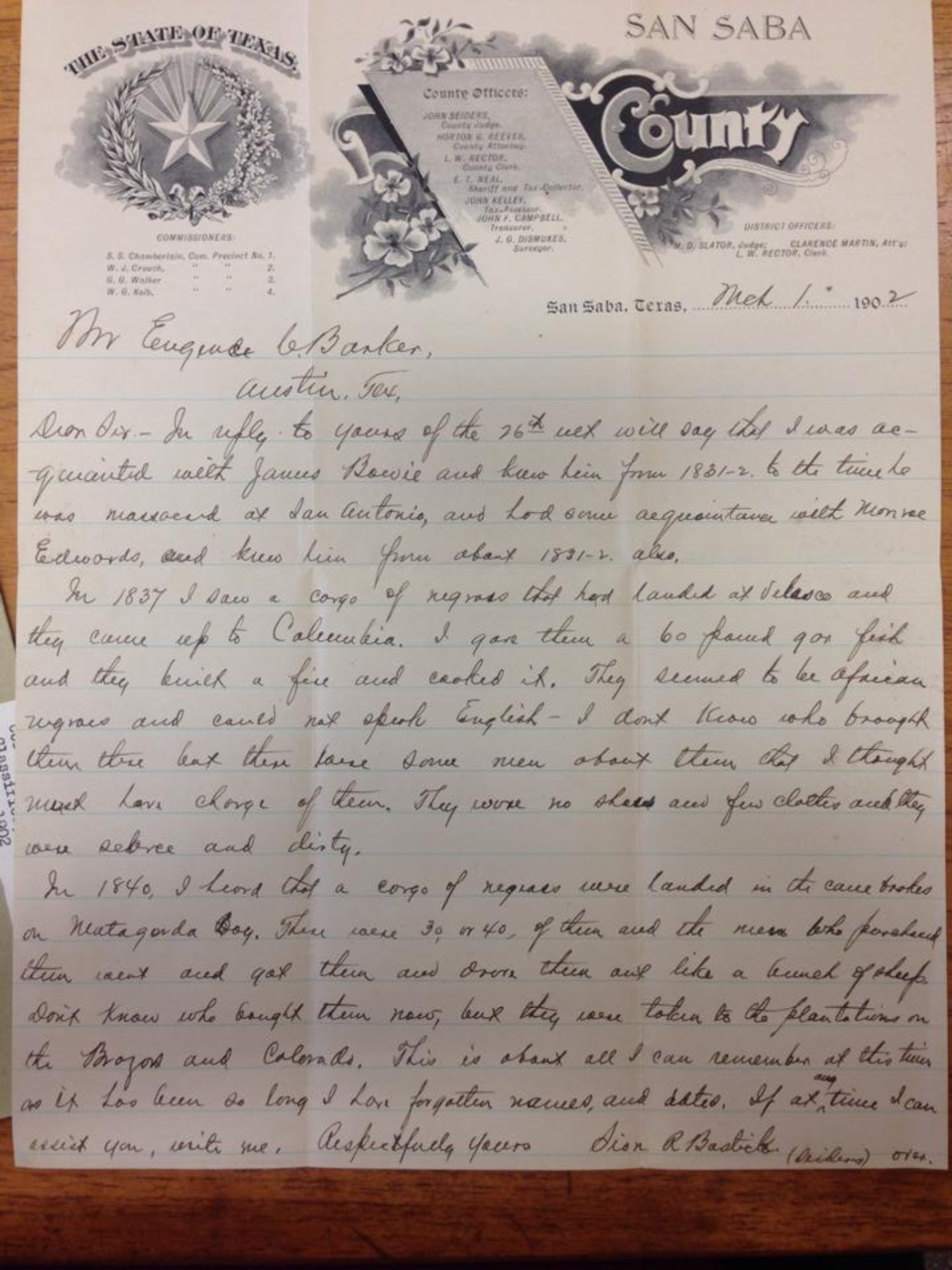
Letter from Sion R. Bostick to Eugene C. Barker discussing the illegal slave trade in Texas in the 1830s

Sion R. Bostick was a decorated soldier who had fought in the Texas army during the Texas Revolution and later was an active community leader in the Texas Veteran’s Association. In 1902 he vividly penned what he remembered about groups of African slaves illegally landing at Velasco and about others smuggled through Matagorda Bay. He wrote that in 1837 he “saw a cargo of negroes that had landed at Velasco” and that he, himself, had given them a “60 pound 9 ounce fish” to cook and eat. Bostick eloquently remembered that the slaves looked dirty and emaciated, that they wore no shoes and seldom any clothes.

The letter from Sion Bostick revealed more than a recollection. It showed that the smuggling of slaves into and through Texas was not such an uncommon practice, as perhaps is often believed; certainly slave smuggling was not thought of as uncommon. Bostick’s language showed that he was not at all surprised that slave smuggling occurred in Texas during a time when it was clearly illegal. For instance, he described at great length his acquaintance with two prominent slave traders, James Bowie and Monroe Edwards. Bostick’s depiction of the slave traders displayed his own lack of apprehension, regret, disgust, or concern about the slave traders’ character and their roles in the illegal slave trade in Texas.
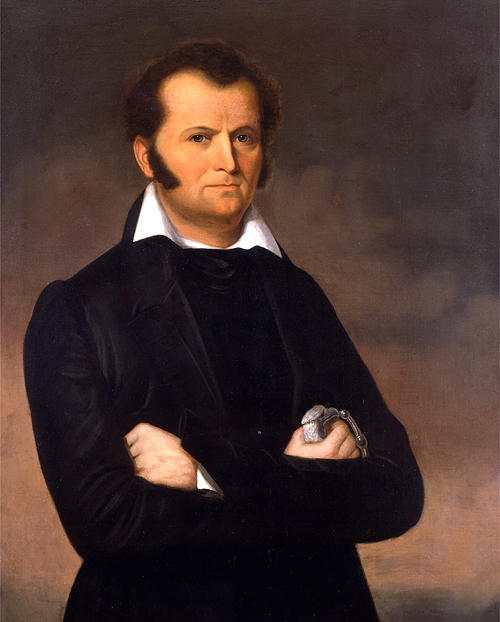
Portrait of Jim Bowie, by George Peter Alexander Healy. a copy of this portrait, painted in 1894, hangs in the Texas State Capitol building. Via Wikipedia.

Bostick’s letter also stands as evidence that an interest in unveiling such hidden histories began at the turn of the century, prompted by Eugene C. Barker. Such primary documents survived unscathed because Barker collected and preserved them. He realized the significance of collecting the memories from elderly Texans, in order preserve aspects of history that would have died if not written down. This particular letter stands in its original form, written in English and in very lucid cursive, as it was received and read by Eugene Barker in 1902. It has been well preserved, despite it having been written in pencil and remains part of the large collection of letters received by Eugene Barker from many sources.

As a source of research, this particular letter raises many questions, as it can be viewed in different ways as oral history, as a memoir, and as a primary record, among other things. For instance, a few of the questions it raised for me were: how did Eugene Barker understand and use the letter? Did he take it at face value? How did he, or how do we, assess its value and authenticity? How was he able to evaluate it as a legitimate recollection when memories are often thought as fragile and inaccurate? Also, how many letters did Eugene Barker write in total? How did he choose the individuals he decided to write letters to? How many of those individuals responded? Did Barker write only to individuals who were elderly men in the 1830s, or did he also write to elderly women? Did he write to white men and women, or men and women who had been formerly enslaved in the 1830s as well? It is impossible to know the answers to all these questions without doing further research on Eugene Barker, his collection, and the circumstances surrounding his academic agenda on the subject of slave smuggling through Texas in the early nineteenth century.

Historians could use this and other letters in the Barker collection to construct a history exposing the illegal slave trade that happened in and through Texas. Some historians could focus on constructing the history about the hardships, the setbacks and the economic profits the smuggling endeavors created. Others could choose to highlight where the slaves were brought in from, how the enslaved fared, and perhaps how they survived and how they perished. Perhaps some historians could study the enslaved who were smuggled, those described by Sion Bostick, where they were taken, what slave owner bought them, if there were any who ran away, and if there were any who perished. In that way historians and students of history can begin to reconstruct the individual narratives of these little known enslaved people.

Letter from Sion R. Bostick to Eugene C. Barker, in Correspondence: Classified, “African Slave Trade in Texas,” 1902, found in Eugene Campbell Barker Papers, 1785, 1812-1959, Dolph Briscoe Center for American History, The University of Texas at Austin.

Information on Sion R. Bostick and his role in the Texas revolution, including personal notes, and obituary, can be found in “Reminiscences of Sion R. Bostick,” The Quarterly of the Texas State Historical Association 5 Vol. 2, (October 1901): 85–96.

You may also like:

Our collection of articles about Mexico-US interactions in the borderlands.


The views and opinions expressed in this article or video are those of the individual author(s) or presenter(s) and do not necessarily reflect the policy or views of the editors at Not Even Past, the UT Department of History, the University of Texas at Austin, or the UT System Board of Regents. Not Even Past is an online public history magazine rather than a peer-reviewed academic journal. While we make efforts to ensure that factual information in articles was obtained from reliable sources, Not Even Past is not responsible for any errors or omissions.

Americans Against the City, By Stephen Conn (2014)

By Emily Whalen

“Have you ever lived in the suburbs?” New York City Mayor Ed Koch asked in a 1982 interview for Playboy magazine. The interviewer had asked the famously witty Koch if he would ever consider a gubernatorial campaign for the state—if Koch won the race, it would mean a move away from the Big Apple and to the governor’s mansion in semi-rural Albany. “It’s sterile,” Koch continued, “It’s nothing. It’s wasting your life, and people do not wish to waste their lives once they’ve seen New York!”

conn-cover

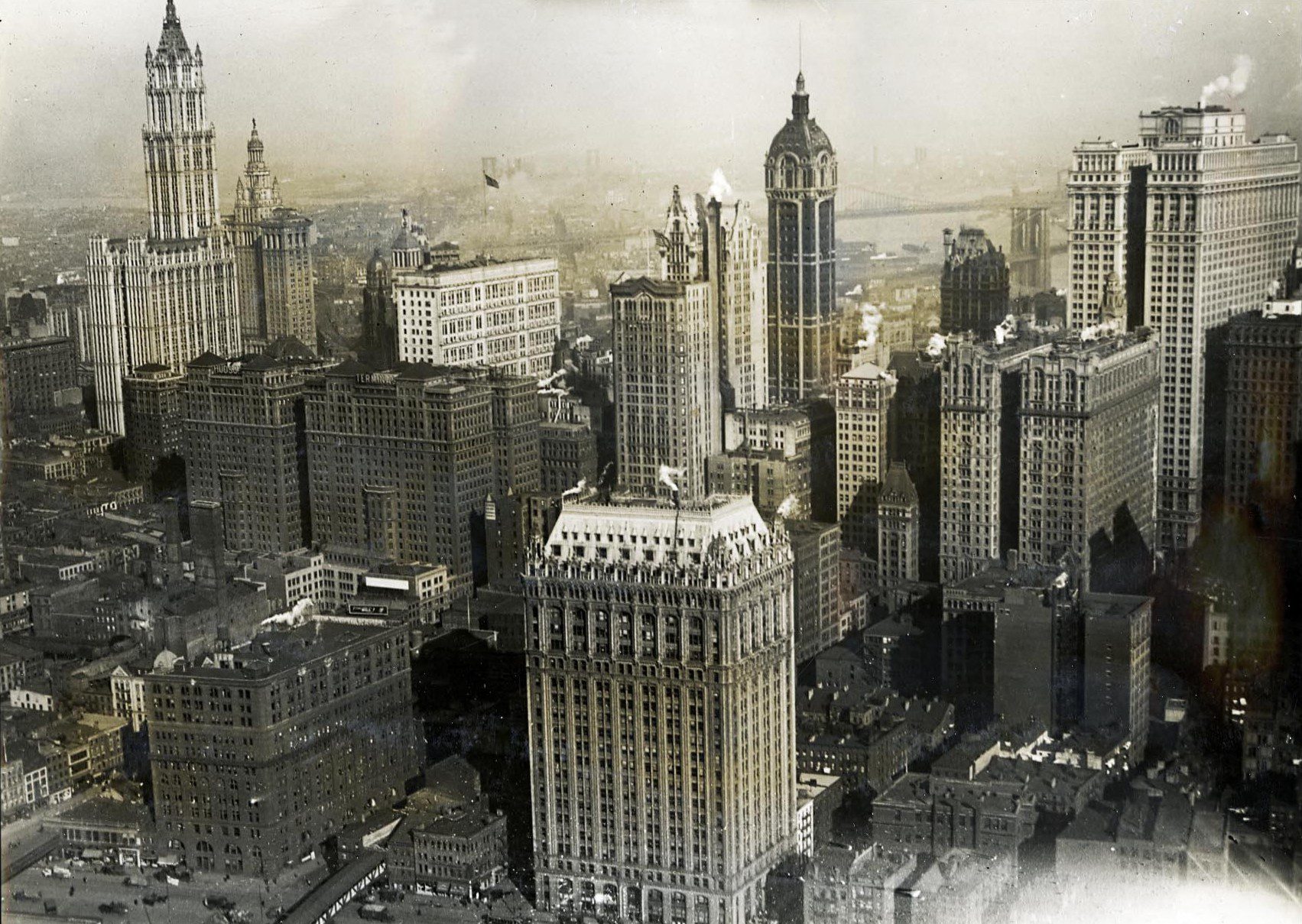
Koch’s bluntness likely closed the door to a potential governorship, despite his popularity among urban constituents. During Koch’s long tenure as mayor (1978-1989) most Americans harbored distinctly anti-urban attitudes, preferring the serenity and monotony of suburban life over the clamor and chaos of the “greatest city in the world.” In fact, as Stephen Conn argues in Americans Against the City, the story of American anti-urbanism—a generalized distaste for the dirt, diversity, and disarray of the city—stretches across the nation’s history. According to Conn, since the end of the Civil War, the American political and physical landscapes have been deeply interrelated. Where and how we live shapes our political attitudes and expectations. Focusing on the material, social, and cultural elements of living habits inside and outside the city, Conn argues that the anti-urban strain in American culture—manifest in the growth of suburbs and decentralized cities—relates directly to a mistrust of centralized government. Progressives in the 1920s saw the dense cities of the Northeast as workshops where the problems of governance could be perfected. Yet by the end of the Second World War, that optimism had faded. Cold Warriors and their successors on both ends of the political spectrum tried to reclaim their independence from big government by rejecting urban life. Conn links the decline of “urbanity” (a sense of collective responsibility and tolerance) in modern politics to this national decentralization—the “hustle and bustle” of a true city provides “lessons in civility and diversity” that once enriched our political process. As Americans fled to suburbs, urbanity—and civility—plummeted.

new_york_city_aerial_view_1919
New York City in 1919 epitomized the benefits and problems of urban life (via Wikimedia Commons).

Beginning with Frederick Jackson Turner (whose 1893 essay “The Significance of the Frontier in American History,” Conn describes as “a Mid-Westerner’s revenge on…an overbearing East Coast.”), Americans have been skeptical of cities. Conn examines how a sense of exceptionalism convinced many Southerners and Westerners in the late 19th century that urban centers like New York City and Chicago posed a threat to American values, like ruggedness, self-sufficiency, and independence. Furthermore,  city-dwellers at the turn of the century faced real problems, such as unsanitary living conditions, corrupt political machines, and overcrowding. Yet the solutions that urban-skeptical reformers offered didn’t address these issues; instead, most of these projects aimed to push people out of cities. The problems of the city, according to people like Benton MacKaye, arose from the density and variation of urban life and would not follow Americans into nature. MacKay designed the Appalachian Trail, the 2,200-mile hiking trail extending from Maine to Georgia, in 1921 in the hopes that city-dwellers would follow it out of the urbanized Northeast and, after finding a more wholesome existence, never return.

appalachian_trail_heading_to_double_springs_gap_from_clingmans_dome
The Appalachian Trail (via Wikimedia Commons).

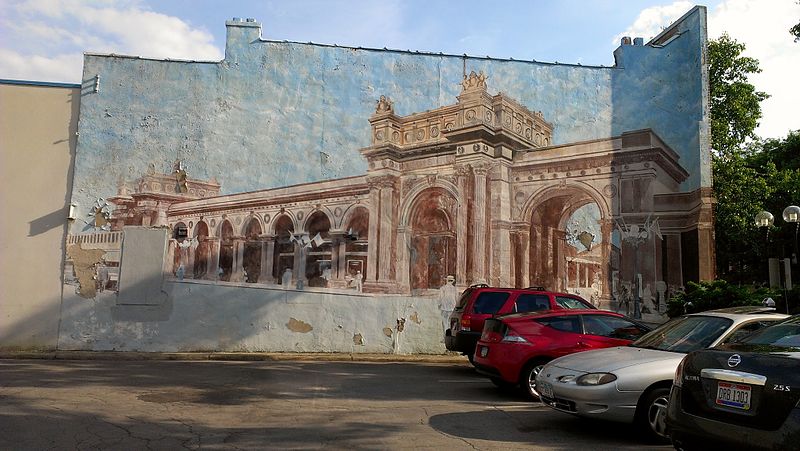
As suburbs proliferated across the nation, Conn argues, they sustained “decentralized cities,” where whites and other privileged groups left urban centers at the end of the work day and returned to homogenous housing developments. “Most suburbs,” Conn explains, rather than developing a unique culture, “functioned to reject the city while simultaneously taking advantage of it.” Decentralized cities like Albuquerque, NM relied on federal government spending for growth, largely for maintaining and constructing roads, despite the anti-government attitudes of their citizens. Other decentralized cities in the Midwest, like Columbus, OH, embarked on “urban renewal” schemes in which the living history of the city fell victim to commercial development. In 1979, city leaders demolished Columbus’s historic train station to make way for a convention center and parking lot. “Beyond expressing their contempt for trains,” Conn argues, “those who ordered the building torn down expressed their contempt for Columbus’s past.” Dismissing the benefits of city dwelling, and the importance of a city’s history, anti-urban sentiments poisoned most urban renewal schemes of the late 19th century.

800px-union_station_mural_by_gregory_ackers_columbus_ohio_1987
This 1987 mural by Gregory Ackers depicts Columbus’ historic Union Station. In 2014, new construction on the lot blocked the mural from public view (via Wikimedia Commons).

Conn looks at many cities across the country in his history of anti-urbanism, including a place familiar to Texans: Houston. Houston city leaders refused to accept federal zoning requirements throughout the 20th century, even when it meant passing on attractive funding opportunities that would enrich public governance and culture. During the Cold War, Houston’s elite saw nefarious designs behind the push for federal zoning laws.  “Zoning was part of a transitive property that led straight to Moscow: zoning = planning = government interference = Stalinism,” Conn relates. Affluent, white residents believed that the free market, not public regulation, would solve Houston’s successive housing crises. Yet, because housing areas were largely segregated by color, privileged Houstonites ignored the problems their poor and marginalized neighbors faced, all while undermining public programs designed to improve general welfare. The elites “simply could not acknowledge that the ‘market’ does not function the same way for all Americans.”

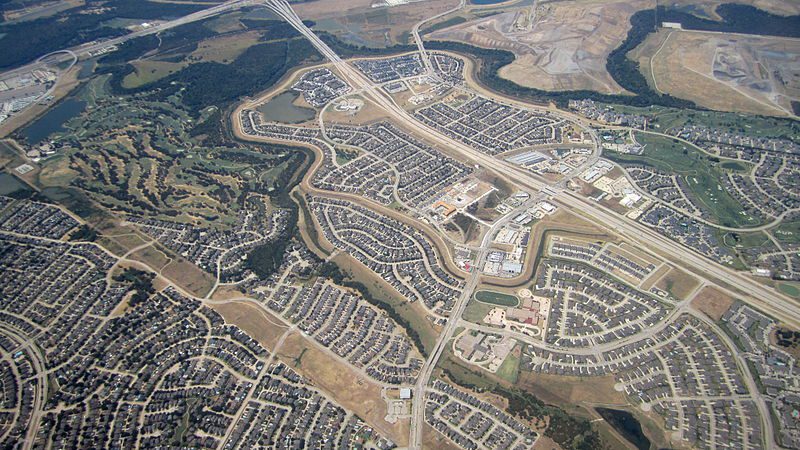
Houston also serves as an example of how modern “gated communities” attempt–and fail–to cultivate the vibrant urbanity lacking in decentralized cities. Communities, Conn demonstrates, are just as much about exclusion as inclusion, and the gated oases of suburbia represent  “exactly the opposite of city life.” The gated communities suggest “a society where social ties have frayed, where we simply do not trust each other and do not even want to make the attempt.” That exclusion—in Houston, as in Greenwich, CT—often follows racial and socioeconomic lines.

aerial_indian_creek_near_dallas_6039814731
Sprawling suburbs, like Indian Creek outside of Dallas, characterize many cities of the American Southwest (via Wikimedia Commons).

Americans Against the City pays close attention to both liberal and conservative anti-urbanism throughout the 19th and 20th centuries. Conn describes the “hippie” communes and environmental movements of the 1970s as “essentially different versions of white flight” from urban issues. Yet toward the end of the book, Martin Anderson (one of President Reagan’s most important economic advisors) and the New Right bear the brunt of Conn’s criticism. These men largely promoted policies based on the idea that the market is more democratic than public government, while simultaneously benefitting from federal access and funding. Fighting against public spending on services and entitlements, Anderson helped entrench the now-prevalent idea that the government has no “role to play in promoting the general welfare, except as it enhances private wealth.”

Americans Against The City stands as a well-researched and provocative history of the ideas and politics rooted in our physical environment.  Conn’s easy writing style and fascinating evidence make the book a pleasure to read. His conclusions resonate with the contemporary moment and offer a new explanation for the fraying political consensus. Suburbs, Conn explains, disconnect us from our geography–disassociating our work lives from our personal lives, our futures from our histories. As a result, although Americans are more mobile than ever, we feel detached from our political geography. This disruption lies at the heart of a creeping polarization in our political discourse, canceling out opportunities for compromise and eroding a sense of collective responsibility. The values of democratic government, Conn reminds us, arose from urban milieux. It remains to be seen whether they will survive in the suburbs.


Read more by Emily Whalen on Not Even Past:
Historical Perspectives on Michael Bay’s 13 Hours: The Secret Soldiers of Benghazi (2016)
Killing a King, by Dan Ephron (2015)
Digital Teaching: Talking in Class? Yes, Please!

History Revealed in a Very Small Place

Editor’s Note: This is the first article we posted about Texas on Not Even Past. Historian, photographer, and Professor Bob Abzug takes us on a short tour of the intersection of Jewish and African American History in one small town in Texas.

by Robert Abzug

Our family knew Luling as a town one passed through quickly on trips from Austin to the Gulf coast, noticing only banners for the next “watermelon thump” and gaily decorated oil pump jacks. Recently it became my unlikely entry point into a visual appreciation of Texas Jewish history and more. I have taken photographs for about fifty years and, for the past twenty-five years have recorded signs of sacred life on the landscape, a project I call “religion by the side of the road.” Mostly, my writing and photography have engaged Protestantism in its myriad forms, though I myself am a Jew. However, in the spring of 2007, Dean Randy Diehl of the College of Liberal Arts asked me to become founding director of the Schusterman Center for Jewish Studies, and the private project took on a form more integrated with my new task. I decided to learn more about Texas Jews.

Jews in Luling? It is hardly Vilna on the San Marcos–there is no synagogue and perhaps no longer any Jews among its 5500 inhabitants. Yet, an online listing of a small Jewish Cemetery (80 graves) in the town piqued my curiosity. My wife and I set out one weekend morning in search of the site and found ourselves amid an old, modest, almost rural African-American neighborhood. Some of the small houses looked as if they had been built in the late nineteenth century. We couldn’t find the cemetery and searched an open lot, thinking–a romantic notion–that its graves had crumbled from neglect, lost under the leaves and dirt.

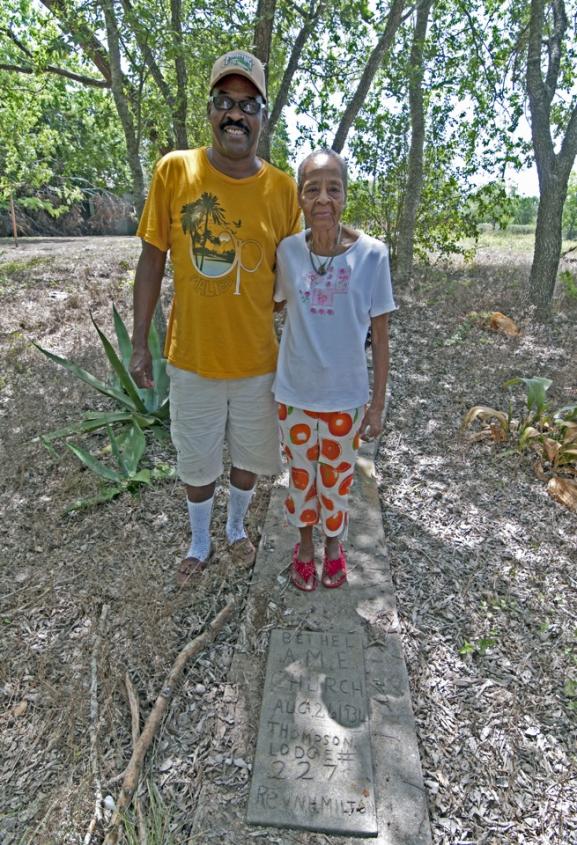
Instead of Jewish headstones, however, I found a concrete marker commemorating what was once the location of the community’s Bethel A.M.E. Church. At about the same time, a large man in his 50s and his aged mother noticed us and came by. We told them what we were looking for, shared the discovery of the plaque, and learned a bit about the history of the black community. It turns out Jews and African-Americans came to Luling in the 1880s, soon after the town was founded (1874) as a railroad junction for cotton growers. The mother was part of one of the founding families, as were many who still lived there. The Jewish families had since moved to San Antonio, Houston, and other big cities, following a well-worn pattern across the state. We asked after the Jewish Cemetery, and the man noted that just down the street there was a “white graveyard.” I thanked them, and asked them if I could take their picture at the site of the church. We warmly said our goodbyes and walked down the road. (Illustration 1)

Photograph of an African American couple standing next to a marker showing where the Bethel A.M.E. church used to be

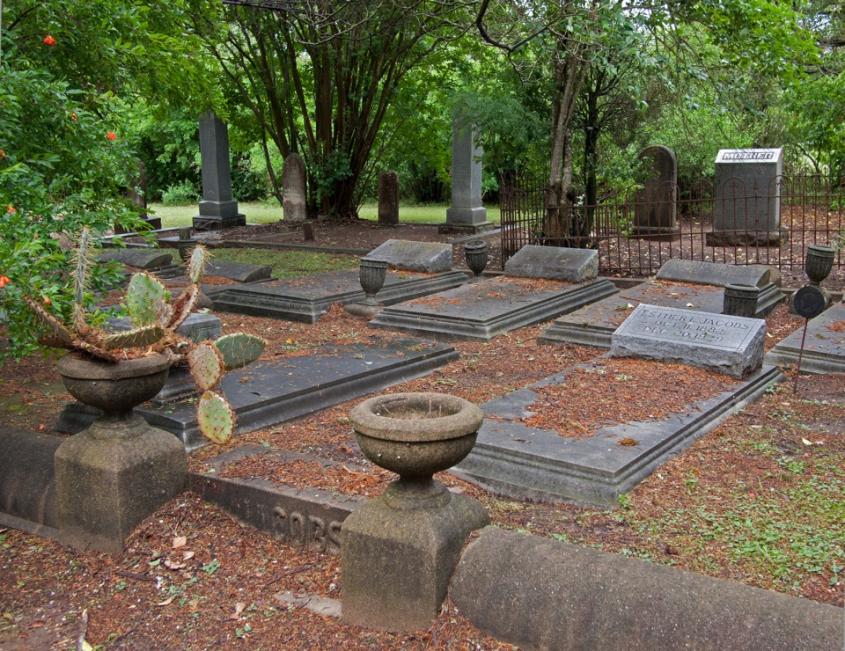
We found a small, well-tended cemetery filled with stones from the nineteenth and twentieth centuries, all bearing the signs of tradition–Hebrew texts and Jewish names–and of acculturation. (Illustration 2)

Grave stones from a "white" graveyard in Luling, Texas

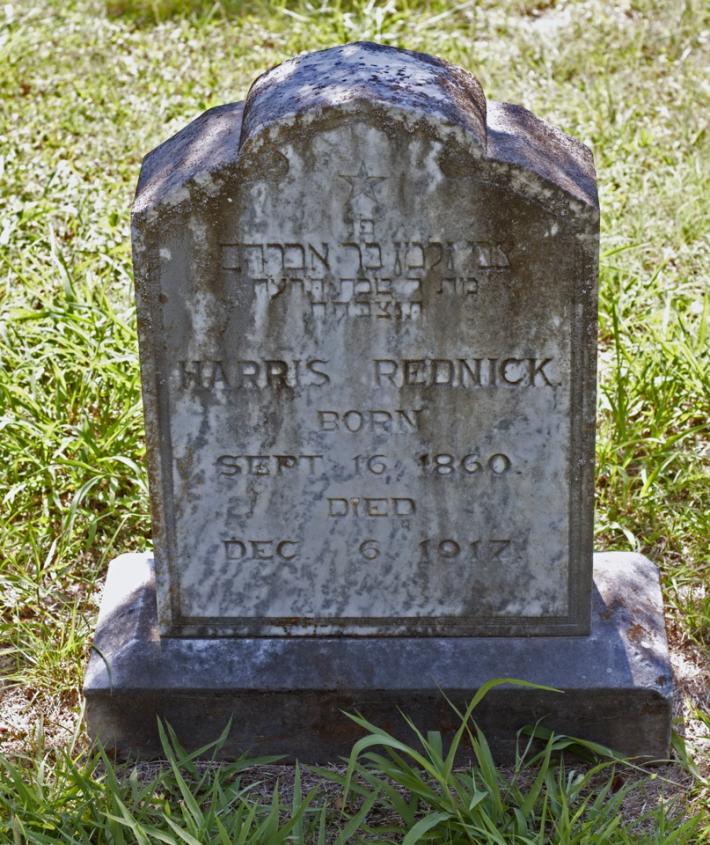
Places of origin varied from Germany to Poland to Russia, as well as some noting Texas birthplaces (sadly, numerous infant deaths were marked as well). Anglicized names abounded as well, and one was quite striking in its noting the departed as a member of Woodmen of the World fraternal organization. My favorite stone was that of Harris Rednick, just one letter shy of redneck, whose stone featured what almost certainly was a Texas Star. (Illustration 3)

Gravestone of Harris Rednick from a graveyard in Luling, Texas

We hoped to top off the day with BBQ at the City Market, but alas they had unexpectedly sold out all their brisket and ribs to a passing tour bus! Still, this half-day in Luling became a short course in Texas, Jewish, and African-American history in one place.

All photographs by Robert Abzug.


The views and opinions expressed in this article or video are those of the individual author(s) or presenter(s) and do not necessarily reflect the policy or views of the editors at Not Even Past, the UT Department of History, the University of Texas at Austin, or the UT System Board of Regents. Not Even Past is an online public history magazine rather than a peer-reviewed academic journal. While we make efforts to ensure that factual information in articles was obtained from reliable sources, Not Even Past is not responsible for any errors or omissions.

Tejanos through Time

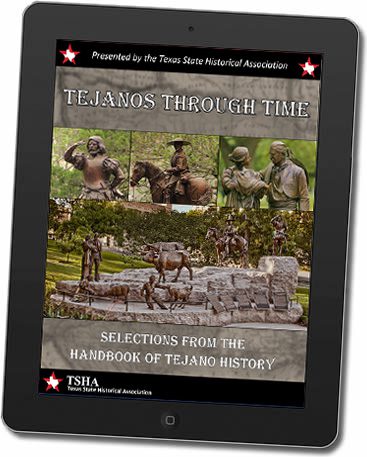
Image of iPad showing homepage of Tejanos Through Time website

The Texas State Historical Association, the oldest and most important professional organization dedicated to preserving and advancing knowledge about Texas history, recently announced the publication of an eBook entitled Tejanos through Time, Selections from the Handbook of Tejano History. The publication, edited by Emilio Zamora, Professor in the Department of History at the University of Texas at Austin, and Andrés Tijerina, Professor in the Department of History at Austin Community College, brings focused attention to the fastest growing population group in Texas that has also played a significant role in the history of the state. Aside from acknowledging the contemporary and historical significance of Tejanos, the Association is announcing its commitment to a full rendering of Texas history in its online Handbook of Texas History.

Tejanos through Time began as a one-year project to increase the number of articles on Tejanos in the Handbook of Texas. The Handbook of Tejano History project received financial support from the Tejano Monument Inc., the organization responsible for the magnificent Tejano Monument on the Southeast section of the Texas Capitol Grounds. The project was so successful that the authors who answered the call for generating new articles on Tejanos for the Handbook of Texas exceeded the original goal of one hundred works to produce two hundred pieces that will be appearing in the Handbook of Texas. A new and more extensive eBook and hard copy version on Tejano history will be available in March 2017.

Not Even Past takes this opportunity to once again welcome the Association back to the University of Texas. Our History Department was instrumental in establishing the organization in 1897. It operated here until 2008 when it moved to the University of North Texas. Last year, the organization relocated its offices back to the University of Texas at Austin where it has re-established its relationship with the Department of History. The publication of Tejanos through Time is a welcomed cause for celebrating this renewed relationship.


The views and opinions expressed in this article or video are those of the individual author(s) or presenter(s) and do not necessarily reflect the policy or views of the editors at Not Even Past, the UT Department of History, the University of Texas at Austin, or the UT System Board of Regents. Not Even Past is an online public history magazine rather than a peer-reviewed academic journal. While we make efforts to ensure that factual information in articles was obtained from reliable sources, Not Even Past is not responsible for any errors or omissions.
A Gold Mine in a Silver Edition: Jim Hogg County, March 9, 1939

Banner image for "A Gold Mine in a Silver Edition: Jim Hogg County, March 9, 1939" article

Browsing through the online finding aids for the Dolph Briscoe Center for American History, I was stunned to discover that they housed an original copy of a 1939 newspaper from Hebbronville, my hometown in South Texas. The curiosity quickly got the better of me and I was at the repository the next day calling up this item. Two thoughts running ran through my mind: “How funny that it ended up here” and “What is so special about March 9, 1939?”

The archivist brought me a larger than usual box that held newspapers from towns all across Texas beginning with the letter “H.” The archivist looked at the box, said “Good luck,” and left me to my searching. To my delight and relief, the newspaper I was looking for sat at the top of the pile, bound in its own cover.

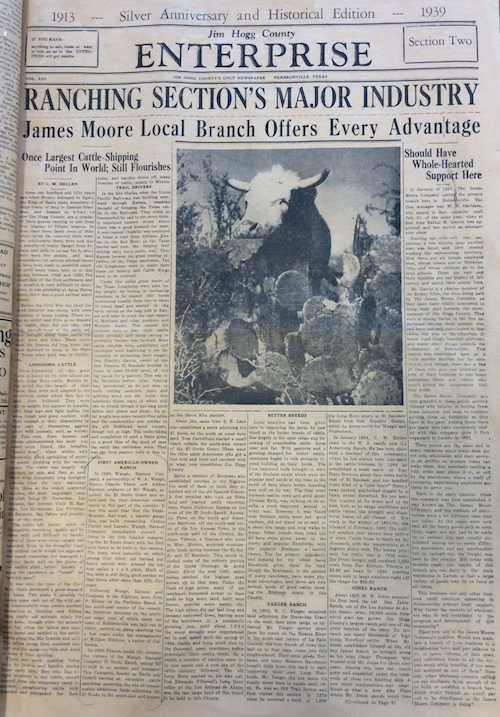
I soon found what made this issue of the newspaper so unique. The March 9, 1939 issue of the Jim Hogg County Enterprise was the “Silver Anniversary Edition,” commemorating the twenty-fifth anniversary of the county. The anniversary issue is compiled of articles ranging from brief histories of the local churches and schools to the railroad’s impact on the town, but section two had something that caught my attention.

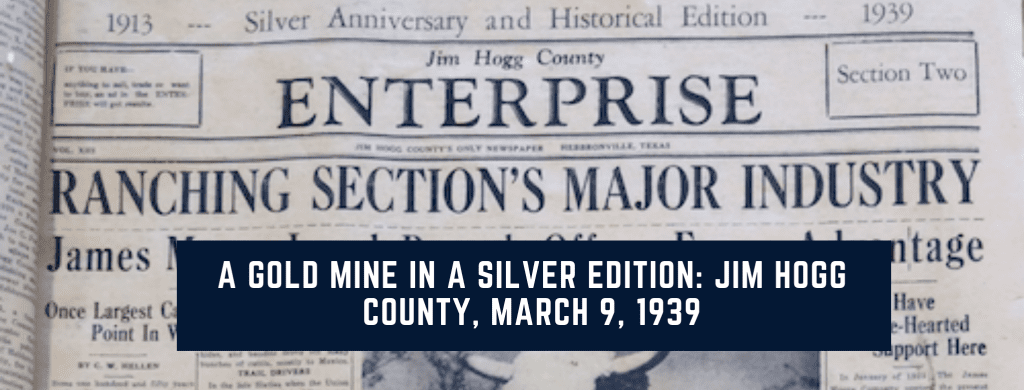
Image of the front page of Jim Hogg County Enterprise (Hebbronville, TX), March 9, 1939.
Jim Hogg County Enterprise (Hebbronville, TX), March 9, 1939.

During Jim Hogg County’s now more than 100-year existence, the ranching industry has played a prominent role, economically and socially. Featured on the front page of the second section of the Enterprise was a detailed article about the industry’s place within the area. The headlines are stacked upon each other, perhaps to grab the reader’s attention and preview the two main articles on the page. The only other element on the page is a photograph of a bull surrounded by mesquite trees and chomping on some cactus. The front page of this newspaper boasted that it was the largest edition to ever be printed in the county and the ranching industry’s highlight within it underlines its importance in the community.

The industry had notable involvement within the economic structure of the county, as well as Hebbronville, the county seat. This is evident by the headline “Once Largest Cattle-Shipping Point In World; Still Flourishes.” Though some historians argue the cattle boom ended by 1900, almost forty years later, it was still a viable way of life in Jim Hogg County.

Welcome sign for Hebbronville, 'The Vaquero Capitol of Texas and the USA.' Photo from 2011. Via Wikipedia.
Welcome sign for Hebbronville, ‘The Vaquero Capitol of Texas and the USA.’ Photo from 2011. Via Wikipedia.

It is interesting that the sub-articles in the section are solely about ranches owned and operated by Anglos, not the Hispanic workforce, which made up the majority of the population of Jim Hogg County. The Yaeger and Jones Ranches are specifically mentioned, as are their owners H.C. Yaeger and W.W. Jones. Both men acquired land to build their ranches from previous Mexican land grants in the area. These men, one could say, were the examples to men like Hellen who later followed in their footsteps, moving south and establishing ranches for the profitable business of raising cattle. The only Hispanic mentioned in these articles is Don Hipolito Garcia, the original inhabitant of this area.

These men profited from the cattle industry and breeds of cattle that descended from the longhorn. The article recounts the rise of longhorn drives to Kansas and the shift away from sheep raising, giving a sense of the economy before the introduction of the now famous cattle drives. Though almost synonymous with South Texas, the longhorn was not always the most prominent livestock of the area.

The only photograph featured on the page tells us a lot about the environment of area. It is mostly arid. Cactus and mesquite are common due to their ability to withstand little, if any, rainfall. The bull, marked by its horns, is another common sight. Obviously, the cattle industry relied on the animal pictured and it is not surprising that they used this image.

Unfortunately, the Briscoe does not keep record of who donates original newspapers, as they do with more formal collections. Unlike a collection, where it can be further analyzed by researching the donor, I may never find out why a newspaper from a small South Texas town ended up here. It would be interesting to know who thought this newspaper had value to archive it. Being a historian in a digital age definitely has its benefits. Though the newspaper is not digitized, the internet still led me to a great archival find.

Source: Jim Hogg County Enterprise (Hebbronville, TX), March 9, 1939, Newspaper Collection, Dolph Briscoe Center for American History, The University of Texas at Austin, Box H.

More digitized Texas newspapers can be found in The Portal to Texas History.

“Mapping Texts,” a collaboration between the University of North Texas and Stanford University, offers tools for advanced searching and analyzing newspapers in the collection.

For more on the ranching industry in South Texas a few notable books are worth mentioning:

Armando Alonzo, Tejano Legacy: Rancheros and Settlers in South Texas 1734-1900 (University of New Mexico Press, 1998)

David Montejano, Anglos and Mexicans in the Making of Texas, 1836-1986 (University of Texas Press, 1987)

Andrés Tijerina, Tejano Empire: Life on the South Texas Ranchos (Texas A & M University Press, 1998)


The views and opinions expressed in this article or video are those of the individual author(s) or presenter(s) and do not necessarily reflect the policy or views of the editors at Not Even Past, the UT Department of History, the University of Texas at Austin, or the UT System Board of Regents. Not Even Past is an online public history magazine rather than a peer-reviewed academic journal. While we make efforts to ensure that factual information in articles was obtained from reliable sources, Not Even Past is not responsible for any errors or omissions.
The Curious Life of General Jackson’s Horse’s Hair

By Josh Urich

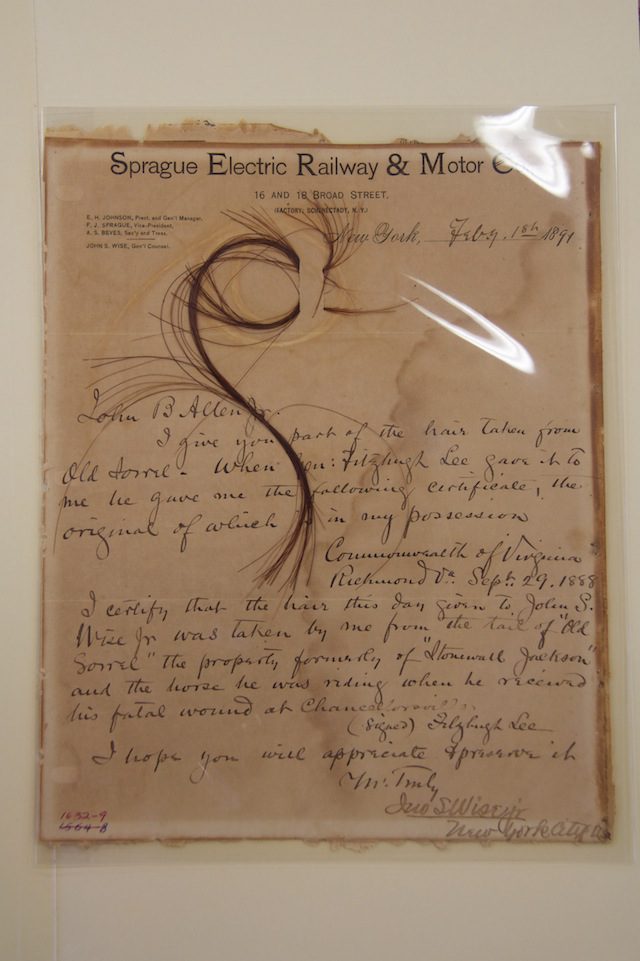
The artifact below and the document that accompanies it are out of the ordinary: hair taken from General Thomas Jonathan “Stonewall” Jackson’s horse, Old Sorrel. The hair itself was plucked by General Fitzhugh Lee and given to John S. Wise, the son of former Virginia governor Henry S. Wise. John S. Wise in turn gave the hair (and a copy of Fitzhugh’s certificate of authenticity) to John B. Allen in 1891, who sent it to his father, J.B., that same year.

Old Sorrel hair
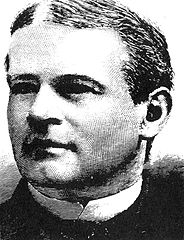
Black and white image of Virginia Congressman John Sergeant Wise, circa 1885. Via Wikipedia.
Virginia Congressman John Sergeant Wise, circa 1885. Via Wikipedia.

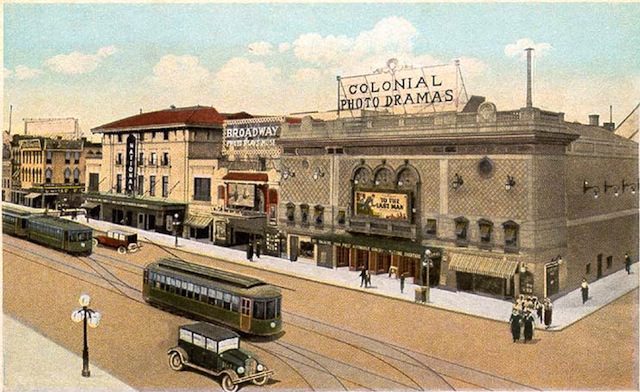
Aside from Stonewall Jackson, there are two especially important names in this list. The first is John S. Wise, the general counsel for the Sprague Electric Railway & Motor Company, which was responsible for installing the first successful citywide electric streetcar system in the world in Richmond, Virginia. Sprague’s improvements to the electric streetcar rendered horse-drawn streetcars obsolete––an interesting coincidence given the equine nature of this artifact. But it is also significant that John S. Wise ran for governor of Virginia as a Readjuster in 1885. The Readjuster party formed in the wake of the Civil War and African Americans’ entry into politics. The party was biracial and, in places, had a black majority. Their name refers to their mission to “readjust” the wealth gap between the planter elite and everyone else. The party’s other goals were the advancement of civil rights, particularly among blacks.

Postcard of electric trolley-powered streetcars in Richmond, Virginia, in 1923, two generations after Frank J. Sprague successfully demonstrated his new system on the hills in 1888. The intersection shown is at 8th & Broad Streets. Via Wikipedia.

The second important name is Fitzhugh Lee. Lee was a confederate general during the Civil War, and Wise’s Democratic opponent in the 1885 gubernatorial race. With Wise running as a Readjuster and Lee running as a Democrat, this race would help decide Virginia’s post-Civil War path. Would it abandon its Old South political style and traditions under Wise, or would it cling to them under Lee? Lee and his Southern Democrat ideology were victorious and Lee served as Virginia’s governor until 1890. Governor Lee gave the hair to Wise three years after the race.

Black and white photograph of Fitzhugh Lee
Fitzhugh Lee

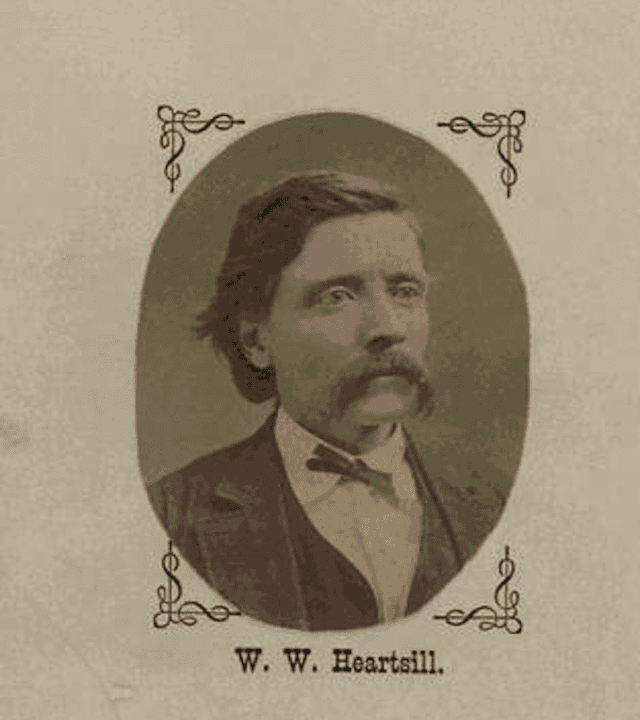
Such a gift was laden with the mythology of the “Lost Cause.” Next to Robert E. Lee, Stonewall Jackson was the most revered southern general. One Confederate veteran, William Williston Heartsill, called Jackson the “Soldier Saint of the Lost Cause,” the man who gave the South “sublime confidence” until his untimely death. A hair from Jackson’s horse was not mere memorabilia, it was a relic––an object made sacred to the southern cause through its proximity to the South’s “Soldier Saint,” Stonewall Jackson.

Why did Fitzhugh Lee, a Democrat and the man who defeated Wise in the 1885 gubernatorial race, give the horse hair to Wise? Wise, a Readjuster, must have had complicated feelings about the Old South mythology embodied in such a relic. Is this perhaps why Wise gave the hair away? Or simply because it brought back bad memories of the race of 1885? This document invites many interesting questions but sadly yields few answers.

A portrait of Stonewall Jackson (1864) held in the National Portrait Gallery. Via Wikipedia.

Old Sorrel’s hair is held at the Dolph Briscoe Center for American History, University of Texas at Austin.

You may also like in Texas History:

UT Professor of History Bruce Hunt’s article on the transition from streetcars powered by mule to electricity.

Josh Urich on William Williston Heartsill’s diary

Confederados: The Texans of Brazil

“The Battle of Bandera Pass and the Making of Lone Star Legend”

A Texas Ranger and the Letter of the Law

“The Die is Cast”: Early Texans Face the Comanches

Standard Oil writes a “history” of the old south

Stephen F. Austin visits a New Orleans bookstore


The views and opinions expressed in this article or video are those of the individual author(s) or presenter(s) and do not necessarily reflect the policy or views of the editors at Not Even Past, the UT Department of History, the University of Texas at Austin, or the UT System Board of Regents. Not Even Past is an online public history magazine rather than a peer-reviewed academic journal. While we make efforts to ensure that factual information in articles was obtained from reliable sources, Not Even Past is not responsible for any errors or omissions.
Conflict in the Confederacy: William Williston Heartsill’s diary

By Josh Urich

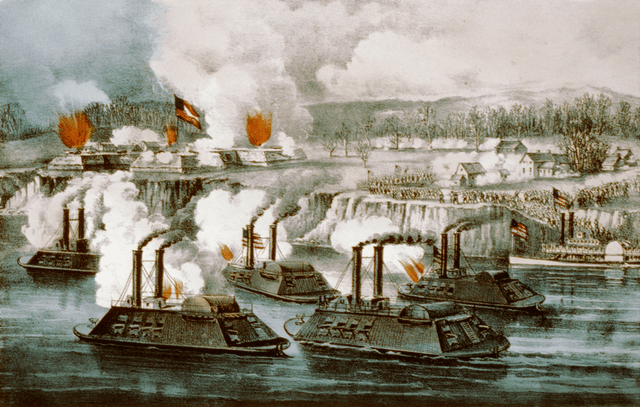
William Williston Heartsill volunteered to fight for the South before the Civil War even began. For the first two years of his service, he and his comrades from Harrison County, Texas served as a cavalryman on Texas’s western frontier. His unit, the W.P. Lane Rangers, finally saw combat at the Battle of Arkansas Post on January 11, 1863. They were captured on the second day of combat. Heartsill spent several months in Camp Douglas in Illinois and then was exchanged for Union prisoners.

Print of the bombardment and capture of Fort Hindman, Arkansas Post, January 11th 1863. Via Wikipedia.
Bombardment and capture of Fort Hindman, Arkansas Post, January 11th 1863. Via Wikipedia.

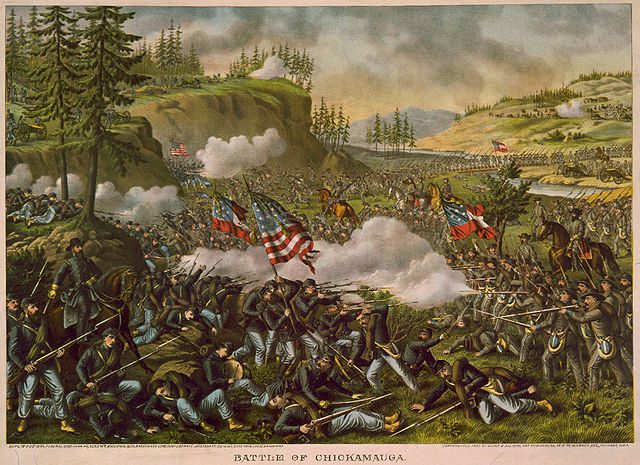
Upon their release, the Lane Rangers were separated and Heartsill was mustered into General Braxton Bragg’s infantry. Heartsill resented serving as a conscripted infantryman and longed to rejoin the rest of his volunteer unit on horseback. After the battle Chickamauga, and mere days before the battle of Chattanooga, Heartsill and one of his fellow Rangers abandoned Bragg’s army and headed back to Texas to rejoin the W.P. Lane Rangers. They succeeded after a month of dangerous travel.

Print of the Battle of Chickamauga. Via Wikipedia.
Battle of Chickamauga. Via Wikipedia.

The Lane Rangers saw little combat before they were dissolved in mid-1865. Five years after the war concluded, Heartsill printed one thousand copies of his wartime diary––although not before editing it to defend his desertion and his company’s honor. Shortly after his diary was published, he was elected mayor of Marshall, Texas, Harrison’s county seat. In the ensuing decades, Heartsill was active in the leadership of the Marshall camp of the United Confederate Veterans and was involved in both regional politics and business.

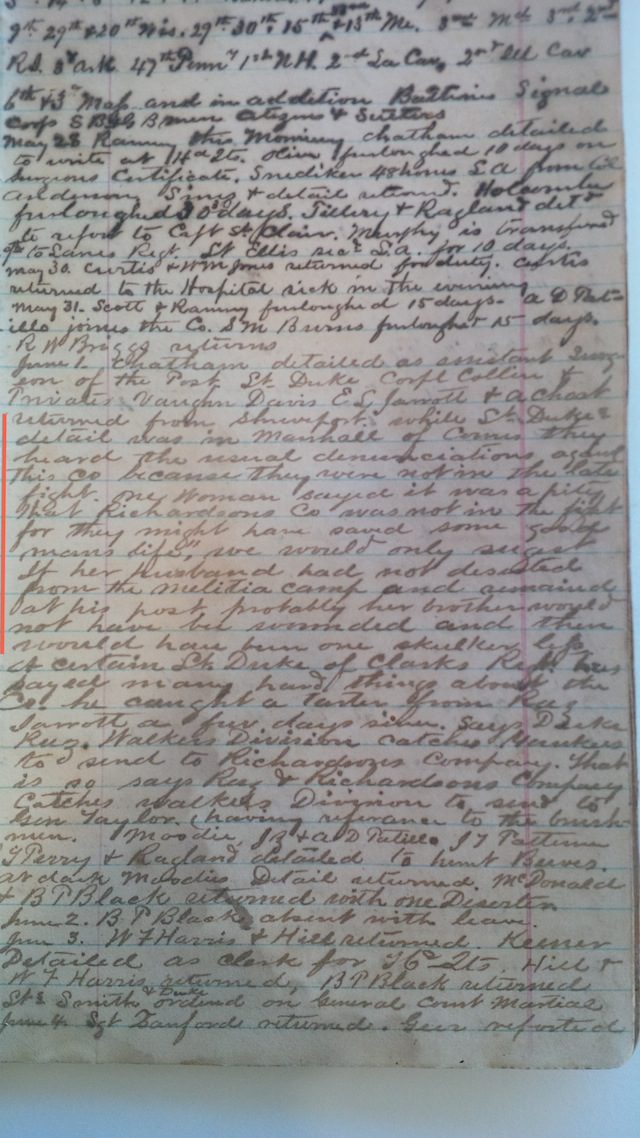
The section of the diary below is taken from the June 1, 1864 entry of Heartsill’s diary. At this point in the war, Heartsill had already abandoned Bragg’s army and rejoined the Rangers in the same place they started, Harrison County, Texas. After a number of weeks back in Harrison, Heartsill and the men began to hear “denouncements” against them. There were several reasons the townspeople turned against the Rangers. During their service, they had lost about ten percent of their company. By contrast, other units from Harrison County lost an average of fifty percent each. Many people in the county lost children or siblings from these other units. It was natural for townspeople who had lost loved ones to feel resentful towards the Rangers, considering their high survival rate. The Rangers were also an independent company and their limited combat experience, especially compared to the county’s other units, would have reflected poorly on their honor, an important southern value.

Entry from Heartsill's diary dated June 1, 1864.
Entry from Heartsill’s diary dated June 1, 1864.

Finally, the townspeople provided both emotional and material support to the Texan units. The townspeople must have wondered why the W.P. Lane Rangers accepted all of the town’s support but were not out on the frontlines. For the woman mentioned in this entry in particular, though, the root of her frustration was clearly the death of her relative. How must she have felt, seeing the Rangers still in Marshall––the Rangers who rarely saw combat, and who never, even at Arkansas Post, experienced casualty rates as high as most companies?

This document points to the internal conflicts that ate at the Confederacy from the local level up. Not only was Heartsill himself a deserter (at least briefly), but so also was this woman’s husband––if Heartsill is to be believed. Moreover, the financial burdens that companies placed upon towns put stress on loyalty to the southern cause.

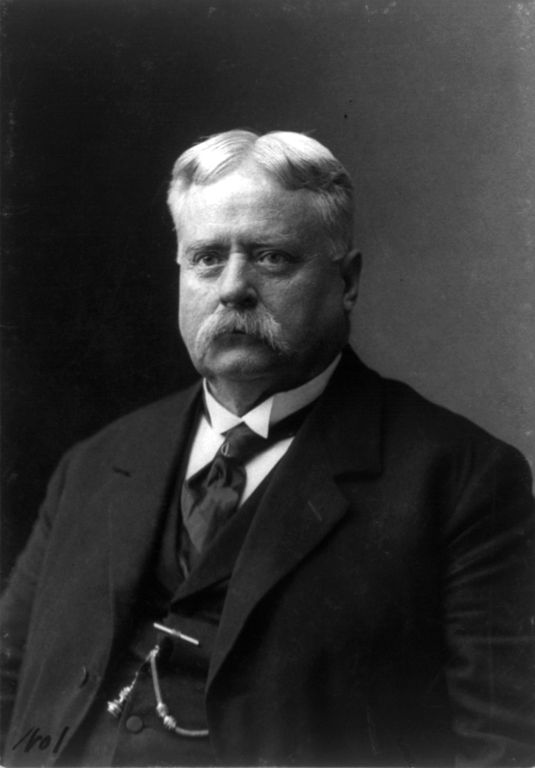
Portrait of Heartsill included on the first page of diary. Via Library of Congress.

William Williston Heartsill’s papers are held at the Dolph Briscoe Center for American History, University of Texas at Austin.

You may also like in Texas History:

Confederados: The Texans of Brazil

“The Battle of Bandera Pass and the Making of Lone Star Legend”

A Texas Ranger and the Letter of the Law

“The Die is Cast”: Early Texans Face the Comanches

Standard Oil writes a “history” of the old south

Stephen F. Austin visits a New Orleans bookstore


The views and opinions expressed in this article or video are those of the individual author(s) or presenter(s) and do not necessarily reflect the policy or views of the editors at Not Even Past, the UT Department of History, the University of Texas at Austin, or the UT System Board of Regents. Not Even Past is an online public history magazine rather than a peer-reviewed academic journal. While we make efforts to ensure that factual information in articles was obtained from reliable sources, Not Even Past is not responsible for any errors or omissions.
Latinas and Latinos: A Growing Presence in the Texas State Historical Association

By Dr. Cynthia E. Orozco

Historians, both veterans and newcomers, recently gathered at the 2015 Texas State Historical Association conference in Corpus Christi. UT Austin, past and present, was well represented. Veteran Tejano historians Roberto Villarreal, Andres Tijerina, and Emilio Zamora attended, all of whom were part of the 1973 UT Austin MA Program in History, the first significant cadre of Tejano graduate students, following Carlos Castaneda and Jovita Gonzalez from decades before.

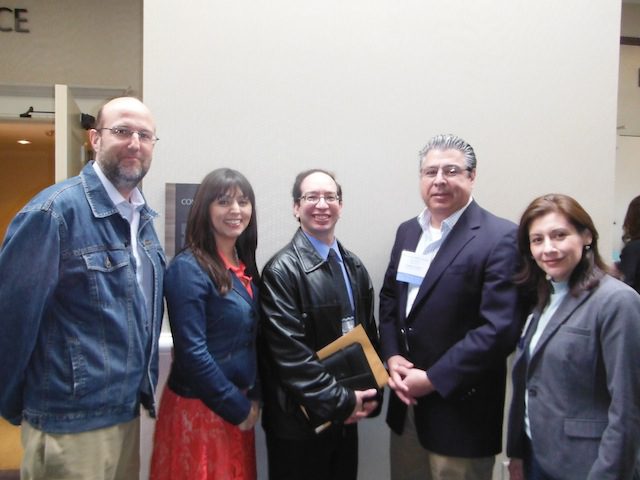
Dr. Benjamin Johnson; Dr. Monica Munoz Martinez; Dr. John Moran Gonzales; Dr. Trinidad Gonzales; and Dr. Sonia Hernandez

Historical presentations

At breakfast, Villarreal spoke of obstacles various historians placed before him to prevent his success. Today, Dr. Tijerina and Dr. Zamora are co-editing the forthcoming Tejano Handbook of Texas. Dr. Arnoldo De Leon, previous advisor to the Tejano entries of the Handbook’s 1996 edition, was also present as was Jesus F. de la Teja (UT PhD, 1988) who talked about his past role as a Texas State Historian. Dr. Carlos Blanton celebrated the recent publication of his book on UT’s Dr. George I. Sanchez, and Dr. Gabriela Gonzalez celebrated the publication of her essay on Jovita Idar in Texas Women: Their Histories, Their Lives.

Most encouraging was that for the first time a significant number of Latinas employed in history departments in Texas and elsewhere presented or attended. Present was Dr. Maritza de la Trinidad (UT Pan American); Dr. Laura Munoz (Texas A & M Corpus Christi); Dr. Gabriela Gonzalez (UTSA); Dr. Monica Munoz Martinez (Brown University); Dr. Sonia Hernandez (Texas A & M College Station); Dr. Cynthia E. Orozco (ENMU Ruidoso); and Dr. Caroline Castillo Crimm (retired, Sam Houston State University, UT PhD, 1994). English professor, Dr. Patricia Portales and doctoral candidate, Cecilia Venerable (UTEP) also presented.

Dr. Patricia Portales; PhD candidate Cecilia Venerable; Attorney Sharyll Teneyuca; Dr. Laura Munoz; Dr. Gabriela Gonzalez; Dr. Maritza de la Trinidad; Dr. Cynthia E. Orozco;  Dr. Sonia Hernandez; and Dr. Carmen Tafolla
Dr. Patricia Portales; PhD candidate Cecilia Venerable; Attorney Sharyll Teneyuca; Dr. Laura Munoz; Dr. Gabriela Gonzalez; Dr. Maritza de la Trinidad; Dr. Cynthia E. Orozco; Dr. Sonia Hernandez; and Dr. Carmen Tafolla

Other Tejanas conducting historical research also attended. Writer Dr. Carmen Tafolla and lawyer Sharyll Teneyuca spoke about labor activist and intellectual Emma Tenayuca. Archaeologist Dr. Mary Jo Galindo spoke about her grandmother, Mexicanist activist of San Antonio and Lytle, Texas, Maria L. Hernandez.

Several sessions were outstanding, including Grassroots Tejano History in Austin, San Antonio, and Laredo; Border Violence, 1915-1919; Tejana leaders; Dr. Hector P. Garcia; and Corpus Christi archives.

Grassroots Public and Community History

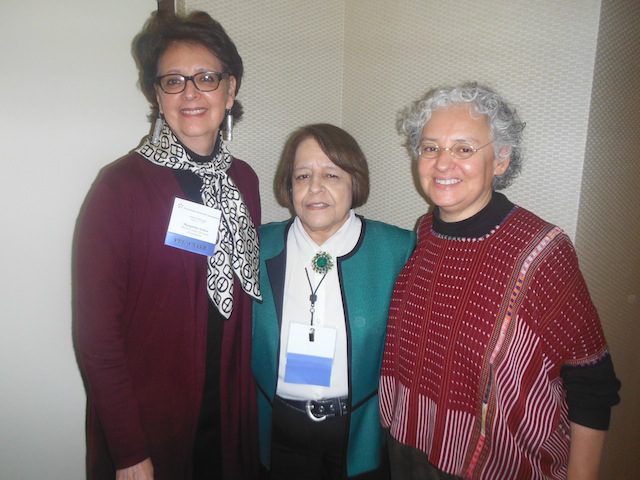
Latinas involved in Public History — historical preservation, public programming, and archival collections — were there too. These included Dr. Nancy Vera (Corpus Christi); Graciela Sanchez (San Antonio); Gloria Espitia (Austin); and Margarita Araiza (Laredo). All are key to grassroots Latino historical preservation, public programming, research, and archival preservation in their respective cities.

Tejano Grassroots History: Margarita Azaia; Gloria Espitia; and Graciela Sanchez

The Hispanic Heritage Center of Texas, a grass-roots institution, organized a session on South Texas’ role in Tejano-Mexicano culture. Founded in 2008, it focuses on the 17th, 18th, and 19th centuries.

Efforts by Laredo, Austin, and San Antonio community activists to preserve and promote Tejano and Tejana history were addressed. Margarita Araiza of the Webb County Heritage Foundation noted that historical fallacies are still being promulgated: Texas Monthly reported that Stephen F. Austin was the father of Texas and that the US cattle ranching industry was born in the 19th century, facts negating Spanish and Mexican presence.

The Webb County Heritage Foundation in Laredo works to preserve historic architecture and maintains the Villa Antigua Border Heritage Museum and the Republic of the Rio Grande Museum. It also sponsors a young archivist program along with a Cine de la Epoca de Oro (Mexican Golden Age movies), tours, and has succeeded in getting Laredo local history into the common core at public schools. Its publications include a Laredo Legacies booklet, a Haunted Heritage book, and pamphlets on Leonor Magnon de Villegas and Jovita Idar. The foundation presented its ten minute professional video on Magnon de Villegas.

Gloria Espitia, previously of the Austin History Center, reported that ordinary folks do not consider their materials “historical.” She spoke about exhibits she coordinated: Diez y seis; an Elderly Oral History Project (assisted by Professor Maggie Rivas-Rodriguez of UT); Quinceneras; Mexican American Firsts Trailblazers; Austin Brown Berets; and Latina Musicians. She also spearheaded an oral history project with Martin Middle school to document the thirty year effort to create the Mexican American Cultural Center in Austin.

Graciela Sanchez, of San Antonio’s Westside Preservation Alliance, spoke on efforts to save the La Gloria building and the KCOR Spanish-language radio station building, both unsuccessful efforts. The organization has published pamphlets about Mexican-descent women singers and has reproduced historic photos for outdoor public display.

Dr. Nancy Vera reported on her singular efforts to produce a Corpus Christi Mexican American virtual museum online. Interviews she conducted with local historical figures can be found there too.

Mexican Border Violence, 1910-1919

One of the most important sessions focused on a public history project by historians in collaboration with the Bob Bullock Texas State History Museum. In commemoration of the 1915-2015 anniversary of racial violence in South Texas by the Texas Rangers and others, a group of historians are working on a project to give attention to murders suffered by Mexican descent people. Dr. Monica Martinez informed the audience of their website “Refusing to Forget” which includes a map of Texas’ racial violence against Mexicans.

Dr. Trinidad Gonzales said his great grandfather was killed in the matanza. He discovered a report of his death in a 1929 edition of El Defensor, a Spanish language Edinburg newspaper published by Santiago Guzman.

The panel reported on attempts to obtain historical markers commemorating the conflict. County control has censored some Tejano markers. Edwards County denied a marker about Antonio Rodriguez’ lynching in Rocksprings in 1910. Likewise, the Presidio Historical Commission denied one about the Porvenir Massacre of 1918. County historical societies have had decision-making power and conservative European Americans would like to prevent historical discussion. In contrast, Cameron county approved the “Matanza, 1915” marker but changed it title to “Victims of an Undeclared War, 1915.” And markers approving Jovita Idar and the Primer Congresso of Laredo, the first major Mexicanist civil rights congress, were approved by Webb county.

They also informed the audience of the Texas Historical Commission’s Untold marker program which the state pays for and is not vetted by local county commissions

Twentieth Century Tejana Leaders

Another historical session focused on twentieth-century Tejana leaders. Carmen Tafolla and Sharyll Teneyuca reported on labor activist Emma Tenayuca. Intrigued by politics by age 15, she became active early. While her work with the pecan sheller strike of 1938 is well known, fewer know of her work as a teacher. She obtained her teaching certificate in 1952 and taught at Catholic schools and Harlendale in San Antonio. In 1974 she obtained a masters at Our Lady of the Lake but retired in 1982.

Mary Jo Galindo noted that her grandmother Maria L. Hernandez worked in conjunction with her husband all her life. In the mid-1920s she had a midwifery certificate and in 1936 helped form the Asociacion Protectora de Madres and the Clinica de la Beneficiencia Mexicana. In 1939 she was a goodwill ambassador to Mexico and, as a result, the Mexican government gave the clinic an x-ray machine. In the 70s she attended Raza Unida Mujeres events with her husband though men were not permitted.

Cynthia Orozco talked about Adela Sloss Vento, a LULAC ally (League of United Latin American Citizens) and one of the most significant Mexican American civil rights leaders and public intellectuals in the 20th century. Based on Sloss Vento’s archives, Orozco and Dr. Arnoldo Carlos Vento are completing a book manuscript on her work from the 1920s through the 1980s. Sloss Vento wrote to US and Mexican presidents, Congressmen, and state legislators to seek racial desegregation and improved lives for immigrant workers.

Dr. Cynthia E. Orozco (UT BA, 1980) chairs the History, Humanities, and Social Sciences Department at Eastern New Mexico University, Ruidoso. She is the author of No Mexicans, Women or Dogs Allowed: The Rise of the Mexican American Civil Rights Movement (University of Texas Press, 2009) and a TSHA Fellow.

All photos courtesy of the author.


The views and opinions expressed in this article or video are those of the individual author(s) or presenter(s) and do not necessarily reflect the policy or views of the editors at Not Even Past, the UT Department of History, the University of Texas at Austin, or the UT System Board of Regents. Not Even Past is an online public history magazine rather than a peer-reviewed academic journal. While we make efforts to ensure that factual information in articles was obtained from reliable sources, Not Even Past is not responsible for any errors or omissions.
Carrie Marcus Neiman: A Pioneer in Ready to Wear

By Lynn Mally

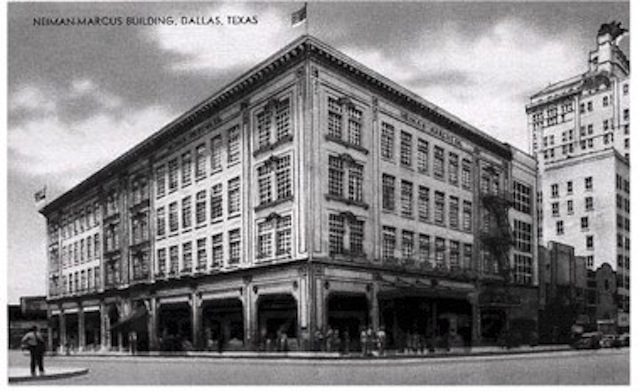
Neiman Marcus building from a postcard circa 1920

The Neiman Marcus store, which opened in Dallas Texas in 1907, was founded on a revolutionary idea—that ready-to-wear clothing for women could be as well made as couture garments. At the start of the twentieth century, women who had the means to do so bought custom made clothing. The three founders—Herbert Marcus, Albert Neiman, and Carrie Marcus Neiman (wife of Albert, sister of Herbert) sought to change those patterns of consumption.

It was Carrie and her colleague Moira Cullen who did the most to make the Neiman Marcus experiment a success. They were the buyers for the store; when they didn’t find merchandise that met their high standards, they had it made. As Stanley Marcus wrote in his memoir, Minding the Store, “They were creators of a style, a Neiman-Marcus style, which they accomplished by fabric substitution, ‘always for the better’; by the replacement of garish buttons, pins, and belt buckles with simpler ornamentation; by insisting on handsewn linings, deeper hems, and subtle colors.”(62)

Carrie Marcus Neiman, from Stanley Marcus Minding the Store

At work Carrie Neiman wore a kind of uniform, a black outfit with pearls and two gold bracelets on one wrist. You can see the basics here in this 1948 photo, taken when she was around sixty-five. Her clothes outside of work must have sometimes been more colorful. After she died her family donated 200 items from her closet, which became the basis of the some 200 became the basis for the Texas Fashion Collection at the University of North Texas. You can browse the collection on line. It has many a dark dress, but also a burnt orange Chanel suit and a metallic green dress and coat combination by Bonnie Cashin. How fitting that she bought not only from Parisian designers, but also from Americans known for their outstanding ready to wear clothes. She had paved the way for them.

Original post on American Age Fashion.

You may also like in Texas History:

Confederados: The Texans of Brazil

“The Battle of Bandera Pass and the Making of Lone Star Legend”

A Texas Ranger and the Letter of the Law

“The Die is Cast”: Early Texans Face the Comanches

Standard Oil writes a “history” of the old south

Stephen F. Austin visits a New Orleans bookstore


bugburnt


The views and opinions expressed in this article or video are those of the individual author(s) or presenter(s) and do not necessarily reflect the policy or views of the editors at Not Even Past, the UT Department of History, the University of Texas at Austin, or the UT System Board of Regents. Not Even Past is an online public history magazine rather than a peer-reviewed academic journal. While we make efforts to ensure that factual information in articles was obtained from reliable sources, Not Even Past is not responsible for any errors or omissions.
Reforming Prisons in Early Twentieth-century Texas

By Nakia Parker

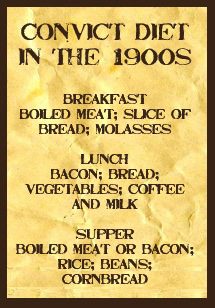
Convict diet 1900

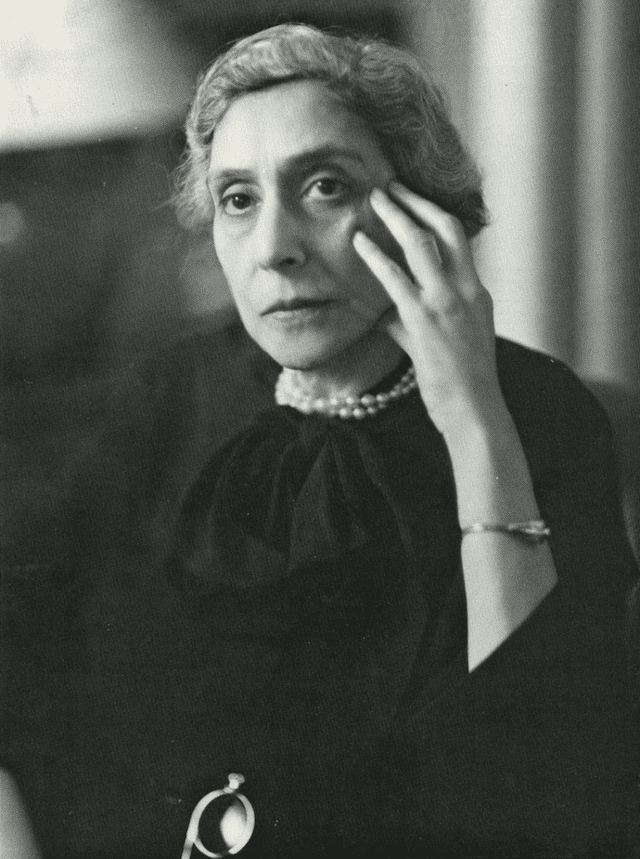
Elizabeth L. Ring was a prominent public servant and social reformer in early twentieth-century Texas. During her marriage to Henry Franklin Ring, an attorney, Elizabeth became involved in campaigning for state funding for libraries, advocating for more educational and political opportunities for women, and spearheading efforts to enact laws that protected the rights of working women and children (such as minimum wage legislation). Yet, Ring left her most indelible mark on the prison reform movement in her home state. She tirelessly worked to better conditions in Texas prisons during the Progressive Era, and the Texas Committee on Prisons and Prison Labor formed under her watch. A document found among her papers at the Briscoe Center for American History shows us something about how a progressive activists thought about prison reform at that time. This is a questionnaire from the Psychology Department of Western State Penitentiary in Pennsylvania for the wives of incoming prisoners that was related to her research on prison conditions.

Western State Pen Questionnaire

The questionnaire probes every crevice of a prisoner’s marital and familial relationships, posing questions on the state of the marriage before the husband’s incarceration, his work, personal and religious habits, his family history (including reputation in the community and the past criminal acts of siblings), as well as determining the extent of the wife’s personal knowledge of her husband’s crime. Even the wife’s activities are put under a microscopic lens, as evidenced by the questions “How are the children supported now? If you support them, how do you do it?” Indeed, to call the application intrusive seems a gross understatement. Yet, by examining the document in the context of American prison reform in the Progressive Era, the purpose of the questioning can be understood. In particular, prisons in the northern part of the United States, such as Western Penitentiary, experimented with programs that focused on the “reforming” of criminals through the use of individualized educational, medical, and psychiatric treatment. Thus, it appears that the prison psychology department utilized this invasive line of questioning in an attempt to explain motivations or reasons behind criminal behavior by conducting a thorough investigation of the prisoner’s background.

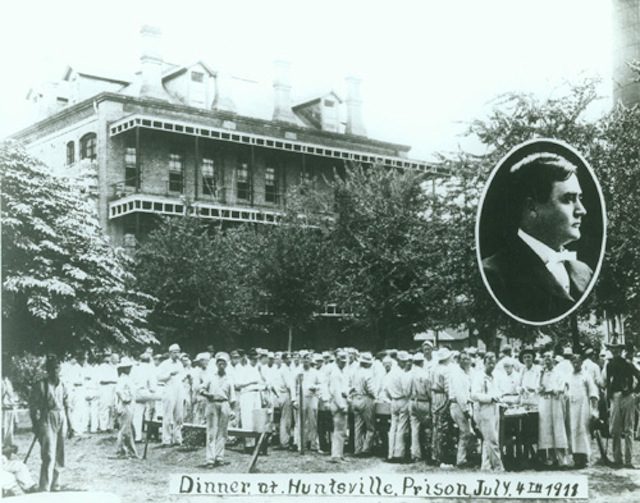
Prisoners assemble for the visit of Governor Colquitt, July 4, 1911.
Prisoners assemble for the visit of Governor Colquitt at Huntsville Prison, July 4, 1911.

It is harder to ascertain how Elizabeth Ring used this particular questionnaire for her research. Was there something unique about the treatment programs of this prison that led Ring to believe this form could prove useful in pushing for penal reform in Texas? In addition, the reader has no way of knowing whether this paper served as the standard application for the wives of the incarcerated. Were there separate questionnaires for whites and non-whites? Or for native-born individuals and immigrants? More research would be necessary to answer these questions, but anyone interested in the Progressive Era, reform movements, prison history, or women’s history would doubtless find this an intriguing source.

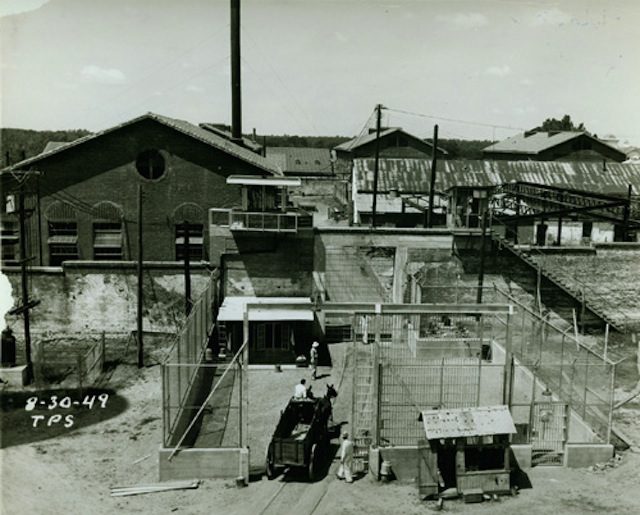
View of the yard at the Texas State Prison in Huntsville, 1949


You may also like in Texas History:

Confederados: The Texans of Brazil

“The Battle of Bandera Pass and the Making of Lone Star Legend”

A Texas Ranger and the Letter of the Law

“The Die is Cast”: Early Texans Face the Comanches

Standard Oil writes a “history” of the old south

Stephen F. Austin visits a New Orleans bookstore

All images courtesy of the Texas State Library and Archives Commission’s exhibit ‘Fear, Force, and Leather: The Texas Prison’s System’s First Hundred Years, 1848-1948’


The views and opinions expressed in this article or video are those of the individual author(s) or presenter(s) and do not necessarily reflect the policy or views of the editors at Not Even Past, the UT Department of History, the University of Texas at Austin, or the UT System Board of Regents. Not Even Past is an online public history magazine rather than a peer-reviewed academic journal. While we make efforts to ensure that factual information in articles was obtained from reliable sources, Not Even Past is not responsible for any errors or omissions.
« Previous Page
Next Page »

Recent Posts

  • Meg Lauren’s Songs from the Archive
  • Curating History: Dr Pepper, Preservation, and Public Trust
  • The Brands of Garrison Hall at its Centennial
  • The Battles of the Alamo and the Myth of Southern Exceptionalism
  • Primary Source: Magic, Metal, and Medicine in Leonhard Thurneysser’s Paracelsus
NOT EVEN PAST is produced by

The Department of History

The University of Texas at Austin

We are supported by the College of Liberal Arts
And our Readers

Donate
Contact

All content © 2010-present NOT EVEN PAST and the authors, unless otherwise noted

Sign up to receive our MONTHLY NEWSLETTER

  • New
  • Features
  • Reviews
  • Texas
  • Teaching
  • Digital
  • Watch & Listen
  • Authors
  • About