• Features
  • Reviews
  • Teaching
  • Watch & Listen
  • About

The past is never dead. It's not even past

Not Even Past

Tapancos and Tradition: Remembering the Dead in Northwestern Mexico

Banner for Tapancos and tradition

When people outside of Mexico think of Día de Muertos, they often imagine something very specific: altars with multiple levels, covered in bright orange cempasúchil flowers, decorated sugar skulls, candles, and photos of the departed. It’s a beautiful image—one made globally familiar by films like Disney–Pixar’s Coco and even the opening sequence of the James Bond movie Spectre. These images have turned Día de Muertos into a global symbol of “Mexicanness,” blending heartfelt remembrance with cinematic spectacle. But they also tell only part of the story. Mexico is a vast and diverse country, and its ways of honoring the dead vary dramatically from one region to another.

There’s a common saying that “in the north, culture ends and the carne asada begins.” It’s usually meant as a joke, but it reflects how many people conceive of northern Mexico as less culturally developed when compared to the Indigenous and colonial legacies of the center and south. But that couldn’t be further from the truth. The north, and particularly the Yaqui and Mayo territories in Sonora and Sinaloa, hold some of the most fascinating and enduring traditions, especially concerning the remembering of the dead.

The Yaqui (or Yoeme) and Mayo (or Yoreme) peoples are two of the largest Indigenous groups in northwestern Mexico, living mainly along the Río Yaqui and Río Mayo valleys. Though distinct, they share close linguistic and cultural ties. For centuries, both groups have endured waves of encroachment—from colonial missions to persecution and extermination campaigns, and modern struggles over land and water rights.

Among the Yaqui and Mayo peoples, Día de Muertos has deep roots that blend Catholicism with Indigenous spiritual elements. The Jesuits, who arrived in the seventeenth century, left a long-lasting missionary legacy in the region. They introduced the Catholic calendar of saints, masses for the dead, and prayers for souls in purgatory—but these ideas intertwined with preexisting Indigenous understandings of the spirit world. The result is a complex, layered ritual cycle that lasts several weeks, involving tapancos (wooden altars built high above the ground), offerings of food, candles, and water, and collective gatherings and prayers in homes and cemeteries.

Cemetery

Yaqui cemetery. Source: author

When a Yaqui or Mayo person dies, a long spiritual process begins. Family members choose padrinos––often translated as “godparents,” though the term refers more broadly to ritual kin who sponsor key life events–– to help organize the funeral and the novenario—nine days of prayer that follow the burial. A year later, they hold the luto pajko, a ceremony marking the soul’s final passage into the Sewa Ania, or “Flower World.” During the year between death and the luto pajko, the spirit is believed to remain close to the living, not yet fully at rest. If Día de Muertos arrives before the luto pajko has taken place, the recently deceased are not yet included in the offerings, as inviting them too soon could prevent their soul from completing its journey.

For the Yaqui, the ritual cycle of the dead begins on October 1, when it is believed that souls begin their return to the world of the living. Members of the cofradía—local religious leaders who guide ceremonies in the absence of priests—build an altar draped in black cloth with a human skull placed on top. They then carry it from house to house, praying in what is called “the procession of the priest’s head”. This solemn procession happens every Monday throughout the month until the cycle concludes on November 30th.

Among the Mayo, the cycle begins a bit later, on October 24, when families start building their tapancos. A tapanco is simpler than the elaborate altars most may imagine—it’s placed outside on the patio and built high above the ground, about 1.5 to 2 meters tall. Four posts of mesquite wood support a mat or plank where offerings are placed. The four posts symbolize the padrinos who once carried the coffin, while the height of the altar reflects the belief that souls descend from above to receive their offerings.

This elevated structure echoes pre-Hispanic funerary practices, when both the Yaqui and Mayo bid farewell to their dead on raised platforms before eventual cremation. When the Jesuit missionaries arrived, they prohibited cremation, but Indigenous communities found a compromise: they kept the vertical structure and the symbolic presence of fire, now represented by candles burning beneath the tapanco. Food, water, and flowers are placed on top. However, unlike the popular imagery seen in films like Coco, photographs of the deceased are rarely used— mainly because photos have historically been difficult to obtain.

Tapanco or yaqui/mayo altar

Tapanco Yaqui in Torim. Source: author

On November 2, Día de Muertos, the cofradía makes its rounds from home to home, praying and reciting aloud the names written in each libro de las ánimas, a sacred family book kept by Yaqui and Mayo households, that records the names of deceased relatives. When the prayers conclude, they receive the offerings as a token of gratitude for their work throughout the month. The tapanco remains standing for several weeks afterward, until November 30, when it is believed that the souls return once more to the Sewa Ania. 

These are the only Indigenous groups in northwestern Mexico with such deep traditions surrounding Día de Muertos. This distinctiveness can be explained, in part, by the Jesuit presence in the Yaqui and Mayo valleys, where evangelization took root more firmly than among other Indigenous communities of the north. Even for mestizo families in northwestern Mexico, for much of the twentieth century, it was rare to celebrate Día de Muertos in this way. My parents, for example, grew up more with Halloween than with altars. Living close to the U.S.–Mexico border meant that American culture seeped in easily—pumpkins, trick-or-treating, and dressing up often replaced alebrijes and cempasúchil. Most families would go to mass or visit the cemetery, but altars were rare.

This started to change around the turn of the century, when the Mexican Education System began promoting school projects in which children built altars modeled after those from central Mexico. Suddenly, Día de Muertos aesthetics appeared in classrooms, civic plazas, and even shopping malls. It was part of a broader national effort to “standardize” cultural practices and promote a shared sense of Mexicanness. 

These new practices didn’t erase local customs in indigenous territory, but they did reshape how younger generations of mestizos in the north think about Día de Muertos. My generation grew up making altars at school, learning the symbolism of each level, and memorizing the meaning of every element—from salt and water to papel picado. In a sense, we learned a nationalized version of the celebration, one that connects us to a broader Mexican identity but sometimes distances us from our own regional histories.

Mexican day of the dead altar

“Ofrenda del Norte” (Northern Offering). Source: Wikimedia Commons

The projects of the Mexican education system did not affect the Yaqui and Mayo, largely because these communities tend to be reserved and resistant to outside cultural interventions, and because the policies were primarily aimed at mestizo populations to counter U.S. cultural influences rather than reshape Indigenous traditions. However, there has been little reflection or critique from the northern mestizo population itself, despite their pride in regional identity. 

In places like the Yaqui and Mayo towns along the Río Yaqui and Río Mayo valleys, older traditions persist. There, the ceremonies remain community-centered, intimate, and deeply spiritual. The tapancos are still built. The souls of the dead are still awaited and welcomed home. And these practices remind us that the north has always been a region of cultural richness, adaptation, and resilience.

So perhaps there is culturally more to Northern Mexico than carne asada. The north is not a cultural void—it’s a crossroads. It’s where Indigenous, missionary, and transborder influences coexist, sometimes uneasily, sometimes harmoniously. Día de Muertos in the north may not always look like the ones in Oaxaca or Michoacán, but it carries the same essence: remembering, honoring, and reaffirming the ties that bind the living and the dead.

Raquel Torua Padilla is a doctoral student in the Department of History at the University of Texas at Austin. She holds a B.A. in History from the Universidad de Sonora and is currently a CONTEX Fellow. Her research focuses on the history of the Yaqui people in the 19th and 20th centuries.


The views and opinions expressed in this article or video are those of the individual author(s) or presenter(s) and do not necessarily reflect the policy or views of the editors at Not Even Past, the UT Department of History, the University of Texas at Austin, or the UT System Board of Regents. Not Even Past is an online public history magazine rather than a peer-reviewed academic journal. While we make efforts to ensure that factual information in articles was obtained from reliable sources, Not Even Past is not responsible for any errors or omissions.
Filed Under: Features, Latin America and the Caribbean Tagged With: Day of the Dead, Indigenous People

“How Did We Get Here” Panel 

Banner for how did we get here? panel

On Wednesday, September 10th, I moderated a webinar with notable immigration historians who situated the current presidential administration’s policing, detainment, and deportations of marginalized immigrants in conversation with the past. 

  “How Did We Get Here? U.S. Immigration Historians Respond” brought together leading scholars of U.S. immigration history to reflect on the current environment of fear among immigrant communities in the United States. Panelists traced the evolution of immigration law and enforcement from the late 19th century to the present, highlighting the structural forces that have shaped the experiences of economic migrants, political and environmental refugees, and asylum seekers. As one presenter, Dr. Kang, asserted, “We have always been here.” Immigrant communities–both authorized and unauthorized–have always lived under constant fear that a change in administration and policy could upend their lives.

In the week leading up to the webinar, three significant events underscored the intensifying pressures on immigrant communities. On September 4th, 2025, Immigration and Customs Enforcement (ICE) carried out the largest immigration raid in U.S. history at the Hyundai electric battery plant in Ellabell, Georgia, arresting 475 people–most of them South Korean nationals. Many reportedly had legal permission to work in the United States, yet ICE operations separated families, and children returned from school to find their parents had disappeared.[1] The next day, the Justice Department’s Board of Immigration Appeals ruled that immigration judges no longer had authority to grant release on bond.[2] This decision made detention mandatory for immigrants awaiting hearings, vastly expanding incarceration in already overcrowded detention centers and funneling even more public money to private prison companies.

Days later, on September 8th, the U.S. Supreme Court overturned a federal ruling that had barred roving immigration stops in Los Angeles. In a 6-3 decision, the Court held that race, ethnicity, or speaking Spanish could be considered “relevant factors” in such stops, alongside factors such as where people work or congregate.[3] The ruling appeared to sanction racial profiling, granting ICE wide discretion to detain individuals based on appearance, language, and perceived class. In her dissent, Supreme Court Justice Sonia Sotomayor warned that this decision entrenches a system in which “the Government can seize anyone who looks Latino, speaks Spanish, and appears to work a low-wage job.”[4]

The webinar featured Professors Maddalena Marinari (Gustavus Adolphus College; President of the Immigration and Ethnic History Society); Deborah Kang (University of Virginia); Sergio González (Marquette University); and Carl Lindskoog (Raritan Valley Community College) to speak to the UT Austin community. Each scholar spoke from their own expertise, such as 20th-century immigration policy (Marinari), the growth of immigrant policing (Kang), the rise of detention prisons (Lindskoog), and the resistance efforts by immigrant communities and their citizen allies in what is known as the U.S. Central American Sanctuary Movements (González).

The event was co-hosted by the Frontera Scholars Collective, the Department of History, the Department of American Studies, the Center for Asian American Studies, and the Latino Studies program. The event was also organized in collaboration with Dr. Cortez’s course, “Immigration and Ethnicity.”


Jonathan Cortez, Ph.D. is currently an Assistant Professor of History at The University of Texas at Austin. Their current manuscript, A Nation of Immigration Camps, details the history of vernacular and federally funded immigration camps along the U.S.-Mexico border from the late 19th century to the late 20thcentury. 


[1] Lydia DePillis and Hamed Aleaziz,”Georgia ICE Raid Netted Workers With Short-Term Businness Visas,” New York Times, September 12, 2025. https://www.nytimes.com/2025/09/12/business/economy/hyundai-raid-worker-visas.html#:~:text=Hyundai%20ICE%20Raid%20Detained%20Workers,raid%2Dworker%2Dvisas.html

[2] Josh Gerstein and Kyle Cheney, “Immigration appeals court expands mandatory detention for millions,” Politico, September 5, 2025. 

[3] Lawrence Hurley, “Supreme Court lifts limits on roving immigration patrols in Los Angeles area,” NBC News, September 8, 2025. https://www.nbcnews.com/politics/supreme-court/supreme-court-immigration-stops-los-angeles-rcna223845

[4] American Immigration Council, “How the Supreme Court’s Latest Decision Clears the Way for Racial Profiling During Immigration Raids,” September 9, 2025. https://www.americanimmigrationcouncil.org/blog/supreme-courts-decision-racial-profiling-immigration-raids/


The views and opinions expressed in this article or video are those of the individual author(s) or presenter(s) and do not necessarily reflect the policy or views of the editors at Not Even Past, the UT Department of History, the University of Texas at Austin, or the UT System Board of Regents. Not Even Past is an online public history magazine rather than a peer-reviewed academic journal. While we make efforts to ensure that factual information in articles was obtained from reliable sources, Not Even Past is not responsible for any errors or omissions.

Filed Under: Features, Immigration, Watch & Listen Tagged With: Borderlands, immigration, US History

Hidden Children and the Complexities of Jewish Identity  

banner for hidden children

My grandmother, Ewa Janik, was born in late August 1942 to a Jewish family in the heart of Nazi-occupied Poland. As the Gestapo approached her family’s ghetto, her parents arranged for her to be smuggled away by members of a local underground organization opposing Nazi rule. From two weeks old, my grandmother was raised by a Catholic adoptive family, and she remained unaware of her true origins until the age of sixteen, when her surviving relatives hired a lawyer to contact her. Over the following decades, she reunited with her original family, eventually moving to the California Bay Area to live near her birth mother, who had escaped there after the war. 

Ewa Janik’s story fits into the general category defined by Holocaust researchers as Hidden Children. At the onset of World War II, approximately 1.7 million Jewish children under the age of 16 were living in Europe, and would become major targets of Hitler’s genocidal agenda.[1] As anti-Jewish policies were increasingly enforced in Nazi-occupied Europe, these children and their families adopted various strategies to evade German forces, and a significant portion survived by living in hiding. Those who were young or fair enough to blend in with the wider European society were able to hide “in plain sight,” sheltered by Christian families or religious organizations. After the war, these children often found themselves caught between two worlds, with conflicting cultural and familial ties to both their adopted Christian upbringings and their Jewish family heritage.   

Janik with her adoptive mother Zosia

Janik with her adoptive mother Zosia, ca. 1945. Source: Zofia Graham

My grandmother has recorded her life story in several oral history interviews, both through the Bay Area Holocaust Oral History Project in 1997 and in recent interviews with me. A major tool used by historians and memorial organizations, oral testimonies can help convey the personal and emotional experiences of Holocaust survivors in ways that written history often cannot. Analyzing individual stories provides insight into how survivors respond to their circumstances and how these effects can persist throughout their lifetimes. The topic of personal identity is a major theme throughout the testimonies of former Hidden Children, such as my grandmother, revealing the psychological impact of their shared childhood experiences on future self-conception.   

My grandmother’s interviews reveal complex and changing attitudes toward her personal and cultural identities throughout her lifetime. Upon first learning of her history and original family as an adolescent, she describes feeling intense fear and instability, stating in her account of that time, “I always [felt] like I don’t have a ground under my feet. Something will happen and everything will collapse.” Due to the pain of this revelation, she expressed that she wished both sets of parents had taken greater pains to make sure she would not find out her history. These feelings reflect many Hidden Children’s experiences of alienation due to the fracturing of their childhood identities, as demonstrated by historical and psychological research on the subject. For example, a 2005 study by psychologists Marianne Amir and Rachel Lev-Wiesel revealed that child Holocaust survivors who lost their prewar identities faced significantly higher rates of depression and anxiety compared to those who knew their birth families.  

After discovering her Jewish identity, my grandmother faced additional difficulties due to the resistance from her adoptive parents. Even after the secret was revealed, her parents refused to acknowledge or speak about the topic, viewing such questions as an affront to the effort they put into raising her. As she began communicating with her birth relatives, she had to proceed in secret, and she shared the great pain this brought her, stating, “I felt like both my mothers would cut me in half.” Even as an adult in 1997, she expressed shame for hurting her adoptive family by moving to the United States, stating that “no matter what I do and where I am, I’m here and my mother in Poland is hurting.”   

Cultural and religious identifications presented another source of strain. Unlike many Hidden Children, my grandmother was not raised in an antisemitic environment. Still, she had little knowledge of Judaism as a child, and what little she knew was influenced by the society around her. In our recent interview, she described an instance from her childhood when another child called her Jewish in a derogatory way, and she didn’t understand what he meant or why he was saying it. Once she learned of her true heritage, she had to become newly acquainted with Judaism as a member of the community, and with new traditions and practices which were completely foreign to her.   

Janik with her biological mother Irene

Janik with her biological mother Irene, 1978. Source: Zofia Graham

These cultural differences brought on struggles when trying to reconnect with her biological family. She describes the difficulty of her first visits to the United States, when she finally met with her American-born siblings, but had no language with which to communicate or the ability to understand their vastly different life perspectives. Such experiences of separation led her to speak negatively about her divided identities in her 1997 interview, stating, “What else is painful, that I belong to two cultures, and I don’t belong anywhere really.”   

However, despite these challenges, my grandmother has more recently emphasized the positive aspects of her mixed cultural identities. She has become more comfortable claiming her Jewish identity along with her Polish one, largely through the help of her American Jewish family, who she has always described as supportive and accepting of both their cultural differences and commonalities. She celebrated her ability to traverse and learn from multiple cultural and religious communities, reflecting that this perspective has allowed her to see the value in multiple traditions and beliefs without becoming attached to dogma. These constructive takeaways are also reflected in the academic literature. While much research studying Hidden Children has rightly focused on their trauma and pain, there is also significant evidence for the resilience and success of this group. Psychiatrist and researcher Robert Krell describes the “enduring mystery” of how child Holocaust survivors have been able to find general success as adults despite their immeasurable trauma in early development.[2] Perhaps the influence of distinct cultures and life perspectives in the development of Hidden Children has played a part in their lasting psychological fortitude.  

Janik (third from left) with her siblings

Janik (third from left) with her siblings, 2024. Source: Zofia Graham

This past summer, my entire extended family returned to Poland, where my grandmother led us through sites from our family’s history: her birth parents’ apartment in the Jewish Ghetto, the work camp where her mother was held during the war, and the memorial site where Nazi soldiers shot her biological father at the start of the occupation. These recollections brought back pain and trauma for all involved, but my grandmother reflected with surprise that her loved ones’ care and interest in these stories helped to ease her mental toil. For someone who felt alone for much of her life, the ability to share the burden of the past with all of her diverse family members has been an essential element in healing.  


Zofia Graham is a 4th year undergraduate student at UT Austin. She is majoring in Linguistics and Plan II Honors, with a minor in Law, Justice, and Society. Her research mainly focuses on Latin American linguistics and language policy, but she has enjoyed diving more into her family history through this project.


[1] Greenfeld, Howard. The Hidden Children. New York: Ticknor & Fields, 1993, p. 2.  

[2] Glassner, Martin Ira, Robert Krell, and Holocaust Child Survivors of Connecticut. And Life Is Changed Forever: Holocaust Childhoods Remembered. Edited by Martin Ira Glassner and Robert Krell ; Detroit: Wayne State University Press, 2006, p. 8.  

Additional bibliography:

Amir, Marianne, and Rachel Lev-Wiesel. “Does Everyone Have a Name? Psychological Distress and Quality of Life Among Child Holocaust Survivors with Lost Identity.” Journal of Traumatic Stress 14, no. 4 (October 2001): 859–69.https://doi.org/10.1023/A:1013010709789.   

Janik, Ewa. Interview by Author. April 3, 2025.   

Janik, Ewa. “Oral history interview with Ewa Janik.” By Liz and Peter Ryan. The Bay Area Holocaust  

Oral History Project. March 23, 1997. https://collections.ushmm.org/search/catalog/irn508375  Libicki, Henry. Remembering my Parents. Self-published. 2010.  


The views and opinions expressed in this article or video are those of the individual author(s) or presenter(s) and do not necessarily reflect the policy or views of the editors at Not Even Past, the UT Department of History, the University of Texas at Austin, or the UT System Board of Regents. Not Even Past is an online public history magazine rather than a peer-reviewed academic journal. While we make efforts to ensure that factual information in articles was obtained from reliable sources, Not Even Past is not responsible for any errors or omissions.

Filed Under: 1900s, 2000s, Europe, Features, United States, War Tagged With: Holocaust, Judaism, United States, World War II

Long Before the Field: Community, Memory, and the Making of Public History

Banner for Long Before the Field: Community, Memory, and the Making of Public History

This article is part of the series: History beyond Academia

The term “public history” entered my vocabulary only after I moved to the United States, where it designates a well-defined professional field. In Latin America, by contrast, similar practices have long existed without requiring a defined institutional/formal designation. Communities have always engaged in the making and sharing of history through oral traditions, local museums, memory collectives, and neighborhood archives, public talks, among so many others. People have narrated their pasts, not necessarily within academic frameworks, but as acts of survival, resistance, and belonging. These longstanding traditions invite reflection on when and why the need emerged to name such practices “public history”, and what it means when collective forms of remembrance become institutionalized as fields or disciplines.

Public history, as a professionalized field, took shape in the 1970s in English-speaking countries, particularly the United States, as a means to bridge academic research and broader social engagement. As James Gardner and Paula Hamilton note, it encompasses both university-based training and work across museums, heritage sites, government agencies, and digital initiatives. Early definitions emphasized historical practice conducted “outside the ivory tower” for public audiences, but the field has since diversified to include participatory, activist, and civic-oriented approaches. Its growth has been shaped by national contexts, memory politics, and the expansion of heritage industries—each underscoring the social, political, and ethical stakes of historical work in public life.[1]

This institutionalization of public history resonates with ideas articulated much earlier by Carl Becker in his 1931 address to the American Historical Association, Everyman His Own Historian. Becker argued that all humans interpret the past through memory and imagination, and that historical understanding is not the exclusive domain of professionals but part of a shared human effort to make sense of experience.[2]  Recognizing this broader agency calls for humility rather than gatekeeping—a lesson that resonates with practices in Mexico, where the work of cronistas—local historians and chroniclers devoted to preserving the histories of towns and municipalities—has long been central to civic and cultural life.

An aerial view of Guelatao de Juarez, Oaxaca and its surroundings

An aerial view of Guelatao de Juarez, Oaxaca. Source: Wikimedia Commons

Within Latin America, scholars and historians—especially those working in public institutions—often see their research as part of a reciprocal relationship with the communities that ultimately fund and sustain their work. This reciprocation, and therefore responsibility, reflects a broader understanding that history is not produced solely by, and for, academic peers but also for the publics who inhabit and inherit its narratives. Such accountability offers an important lesson for public history internationally: that historical practice flourishes when it remains responsive to the people and places it seeks to represent.

This ethos is not unique to Latin America. Across the world, long before “public history” entered academic vocabulary, communities across the world were already generating their own forms of historical knowledge. The telling of history was never confined to universities or formal institutions. It lived in plazas, churches, community centers, and homes; it was sustained through storytelling, ritual, and collective memory. These practices were often carried forward by teachers, activists, Indigenous elders, and neighborhood leaders who understood history as a means of continuity, belonging, and survival.

Even within the United States, some of the earliest public history initiatives originated outside academia. African American museums such as the DuSable Black History Museum in Chicago, founded by Margaret Burroughs in 1961, or the African American Museum in Philadelphia, grew directly out of the civil rights movement and the effort to preserve histories neglected by mainstream institutions. These projects—grassroots, activist, and often underfunded—demonstrate that engagement with the past has long served as a form of political work as much as cultural expression. In many ways, it is the later institutionalization of public history—its adoption and formalization within universities and professional associations—that represents the anomaly. Yet this framework has been embraced, sometimes uncritically, in countries where community-based and independent initiatives had long flourished, often to the detriment of those same grassroots efforts and the pluralism they sustained.

The first home of the DuSable Museum of African American History was located in this house, built for Chicago contractor John W. Griffiths in 1892 and purchased by Charles and Margaret Burroughs in 1959, who opened part of their home for the public museum

The DuSable Museum of African American History began in this 1892 house, purchased by Charles and Margaret Burroughs in 1959, who opened part of their home to the public as a museum. Source: Wikimedia Commons

When the field of public history was formalized in the 1970s within U.S. universities, it offered institutional recognition, professional pathways, and a common language for collaboration. These developments were invaluable for advocacy and training. Yet they should not obscure the longer, global genealogies of community-based historical practice. The move to define and credential public history can, unintentionally, overshadow the traditions that preceded it—traditions that continue to challenge academic hierarchies and broaden understandings of who can produce and interpret history. Recognizing these antecedents reminds us that public history, at its best, is not an invention of the academy but an extension of longstanding efforts to remember, interpret, and claim the past.

In recent years, universities and cultural institutions have increasingly embraced public-facing projects—exhibitions, digital archives, oral history collections, and outreach programs designed to engage wider audiences. These initiatives have expanded access to historical knowledge and reinforced the social relevance of scholarship. Yet they often remain shaped by institutional logics: funding cycles, curatorial frameworks, and professional protocols that determine how stories are told and what counts as legitimate evidence. Their tone is often careful and curated, designed to invite participation while maintaining institutional authority.

Community-based projects, in contrast, frequently emerge from lived experience and collective need. They are sustained by urgency rather than funding, by care rather than formal mandate. Small local museums, cronistas municipales, and memory collectives exemplify such work. Their exhibitions may be improvised and their archives incomplete, yet they possess an immediacy and intimacy that make them vital spaces of historical continuity. They assert the right to self-representation and challenge the notion that only institutions can authorize history. These practices are not merely nostalgic; they are acts of preservation, repair, and political presence.

Our Famous people display at the Northeast Texas Rural Heritage Museum

Northeast Texas Rural Heritage Museum. Source: Wikimedia Commons

Acknowledging these distinctions is not about opposing the academic and the communal, but about recognizing that they operate through different epistemologies and responsibilities. Academic public history often interprets the past for the public; community-based projects tend to interpret it with the public—or, more precisely, as the public. This difference shapes not only the narratives we construct but also the relationships of trust and authority embedded within them.

The term public history has opened many doors. It has enabled scholars to frame their work through collaboration, to reach broader audiences, and to affirm the social value of history within institutions that often privilege theory over practice. The label provides visibility, resources, and a shared vocabulary for those working at the intersection of history, education, and engagement. These are invaluable contributions, and the growing community of public historians has helped redefine what it means to be accountable to the public.

At the same time, it is worth remembering that the impulse behind public history—the desire to connect the past with everyday life—is not new. Long before it became a field, people around the world were already practicing it: telling stories, preserving memories, teaching, and caring for their histories in ways that were collective and deeply local. To name these practices public history is not to claim them as new inventions, but to acknowledge and learn from those who have sustained them all along.

If public history offers one enduring lesson, it is humility. Historians do not possess the past; we share it with everyone who remembers, narrates, and imagines. Our task is not only to speak, but to listen—to build spaces where many histories can coexist. Whatever name we give it, public history is ultimately about relationships rather than audiences, collaboration rather than outreach. Perhaps the most meaningful contribution scholars can make is to remember that we are joining a much older conversation. Public history did not begin with us; it began with the understanding that memory itself is a form of care. Our responsibility is to help sustain that care into the future.


[1] Gardner, James B., and Paula Hamilton, editors. The Oxford Handbook of Public History. Oxford University Press, 2017.

[2] Becker, Carl. “Everyman His Own Historian”, American Historical Review 37, no. 2, p. 221–36: https://www.historians.org/presidential-address/carl-l-becker/


Raquel Torua Padilla is a doctoral student in the Department of History at the University of Texas at Austin. She holds a B.A. in History from the Universidad de Sonora and is currently a CONTEX Fellow. Her research focuses on the history of the Yaqui people in the 19th and 20th centuries.


The views and opinions expressed in this article or video are those of the individual author(s) or presenter(s) and do not necessarily reflect the policy or views of the editors at Not Even Past, the UT Department of History, the University of Texas at Austin, or the UT System Board of Regents. Not Even Past is an online public history magazine rather than a peer-reviewed academic journal. While we make efforts to ensure that factual information in articles was obtained from reliable sources, Not Even Past is not responsible for any errors or omissions.

Filed Under: Features, History Beyond Academia, Memory, Museums Tagged With: Latin America, Museums, Public History, US History

History Beyond Academia: Series Announcement

Banner for history beyond academia.
Features a collage image with a sculpture of Herodotus head on a National Park ranger body, with a microphone beside it and a painted field in the background.

We are excited to announce the upcoming History Beyond Academia series, curated by Associate Editor Raquel Torua Padilla. This series explores how history reaches people outside universities, showing how it is transmitted, shared, and sustained through public projects, community initiatives, and oral traditions.

Contributors will reflect on a range of projects and practices that reveal the impact of engaging with history in non-academic settings. Taken together, these essays highlight the creative and varied ways history connects with communities and shapes collective memory.

History Beyond Academia presents history as a living practice that moves beyond classrooms and archives into neighborhoods, stories, and daily life. It invites readers to consider how history is shared, who carries it forward, and why it continues to matter.

Watch this space for new feature articles coming soon.

Raquel Torua Padilla is a doctoral student in the Department of History at the University of Texas at Austin. She holds a B.A. in History from the Universidad de Sonora and is currently a CONTEX Fellow. Her research focuses on the history of the Yaqui people in the 19th and 20th centuries.

Filed Under: History Beyond Academia Tagged With: Digital Humanities, history, Public History

Review of Surgery and Salvation. The Roots of Reproductive Injustice in Mexico 1770-1940 (2023).

Banner for Surgery and Salvation (book review)

In Surgery and Salvation, O’Brien traces the history of reproductive injustice in Mexico, taking a longue durée approach extending from the late colonial period through post-revolutionary state formation. She focuses on reproductive surgeries and how women’s bodies—particularly those of poor and Indigenous women—became laboratories for medical experimentation, religious morality, and eugenic population control. 

Much historical scholarship on reproductive control focuses on eugenics, a pseudo-scientific movement that flourished in post-revolutionary Mexico in the 1930s. It sought to “improve” the population for nation-building purposes by promoting the reproduction of the “fittest.” During this time, medical authority over the body was already well consolidated. O’Brien broadens the chronological scope and focuses on periods where claims of authority over definitions of citizenship, personhood, life, and death were being contested, such as the process of secularization during the Liberal Reform of the 1850s and state-making post-Revolution (1921-1940). 

Book cover of Surgery and Salvation

Structured in five parts, the book argues that surgical technology was seen as a means for salvation in three distinct and chronological ways: saving unborn souls under the Church’s rule during the late 18th and early 19th century; saving the honor of elite unwed women during the reform in the 1850s and the Porfiriato (authoritarian military dictatorship from 1876 to 1911); and saving the nation from the reproduction of “ undesirable” citizens in the aftermath of the revolution, from 1921 to 1940. 

O’Brien shows how reproduction was stratified along lines of race and class, resulting in marginalized women disproportionately subjected to coercive reproductive practices. She traces the performance of cesarean operations on dead and dying women to salvage the soul of the fetus, ovariotomy as a medicalized solution for hysteria, and experimental ‘therapeutic’ abortions (those performed for medical reasons). She also examines hysterectomies for unwed elite women, obstetric violence, vaginal bifurcation, tubal ligation, and eugenic sterilization to manage the size and composition of the population. Notably, she challenges the prevailing notion that state-led eugenic forced sterilizations were not widespread in Mexico.

The concept of reproductive governance—the entanglement of social, economic and political structures that produce and regulate reproductive practices— serves as a framework to understand how different powerful actors across centuries tried to control and surveil reproduction. Throughout the book, she traces a throughline that links women’s bodies to modernization, development, and state-building, showing how women were cast as the bearers of the nation, their bodies tasked with producing and embodying national aspirations. Accordingly, the fetus also underwent shifting symbolic meanings, from a religious subject in the hands of the Church in the late colonial period to a biological object as seen from the eyes of secularized technocratic elites to potential citizens that would build postrevolutionary Mexico. At each stage, women’s bodies were the tools, but their needs, desires for autonomy, and sheer personhood were rendered an obstacle—something to be managed, medicalized, and intervened in service of state goals. 

San Andres hospital

Hospital de San Andrés. 1905. Source: Wikimedia Commons

 The book draws from an impressive range of sources, from ecclesiastical and mission records to  medical students’ theses and hospital records. When describing her sources, she reflects on the voices they contain and the silences they produce, critiquing the fact that most represent the perspectives of elite men. In line with feminist history and methods, she relies on creative pathways to access patients’ voices and the “resistance echoes,” as she calls them, contained in her sources. In this case, resistance materialized in complaints women submitted about medical malpractice. She approaches these stories with care, empathy, and a historical sensibility that reminds us of these people’s lives beyond being reduced to patients of these surgical interventions. Her focus on resistance, pain, grief, and the harms of scientific racism—pseudoscience used to justify racial hierarchies—prevents the reader from becoming desensitized to the injustices she describes.

Challenging the assumption that Mexico was a mere receptacle of European scientific knowledge, practice, and ideologies, the author argues that powerful local actors crafted idiosyncratic yet transnational theories, techniques, and networks, particularly around race. For instance, she traces continuities between American anti-Black medical racism and anti-Indigenous discrimination in Mexican healthcare. This racist logic was not strictly biological. Mexico’s ethnic history and categorization made for medical epistemologies that had a slippery, flexible notion of race. It drew not only on biologized difference but on more diffuse notions of hygiene, class, culture, education, and language. In this context, it was not contradictory to romanticize indigenismo—a political ideology that seeks to celebrate Indigenous legacy while assimilating Indigenous peoples into the nation-state—as a cultural heritage while mistreating Indigenous women. 

Class and its entanglements with race emerges as another powerful stratifying line in O’Brien’s narrative. The growth of ‘therapeutic’ abortion, artificial premature birth, and hysterectomies for elite unwed women in the Liberal Reform period illustrates how women’s reproductive lives and medical intervention were enmeshed with gendered notions of middle-class feminine respectability. When these elite women asked for sterilization, they were met with refusal, while poor and Indigenous women were coercively sterilized. Doctors became gatekeepers of gender and agents of the state, using their expert authority to morph the population in line with the racial and class-based desires of the nation. 

Indigenous woman walking down the street

An Indigenous woman walking in Mexico. Source: Wikimedia Commons

Surgery and Salvation’s focus on technology illuminates how surgical knowledge developed hand in hand with racist, classed, and gendered notions of women’s bodies as sites of intervention. Technology became a means to turn subjective biases into objective, quantifiable “evidence” with the help of techniques such as craniometry or pelvimetry, giving social hierarchies the veneer of science. 

O’Brien ends the book by taking us to the present day, where reproductive injustice is still a reality with a history that stretches back well over 200 years. At the same time, she highlights how contemporary feminist advocacy and long-standing activist efforts have contributed to a tremendous wave of abortion legalization throughout Latin America. This transformation is currently afoot and redefining the reproductive justice landscape in the region. 

Surgery and Salvation. The Roots of Reproductive Injustice in Mexico 1770-1940 is an outstanding book that reminds us that reproductive injustice is not a thing of the past. It shows the dangers of thinking about women’s bodies as tools for science and state-building in a history that should serve as a cautionary tale for contemporary debates about fertility decline and shifting legal landscapes around reproductive rights in Mexico, the U.S., and around the globe. 


Daniela Sánchez is a doctoral student in the Department of Sociology at The University of Texas at Austin. She is a Mellon/ACLS and Fulbright-García Robles fellow. Her research examines reproductive governance around abortion in contemporary Mexico. Before joining the department, Daniela was a consultant for UN Women-Mexico. 


The views and opinions expressed in this article or video are those of the individual author(s) or presenter(s) and do not necessarily reflect the policy or views of the editors at Not Even Past, the UT Department of History, the University of Texas at Austin, or the UT System Board of Regents. Not Even Past is an online public history magazine rather than a peer-reviewed academic journal. While we make efforts to ensure that factual information in articles was obtained from reliable sources, Not Even Past is not responsible for any errors or omissions.

Filed Under: 1400s to 1700s, 1800s, 1900s, Gender/sexuality, Latin America and the Caribbean, Race/Ethnicity, Reviews, Science/Medicine/Technology Tagged With: history of medicine, Latin America, Mexico, Women and Gender

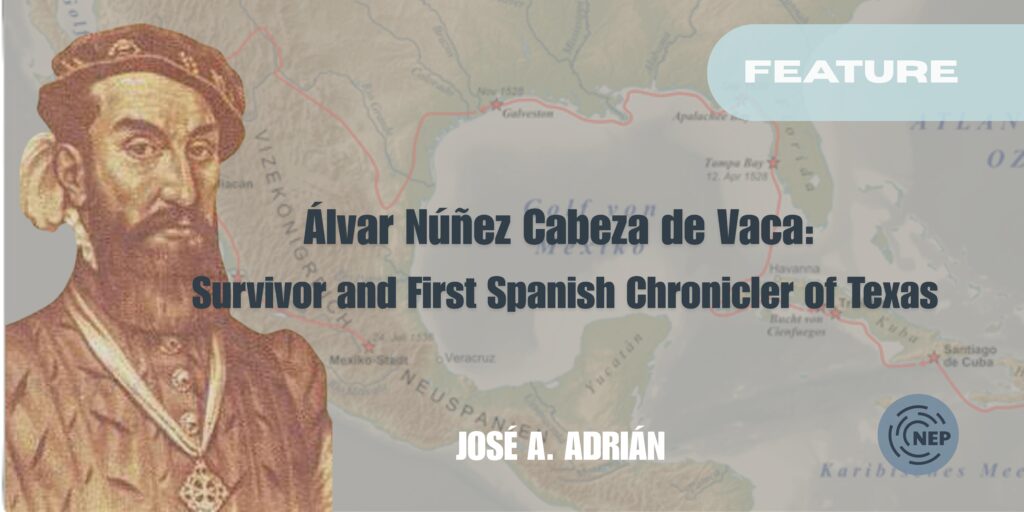
The Forgotten Spanish-Cuban Contribution to American Independence: Francisco de Saavedra and the Silver of Havana

Banner for The Forgotten Spanish-Cuban Contribution to American Independence: Francisco de Saavedra and the Silver of Havana.

When British forces surrendered at Yorktown in 1781, few would have imagined that the decisive blow had been financed not from Paris or Philadelphia, but from Havana. Behind this unexpected twist stood Francisco de Saavedra, a Spanish official whose name is absent from most American textbooks but whose actions helped change the course of the war.

Though he never set foot on the battlefield, Saavedra played a key role in securing the American victory. His contribution was strategic and financial, and it unfolded in the colonial capital of Cuba—a city that, by the late 18th century, had become the financial and military nerve center of Spain’s Caribbean empire.

The siege of Yorktown, painting

Siege of Yorktown. 1781. Source: Wikimedia Commons

An Empire Without Liquidity

By the summer of 1781, the War of American Independence was reaching its climax. The American revolutionaries, aided by France and Spain through the Bourbon Family Compact, were preparing for a final strike. General Washington and his French counterpart, the Comte de Rochambeau, were planning a coordinated assault against British General Cornwallis at Yorktown, with naval support from Admiral de Grasse.

But there was a problem: France had no money. The French state, deeply indebted and fiscally strained, could not supply the fleet in the Caribbean in time. De Grasse needed funds to sail north, transport troops, and maintain the campaign. Without immediate financing, the entire operation—and perhaps the independence movement—would collapse.

Enter Saavedra in Havana

At this critical moment, Spain’s Caribbean presence proved decisive. In June 1781, following a desperate request from Admiral de Grasse, the Spanish authorities in Havana organized an extraordinary fundraising effort. In just a few days, half a million silver pesos were collected from merchants, landowners, and colonial officials—a sum that allowed the French fleet to sail north and support the allied siege of Yorktown.

Although Francisco de Saavedra was not yet in Havana during this crucial episode, his name would soon become central in the broader logistical and strategic coordination that followed. Saavedra had earlier been captured by the British while on a secret diplomatic mission in Jamaica. After his release and return to Spain, he gained prestige within the court of Charles III and held several important metropolitan posts. In 1782, he was appointed Royal Commissioner to the Caribbean, with broad powers to oversee Spain’s military and financial contributions to the war effort.

Francisco de Saavedra, portrait

Francisco de Saavedra by Goya (1798). Source: Wikimedia Commons

A close ally of Bernardo de Gálvez, Saavedra established himself in Havana as a key figure in maintaining and expanding Spain’s support for the allied cause. He coordinated the flow of silver, troops, and supplies between New Spain, Cuba, Louisiana, and Venezuela—a complex imperial logistics network that kept the pressure on British positions in the Gulf and the Atlantic. Though not present for the initial fundraising that made Yorktown possible, he ensured that this type of transatlantic mobilization could continue throughout the final stages of the war.

Havana: A Hub of Empire

By the late 18th century, Havana had become one of the most important cities in the Spanish Empire. It was a strategic port, a fortified military bastion, and the financial capital of the Caribbean. Silver from New Spain (now Mexico), goods from across the Atlantic, and fleets bound for Spain passed through its harbor. Its local elite was wealthy, loyal, and deeply embedded in imperial networks. It was in this setting that Saavedra found both the material resources and the political support to act quickly and decisively.

Map of Havana 1798. Source: Wikimedia Commons

Why We Should Remember Saavedra

Saavedra’s name rarely appears in English-language accounts of the American Revolution. Yet his story reminds us that military victories often rely not only on generals and battles, but also on the invisible work of diplomacy, imperial logistics, and financial coordination. As Royal Commissioner in Havana and trusted envoy of the Spanish Crown, Saavedra helped sustain the momentum of allied operations during the final phase of the war—and exemplified a model of enlightened statecraft that deserves to be remembered.

More broadly, Saavedra’s intervention points to a neglected truth: the American struggle for independence was not only transatlantic but also transimperial. Cuba, as part of the Spanish Empire, played an indirect but essential role in this history. By recovering figures like Saavedra, we begin to see how interconnected the revolutionary era really was—not just through battles and declarations, but through the flow of silver, the logic of empires, and the resolve of men who could see beyond the moment.

It is worth noting that while other Spanish figures involved in the American Revolution have received significant recognition—such as Bernardo de Gálvez, who was granted honorary U.S. citizenship and has a portrait hanging in the U.S. Capitol — Francisco de Saavedra remains virtually unknown. This silence is striking given Saavedra’s extraordinary contributions to King Charles III and, later, to Charles IV and Ferdinand VII.

Bernardo de Gálvez, portrait

Bernardo de Gálvez. Source: Wikimedia Commons

Saavedra was a product of the Spanish Enlightenment. A native of Seville, he was not only a soldier and diplomat but also an intellectual deeply involved in reformist Bourbon politics. He served the Spanish Crown in various high-ranking positions, including Minister of Finance, Secretary of State, and a member of the Council of Regency. His long career reflected both competence and trust from the monarchy across successive reigns.

He was also appointed Royal Commissioner for the Americas, a role that attests to his influence and the responsibility he was given over the Spanish colonial world. His close involvement in the expulsion of the British from the Gulf of Mexico and his role in the financial support to the North American insurgents show his strategic vision and loyalty to Spain’s imperial interests.

Why has his name faded into obscurity? Part of the answer lies in the geopolitical caution of the Spanish crown at the time. Spain supported the American rebels with discretion, avoiding overt declarations that might incite revolutionary sentiments within its own American territories. The fear that Britain could exploit discontent in the Spanish colonies was not unfounded. Indeed, just a few decades later, British influence would play a substantial role in the fragmentation of the Spanish Empire in the Americas, encouraging the emergence of independent republics rather than a unified post-imperial federation. In many ways, Spain’s restrained involvement in the American Revolution was both a show of imperial strength and a prelude to the anxieties that would define its own age of revolutions. 

The marginalization of Saavedra’s legacy also reflects the broader persistence of Anglo-American historical narratives that have long characterized Spain’s imperial role through the lens of “Spanish misrule.” In such accounts, Spanish governance is often portrayed as backward, despotic, or inefficient—especially when contrasted with the supposed rationality and liberty of the Anglo-American tradition. Yet Saavedra’s actions in Havana, his administrative competence, and his vision of imperial coordination reveal a more complex and capable form of statecraft than the caricature suggests.


José A. Adrián is a Professor of Psychology at the University of Málaga (Spain), specializing in language as a cognitive phenomenon and in its oral and written disorders. In addition to his academic work, he maintains a strong interest in history and the role of Spain in the Americas.


The views and opinions expressed in this article or video are those of the individual author(s) or presenter(s) and do not necessarily reflect the policy or views of the editors at Not Even Past, the UT Department of History, the University of Texas at Austin, or the UT System Board of Regents. Not Even Past is an online public history magazine rather than a peer-reviewed academic journal. While we make efforts to ensure that factual information in articles was obtained from reliable sources, Not Even Past is not responsible for any errors or omissions.



Filed Under: 1400s to 1700s, Empire, Features, Latin America and the Caribbean, United States Tagged With: 18th Century Spanish Empire, Cuba, US History

Review of The Women Who Threw Corn: Witchcraft and Inquisition in Sixteenth-Century Mexico (2025)

Banner for: Review of The Women Who Threw Corn: Witchcraft and Inquisition in Sixteenth-Century Mexico.

Martin Nesvig’s newest book, The Women Who Threw Corn, offers a novel approach to the cultural view and development of sorcery and magical practices in sixteenth-century Mexico, as seen through the lens of acculturation, or cultural assimilation between groups. This is the first book in an upcoming two-part series called Xolotl Rite, and whereas this book highlights women, the second will focus on the acculturation of non-Indigenous men. Organized into three parts, “Witches and their Enemies in the Early Modern World,” “Magic in the 1520s and 1530s,” and “The Cultural Hybrid Healer-Witch,” the book’s structure enables readers to engage directly with whichever section most interests them. Through a detailed analysis of previously unexamined magic-related investigations (p. 153), Nesvig demonstrates that the acculturation of the non-Indigenous population to Nahua culture occurred more quickly and at an earlier stage than earlier scholarship has suggested.

Using a methodology of “reverse ethnohistory,” he inverts the traditional historiography of studying Indigenous responses to Spanish customs and their imposition through colonialism, instead looking into how non-Indigenous women adapted healing and spiritual concepts taken from Nahua culture. In this way, he flips the focus of “histories of discovery, women, witchcraft, the Inquisition, and the social history of settler-colonialists” (p. 20). 

Book Cover of The Women Who Threw Corn

The first three chapters comprise Part I, which examines the “legal, theological, and cosmological ideas about magic and sorcery in both Spain and Mexico” (p. 25). The primary methodology here is a linguistic analysis, analyzing how certain terms relating to magic were translated both into Spanish and into Nahuatl and how false equivalencies were established between the Spanish “witch” and the Nahua “nahuallis,” how the Spanish “sorcery” became the Nahua “tlaphohualiztli.” The following section analyzes early sorcery trials and investigations in Mexico City, unpacking how the women on trial rapidly acculturated themselves to Nahua ideas of magic across class and ethnic boundaries. Part III rounds out the narrative by exiting the geographical scope of Mexico City and extending the time frame to the latter half of the sixteenth century. In this part especially, Nesvig investigates the more physical and visual aspects of magic, such as tattooing, the evil eye, and the use of peyote and patle. By the end of the book, Nesvig recounts a story of a non-Indigenous woman using Mesoamerican forms of magic without the use of a Nahua intermediary, demonstrating a far greater extent of acculturation for the time period than has previously been understood.

The deep and complex analysis of previously unexplored sorcery investigations makes Part II the highlight of the book. Here, Nesvig pays particular attention to the variety of ways that different populations in colonial Mexico City incorporated Nahua ideas of magic based on their own cultural background. For example, Nesvig demonstrates that Spanish women adopted Mesoamerican iconography, powders, roots, and yerbas to conduct love magic and the Nahua language to conduct spells, and Indigenous healing rites. On the other hand, women of African descent utilized freedom magic that drew upon Nahua materiality, while the Spanish witches did not. Nesvig also sheds light on the unequal ways that the courts treated Spanish and African women on trial for witchcraft. Finally, Canarian, Morisca, and North African women, who were seen as oversexed, understood the stereotypes associated with their ethnicities and used sex and love magics as survival strategies. Nesvig argues that their own liminal position in Spanish society allowed them to quickly adapt and acculturate to Mesoamerican forms of magic.  Each of the case studies analyzed across the chapters helps Nesvig demonstrate that the process of acculturation in the capital city was both immediate and rapid among women from many different ethnicities and social classes.

Flowers, incense burners and perfumes. Florentine Codex.

Flowers, incense burners and perfumes. Florentine Codex. Source: Wikimedia Commons

One area of potential confusion lies in the text’s near-synonymous use of the terms “witch” and “sorcerer.” In Inquisition historiography, scholars typically emphasize that Spanish authorities distinguished between the two: witches were those who entered into an explicit pact with the devil, while sorcerers practiced magic without such a pact. Nesvig acknowledges this distinction, yet often employs the two terms interchangeably, which at first can appear imprecise. On closer reading, however, this choice proves consistent with his broader aims. Because Nesvig approaches magic-related practices primarily through an Indigenous lens, retaining the Spanish-imposed differentiation would have distorted that perspective. The Nahua themselves likely would not have marked such a rigid boundary between witchcraft and sorcery, and the fluidity of Nesvig’s terminology reflects this. Whether entirely intentional or not, the effect is to demonstrate how non-Indigenous women engaged with and absorbed Nahua understandings of magic, for which the Spanish categories would have been ill-suited.

Another point of confusion is Nesvig’s use of the term “cultural syncretism,” or the merging and blending of multiple cultures, as a factor in the process of acculturation. While Nesvig does not fall into the most serious critique of “syncretism,” it is still important to be aware of how its use might impact the work. The framework of syncretism has been heavily contested, especially among scholars of religious studies, mostly due to its connotations indicating that each of the cultures in the melding process could be distilled to a “pure” version that existed before their contact. However, especially when looking at religion and spiritual beliefs, cultures are continually changing due to both internal and external factors, and the idea of a “pure” version of a culture is reductive. Therefore, while Nesvig’s framework of acculturation is convincing and helps develop his argument, his use of cultural syncretism to demonstrate it is something that must be carefully unpacked so as to not fall into the term’s contested history. 

The tamal and tortilla seller.

The tamal and tortilla seller. Source: Wikimedia Commons

Despite this minor point of contention, The Women Who Threw Corn is a fascinating and accessible read for anyone interested in the history of magic, European-American contact, or histories of gender. Seen primarily through the evolution of magic practices in New Spain in the sixteenth century, Nesvig demonstrates how non-Indigenous women utilized Nahua words, materials, and spiritual iconography in the creation of their spells. Beyond this, the methodology of a reverse ethnohistory is intriguing, and can be useful for future histories of Indigenous and non-Indigenous contacts. If The Women Who Threw Corn is any indication, the second book in the Xolotl Rite series promises to be equally impressive.


Chloe Foor is a Phd student in History at the University of Texas at Austin. Her current project focuses on how physical spaces impacted gendered, racial, and religious identities in the New Kingdom of Granada in the seventeenth century, as well as how historical actors manipulated those identities to claim space for themselves. Currently, she is working with the JapanLab/History Games Initiative to develop a video game highlighting Cartagena Inquisition’s witchcraft trials during the early seventeenth century.


The views and opinions expressed in this article or video are those of the individual author(s) or presenter(s) and do not necessarily reflect the policy or views of the editors at Not Even Past, the UT Department of History, the University of Texas at Austin, or the UT System Board of Regents. Not Even Past is an online public history magazine rather than a peer-reviewed academic journal. While we make efforts to ensure that factual information in articles was obtained from reliable sources, Not Even Past is not responsible for any errors or omissions.
Filed Under: 1400s to 1700s, Gender/sexuality, Latin America and the Caribbean, Religion, Reviews Tagged With: 16th century, Mexico, witchcraft

Constructing a Canyon: Black CCC Workers and the Making of Palo Duro

In September 1935, Jimmie Lee Robinson and fourteen other Black Civilian Conservation Corps (CCC) workers stationed at Palo Duro State Park in the Texas Panhandle wrote to President Franklin Delano Roosevelt to protest their treatment in the CCC camp. “We work some time six days in a week,” they said, “and have to go to Canyon or on a long hike to keep from getting home sick.” Their letter ended with a petition asking to be relocated to a different CCC camp “near their own race.” [1] This complaint reflects Black workers’ deliberate assignment to Palo Duro Canyon, the “Grand Canyon of Texas,” because of its distance from nearby communities.

I encountered this letter while working on a larger project about how Palo Duro State Park became a symbol of Texas Panhandle history in the 1930s. What struck me was how easily this story—and the people behind it—had been forgotten. Palo Duro itself is a vast canyon in the Texas Panhandle visually defined by its colorful rocks and geological formations. But visitors to parks often don’t think about who built the trails, roads, and buildings that shape their experience of a landscape. Even less attention is paid to how that infrastructure tells a story—one that often excludes the full history of who lived in, used, and transformed these spaces.

Palo Duro Canyon Lighthouse

Palo Duro Canyon Lighthouse. Source: Wikimedia Commons.

In the 1930s, CCC leadership charged young men with building the park’s foundational infrastructure. These structures told a version of the canyon’s history centered on white settlers while erasing the presence of both Black and Indigenous peoples, respectively. Even as they shaped the park’s landscape, Black people were subjected to segregation and geographic isolation at the hands of the federal government and the Texas State Parks Board.

To place the CCC’s work in a larger historical context, I turned to ClioVis—a mind-mapping tool developed by Dr. Erika Bsumek of UT-Austin’s History Department. ClioVis allowed me to visualize how a history of Palo Duro—told through the names of places and promotional materials—has long excluded the people who helped build it.

As I charted this history of Palo Duro, it became clear how the story of Palo Duro Canyon mirrored broader patterns of West Texas history—beginning with its earliest inhabitants. Indigenous people had lived in the canyon since as early as 10,000 B.C.E. In 1541, the canyon may have been a backdrop to Spaniard Francisco Vázquez de Coronado’s quest to find the fictional Quivira, one of the famed ‘seven cities of gold,’ a mythical indigenous paradise. In the mid-18th century, the Comanche (Nemene) arrived at the Panhandle Plains and “held Palo Duro Canyon as a prominent camp and trading site,” building a formidable power capable of challenging Texas expansion.[2]

In an assault on Comanche power, the United States’ army expelled them from the canyon in the 1874 Battle of Palo Duro, part of the Red River Wars. In the remainder of the decade, nuevomexicano pastores—Hispanic pastoralists who drove sheep onto the Southern Plains—continued their use of the plains. In 1876, rancher Charles Goodnight established an important cattle ranch in the depths of the canyon. The Panhandle’s ‘JA Ranch’ became a respected institution in the ranching industry. 

In 1933, the CCC answered community calls to transform the canyon into a park. President Franklin Delano Roosevel created the CCC program to employ mostly young men during the Great Depression to build much of the country’s wilderness infrastructure. Young men enlisted in the program and the federal government assigned them to a CCC company, where they often lived in a future park and built roads, hiking trails, and other park facilities. Their work not only gave the public access to remote areas but also shaped how visitors experienced parks. They also influenced how people understood the history of the natural spaces through the naming of places, buildings, and landmarks.

CCC boys at work, ca 1930s

CCC boys at work. 1935. Source: Library of Congress

Soon after CCC work began, Palo Duro became the site of the largest CCC camp in the country and found itself at the center of conflict over the racial segregation of CCC workers. At its inception, the CCC camp at Palo Duro was integrated with Black and white workers. This changed in the summer of 1935 when CCC national director Robert Fechner issued a policy calling for the segregation of CCC camps. Texas State Parks Board Chairman David E. Colp, forced to select a camp to host only Black workers, said that “The Palo Duro is called ideal for negro companies owing to its location 13 miles from town.”[3] Colp hoped to avoid conflict between white communities and Black CCC workers by geographically isolating Black companies. Soon, Palo Duro State Park’s CCC camp hosted only Black workers. Consequently, they played a vital role in building the park’s infrastructure. 

In my ClioVis project, I look specifically at how the park focused on non-indigenous men like Goodnight and Coronado to construct a frontier experience for Palo Duro tourists. Although Black workers built much of the park, CCC leadership tasked them with installing signs and creating landmarks that celebrated white pioneers. The ‘Goodnight Trail’ aimed to honor Charles Goodnight being the ‘first white pioneer to enter the canyon,’ supposedly tracing his historic entrance path. The trail also positioned Palo Duro as a place to experience history as it connected the Panhandle Plains Historical Museum (in Canyon, Texas) to the park’s entrance. Once in the park, visitors encountered ‘El Coronado Lodge,’ named to honor Conquistador Francisco de Coronado. Meanwhile, trails such as ‘Kiowa Trail’ and ‘Indian Trails’ acknowledged an Indigenous past but—in the context of promotional materials I analyzed—framed it as something distant, rather than as an integral part of the canyon’s ongoing history. Regardless, the park’s infrastructure told a story of the region that surrounded white pioneers and settlers, not indigenous people and the Black workers who built the park. 

Photo of El Coronado Lodge ca. 1930s

Photo of El Coronado Lodge. Untitled. Project Reports on Civilian Conservation Corps Projects in State and Local Parks, 1933-1937. National Archives and Records Administration. SP-13-16.

The power behind these names is best explained through the concept of place-making. Anthropologist Keith Basso coined the term place-making to refer to the act of assigning meaning to places. Basso argues that “…place-making is a way of constructing history itself, of inventing it, of fashioning novel versions of ‘what happened here.’”[4] He argues that through place-making, humans develop entire frameworks for understanding existence and the history around them. Therefore, the naming of places in Palo Duro State Park to honor colonizers asserted a settler-based history of the canyon itself. 

Palo Duro State Park map, 1937

Palo Duro Canyon State Park – Base Map. 1937. Source: Wikimedia Commons

Even as Black workers built this infrastructure, they resisted the geographical isolation the state forced upon them. As noted earlier, fifteen Black workers sought President Roosevelt’s help in being relocated closer to Black communities. We “have to go to Canyon or on a long hike to keep from getting home sick,” they wrote.[5] The Black workers’ letter to Roosevelt spoke to the geographical isolation of Palo Duro Canyon, reinforced by racist policies barring them from visiting nearby Canyon, Texas and transportation challenges in reaching Amarillo, the nearest non-sundown town. At the same time, the Black workers demonstrated the ways they experienced the canyon on their own terms. As their letter said, the workers went on hikes, likely exploring distant corners of the park. The Black workers’ letter to Roosevelt encapsulated the complex nature of the Palo Duro CCC Camp. 

By the summer of 1936, CCC workers’ grievances culminated in a strike. Angered by their forced geographical isolation, the workers refused to continue their labor, and a standoff ensued. They stood against an unnamed CCC commander as well as blacksmith Sid Harrison. With both sides brandishing picks and other tools as weapons, it was initially unclear if violence would erupt. The youth workers demanded better working conditions and voiced their feeling of isolation. CCC Commander Walter Caserta apparently diffused the strike after a four-hour negotiation. By the end of the summer, likely because of this confrontation, the Black companies moved to a different CCC site, and Company 894, an all-white CCC group from Bonham State Park, soon took over park construction at Palo Duro.[6]

Structure of Road from Bottom of Canyon. People seen in the distance. ca. 1930s

Structure of Road from Bottom of Canyon. Palo Duro Texas. 1933-1936. Project Reports on Civilian Conservation Corps Projects in State and Local Parks, 1933-1937, Record Group 79: Records of the National Park Service. National Archives and Records Administration. SP-13-16.

Despite their role in building the park, Black people were erased from its historical narrative. Promotional materials failed to acknowledge their contributions to the park’s infrastructure, just as the CCC leaders and Texas State Parks Board reinforced this erasure through the park’s design. Beyond the park’s construction, Black pioneers like the widely revered Matthew ‘Bones’ Hooks played a vital role in the region’s history, yet their stories were similarly overlooked. Instead, the park’s infrastructure promoted a history of the white settler pioneer. Together, this structural erasure of history constitutes what historian Erika Bsumek calls ‘infrastructures of dispossession’—the ways physical and social infrastructure further alienate Indigenous—and in this instance, Black—communities from land.[7]

The consequences of this erasure are still felt today. Historian Carolyn Finney emphasizes that park infrastructure’s orientation to white audiences perpetuates disparities between white and Black people’s use of public lands. In this sense, I hope to counterweave Black workers’ history into Palo Duro’s landscape. After all, the letter from Black workers to President Roosevelt and their strike are significant events in the creation of the park. However, to make this effort truly meaningful, further work must be done to recover the voices, names, and lives of those who built the park. 

In my ClioVis timeline, I expand on not only the work of Black CCC workers but also extend my argument to include the alienation of indigenous communities from the canyon’s history. ClioVis allowed me to create a network of events to visualize the connection between events in the canyon’s history and the ways the CCC brought (or didn’t bring) that history to park visitors through infrastructure. 

This story of Palo Duro Canyon is not unique. People worked in segregated CCC camps in natural spaces across the United States. The park infrastructure they built often told revisionist histories about the parks. On top of this, many parks themselves were inaccessible to Black people. The State of Texas forbade Black people from entering Palo Duro until the federal government forcibly desegregated the Texas State Parks System in 1964. 

Nevertheless, the infrastructure built at Palo Duro positioned the park as a particularly special symbol of Texas Panhandle history. In 1966, the community demonstrated the park’s importance to their historic mythos by inaugurating the musical TEXAS in the canyon’s basin. Producers called it “A Musical Celebration of Panhandle History.” In that sense, it becomes even more important that the history of Black CCC workers is brought to the forefront of the landscape’s narrative.


[1] Jimmie Lee Robinson and Arlena Evans, et al, Letter to Roosevelt, September 21, 1935, quoted in Jackson, “The Imprint of the Civilian Conservation Corps on Palo Duro Canyon, 1933-1937,” 148.

[2] Zapata, “Palo Duro Canyon, Its People, and Their Landscapes: Building Culture(s) and a Sense of Place Through the Environment since 1540,” 17.

[3] “CCC Companies Will Be Changed During This Week,” The Canyon News, August 15, 1935, Newspapers.com.

[4] Keith H. Basso, Wisdom Sits in Places: Landscape and Language among the Western Apache (Albuquerque: University of New Mexico Press, 1996), 6.

[5]   Robinson and Arlena Evans, Letter to Roosevelt, September 21, 1935, quoted in Jackson, 148.

[6] My knowledge of the strike at Palo Duro relies on the work of Jackson and Petersen as I was unable to access the account from Walter Caserta. Jackson, “The Imprint of the Civilian Conservation Corps on Palo Duro Canyon, 1933-1937,” 152; Petersen, “The Building of Palo Duro Canyon State Park,” 12.


Aidan Dresang is an undergraduate history major at UT-Austin. He is writing his History thesis on anti-nuclear resistance to the Comanche Peak nuclear power plant. More broadly, his research interests include North American environmental history and social movements. He currently serves as a ClioVis intern and as the History Department’s social media intern.


The views and opinions expressed in this article or video are those of the individual author(s) or presenter(s) and do not necessarily reflect the policy or views of the editors at Not Even Past, the UT Department of History, the University of Texas at Austin, or the UT System Board of Regents. Not Even Past is an online public history magazine rather than a peer-reviewed academic journal. While we make efforts to ensure that factual information in articles was obtained from reliable sources, Not Even Past is not responsible for any errors or omissions.
Filed Under: 1900s, Features Tagged With: cliovis, labor history, State Parks, Texas, US History

Review of The Hard Work of Hope: A Memoir, by Michael Ansara (2025)

Banner for The Hard Work of Hope. A Memoir. By Michael Ansara. Reviewed by Sarah Porter

In his recent memoir, The Hard Work of Hope, activist Michael Ansara reflects on decades of organizing experience in the U.S. civil rights, student, and anti-war movements. Raised in Boston, Ansara was one of many Northern students who came of age following World War II and, drawing inspiration from the Southern civil rights struggle, organized opposition to the Vietnam War on college campuses. Ansara began his career as an activist in high school, working with a local civil rights organization, the Boston Action Group (BAG), to develop campaigns around issues like employment discrimination and tenants’ rights. Later, as a student at Harvard University, Ansara joined Students for a Democratic Society (SDS) and became a leading voice in the anti-war movement of the late 1960s and early 1970s. Following the war, he helped to build Massachusetts Fair Share, an organization that addressed local and neighborhood-level concerns ranging from utility rate hikes to zoning laws.

Book cover of The Hard Work of Hope, a memoir.

Most of the book is devoted to Ansara’s anti-war activism while at Harvard and shortly after graduating. As U.S. involvement in Vietnam escalated over the course of the 1960s, many American students began to protest what they viewed as an unjust and immoral war. They organized massive rallies and demonstrations, circulated literature, and engaged in civil disobedience. Ansara was involved in planning and executing major campaigns at Harvard, including the occupation of University Hall and the subsequent student strike in 1969. As its title suggests, however, the book does not only document the flash points of the student movement —the massive rallies and confrontations with law enforcement. Rather, Ansara places emphasis on the day-to-day work of engaging with ordinary people and compelling them to act. As he notes, “It is easy to write about the demonstrations, the marches, the confrontations. They were dramatic and essential. However, they were only possible because of long hours of outreach, discussion, connecting. It was the mundane work of reaching out to students that occupied me, and the other SDS organizers, and that made it possible for people to join the march, get on the bus, join the movement” (p. 48). Far from being inevitable, the successes of the anti-war movement were the result of years of planning and organizing by activists who often encountered fierce opposition from law enforcement, their peers, and the public.

Large crowd at a National Mobilization to End the War in Vietnam direct action demonstration, Washington, D.C.

[Large crowd at a National Mobilization to End the War in Vietnam direct action demonstration, Washington, D.C.]
Source: Library of Congress

Throughout the book, Ansara also reflects on what he perceives as the failures of the anti-war movement. For instance, he acknowledges that many activists failed to offer concrete support to Vietnamese refugees and veterans after the war ended. He also addresses the creation of groups like the Weathermen, a radical offshoot of SDS that utilized political violence. Ansara was deeply critical of the group’s strategies, but he also recognized the role that state repression played in its development.

Ansara’s discussion of movement strategy and structure is particularly useful, and several ideas may resonate with contemporary readers. First, Ansara argues that the anti-war movement would have been more effective had it embraced electoral politics alongside direct action protest. Second, he distinguishes strategies from demands. Early on, anti-war activists focused on capturing public attention with bold and confrontational protests. Once the public was receptive to their message, however, many groups failed to deliver clear and actionable demands. Ansara suggests that a straightforward program of action is essential for organizing. Lastly, Ansara challenges the idea that a movement can be truly “leaderless.” Organizations like SDS rejected formal leadership structures as hierarchical and undemocratic. Yet, as Ansara notes, this often gave way to informal—and, thus, unaccountable—leaders making all of the decisions. He writes, “Every social movement and every organization has leaders, formal or informal. The question is not whether we have leaders, but whether we have good leaders, leaders who empower others, who build successors, who are accountable. In SDS, the confusion over leadership inhibited our effectiveness, allowing young, arrogant men like me to lead without being held accountable” (p. 258).

Group of young people standing, some are cheering.

Freedom Summer. Source: Wikimedia Commons

While the book does address the larger political context in which activists like Ansara operated, some of the events mentioned in passing deserve further explanation, particularly for younger audiences and for those without a background in history. For example, Ansara references the bombing of 16th Street Baptist Church in Birmingham, Alabama, and the murder of three civil rights workers—James Chaney, Andrew Goodman, and Michael Schwerner—during Mississippi Freedom Summer on several occasions without fully explaining what happened or how it shaped the larger social landscape. More thoughtful analysis of these events would provide important context for readers by highlighting the violent opposition that activists faced, especially in the Deep South. Moreover, as Ansara acknowledges, his memoir is a deeply personal reflection on his experience as an activist, and it should not be taken as a representation of the anti-war movement as a whole. Student organizing on college campuses was a crucial part of this broader movement, but there were many other manifestations of anti-war activism that cut across lines of gender, race, and socioeconomic status. Finally, while Ansara reflects critically on student organizing during the Vietnam War, he is less forthcoming about his later life, including the dissolution of Massachusetts Fair Share due to financial mismanagement under his leadership and his subsequent failed business ventures. Although some readers may appreciate Ansara’s focus on his anti-war activism, others may be left desiring a more complex portrait of his life that grapples with some of these contradictions.

Ultimately, The Hard Work of Hope represents a valuable resource for a number of audiences. For scholars researching anti-war and student activism during the 1960s and 1970s, Ansara’s narrative offers a firsthand account of key campaigns, such as student protests against Dow Chemical and the Harvard Strike. Educators might also incorporate excerpts of this book into undergraduate or high-school classrooms as an example of a primary source for analysis. Finally, and perhaps most importantly, Ansara’s memoir offers valuable insight for those currently organizing for a more just and equal society on college campuses and beyond. 

Sarah Porter is a Ph.D. student in the Department of History at the University of Texas at Austin. She studies twentieth-century social movements, policing, and mass incarceration in the United States.


The views and opinions expressed in this article or video are those of the individual author(s) or presenter(s) and do not necessarily reflect the policy or views of the editors at Not Even Past, the UT Department of History, the University of Texas at Austin, or the UT System Board of Regents. Not Even Past is an online public history magazine rather than a peer-reviewed academic journal. While we make efforts to ensure that factual information in articles was obtained from reliable sources, Not Even Past is not responsible for any errors or omissions.

Filed Under: 1900s, Reviews, United States Tagged With: US History, Vietnam War

« Previous Page

Recent Posts

  • Beyond the Archive: Digital Histories and New Perceptions of the Past
  • Review of Malaria on the Move: Rural Communities and Public Health in Zimbabwe, 1890-2015 (2025)
  • Historia, ¿para quién? desde la radio pública en México
  • History—For Whom? From The Public Radio in Mexico
  • Beyond the Waters: Oral History and the Save Our Springs Movement of Late-Twentieth-Century Austin
NOT EVEN PAST is produced by

The Department of History

The University of Texas at Austin

We are supported by the College of Liberal Arts
And our Readers

Donate
Contact

All content © 2010-present NOT EVEN PAST and the authors, unless otherwise noted

Sign up to receive our MONTHLY NEWSLETTER

  • Features
  • Reviews
  • Teaching
  • Watch & Listen
  • About